
The Hacker News discussion titled “Ask HN: What will tech employment look like in 10 years?” is more than just a crystal ball exercise — it’s a kaleidoscope of insights into the shifting tectonics of tech employment. Amidst the chatter, several key themes emerged, offering a glimpse into the future of software engineering careers.
The LLM Revolution: More Than Just Code Generation
At the heart of the conversation is the transformative power of Large Language Models (LLMs). Picture this: a seasoned engineer armed with a cutting-edge LLM, outpacing an entire team of junior developers. This scenario isn’t a sci-fi dream but a tangible reality echoing through the Hacker News threads. The consensus? **Traditional web development roles could shrink**, as LLMs step in to handle routine coding tasks with ease.
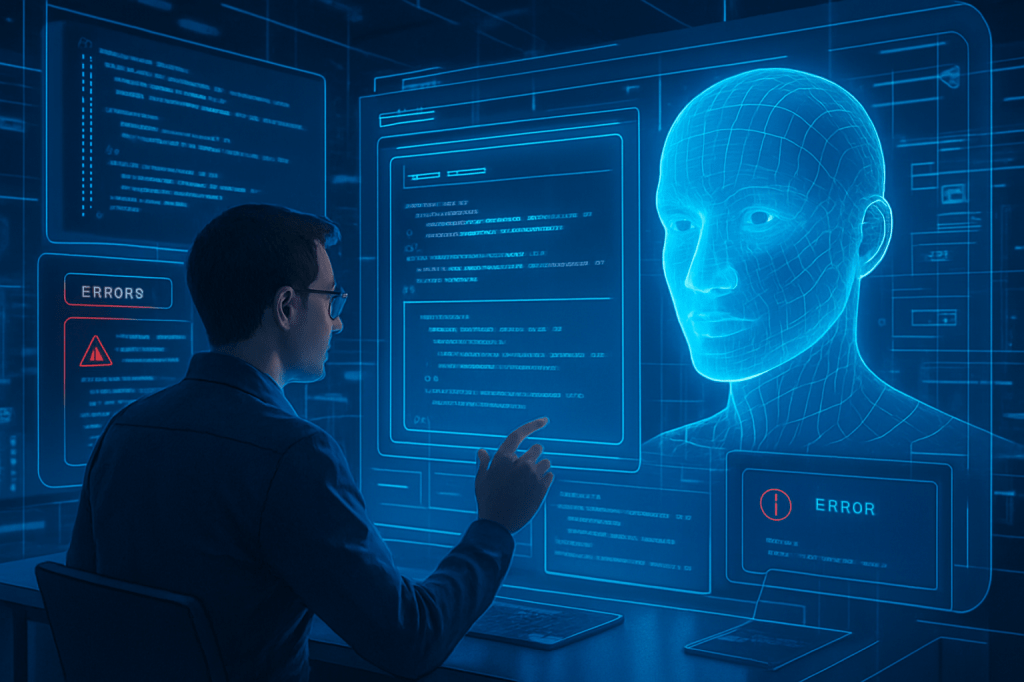
Yet, every silver lining has its cloud. While LLMs supercharge code production, they also unleash a torrent of potential errors. Debugging and error management become Herculean tasks, demanding new tools and methodologies. The narrative is shifting — from writing voluminous lines of code to mastering **the art of error visualization and management**.
Specialization: The New Gold Standard
As LLMs carve out their niche, the demand landscape is tilting towards specialized skills. Forget about the cogs in the traditional web development machine. The future belongs to those who can navigate the intricate realms of embedded systems and operating systems development. This isn’t just about knowing C, C++, or Rust; it’s about mastering them.
Moreover, **integration engineering and testing roles are set to soar**. In a world where LLMs churn out code faster than you can say “syntax error,” the spotlight is on those who ensure these fragments of brilliance fit seamlessly into larger systems. Reliability, security, and complexity management will reign supreme in this new world order.
Industry Trends: Leaner, Meaner, and More Skill-focused
The Hacker News insights resonate with broader industry currents. Tech companies are slashing middle management positions, striving for agility and efficiency. This restructuring isn’t just about trimming the fat; it’s about evolving into nimble entities ready to tackle the challenges of tomorrow.
Compounding this shift is the **elevation of skills over formal education**. The tech industry is wise to the fact that traditional degrees don’t always equate to job readiness. What matters now is practical, demonstrable skill — a trend that’s reshaping hiring practices across the board.
Adapting to the New Normal
So, what does this mean for tech professionals? Adaptability and continuous learning are no longer optional; they’re essential. As the industry pivots towards specialized skills and robust quality assurance, professionals must dive deep into technical complexities and embrace roles that prioritize system integration.
This isn’t just a shift; it’s a transformation. A transformation that demands we rethink career paths, evolve our skill sets, and prepare for a future where LLMs are allies, not adversaries. The Hacker News discussion doesn’t just predict the future — it challenges us to shape it.
