
Remember the Y2K scare? We prepped for digital Armageddon, only to wake up on January 1st, 2000, and… nothing much happened. This ILO report feels different. It’s not about a binary failure, but a slow, uneven erosion. This isn’t about if AI will impact jobs, but how unevenly that impact will be felt. And, critically, who will bear the brunt: women.
The UN’s International Labour Organization dropped a report yesterday, May 20, 2025, stating what many have suspected but lacked concrete data to prove: AI isn’t an equal-opportunity disruptor. It’s specifically targeting roles traditionally held by women, creating a new layer of complexity in the already fraught landscape of AI-driven job displacement.
The Numbers Don’t Lie (But They Do Reveal Biases)
The headline figure is stark: 9.6% of jobs predominantly done by women are likely to be transformed by AI, compared to just 3.5% of male-dominated roles. That’s almost a threefold difference. But “transformation” is doing a lot of heavy lifting in that sentence. The ILO isn’t necessarily predicting mass layoffs, but rather significant shifts in job duties, skill requirements, and ultimately, job security. The report underscores the vulnerability of administrative and clerical positions, functions where women are historically overrepresented. Think secretaries, administrative assistants, data entry clerks – the backbone of many offices, and prime targets for automation.
- 9.6% vs. 3.5%: The headline disparity in job transformation risk.
- Administrative & Clerical Roles: The primary source of the disparity.
- Transformation, Not Just Elimination: Roles will change, not necessarily vanish (but vanishing *is* still on the table).
Beyond the Obvious: Why This Matters
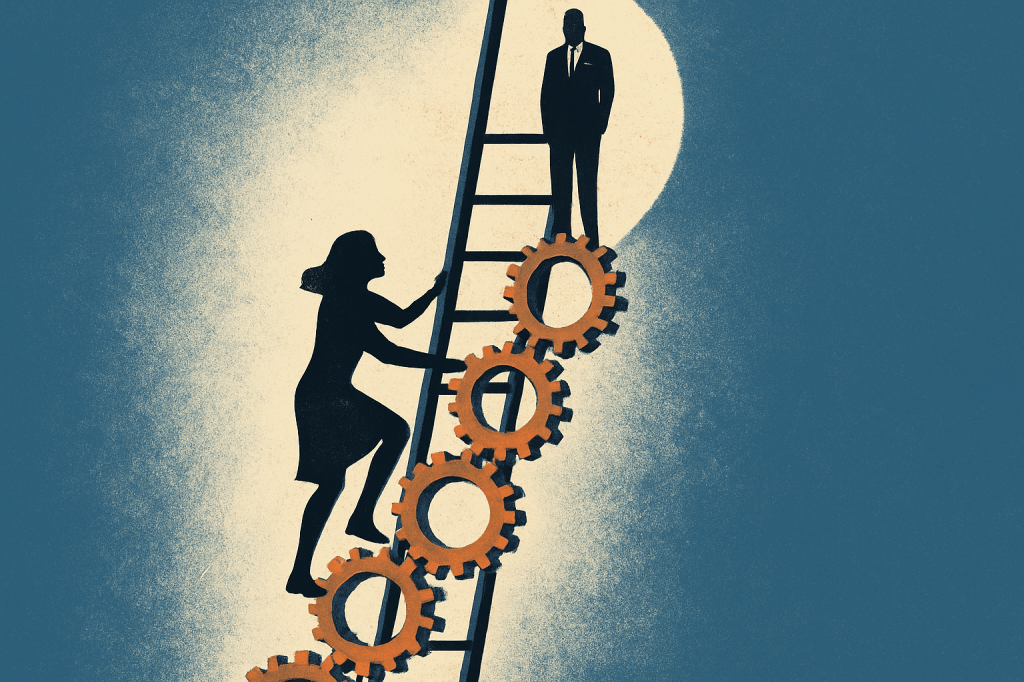
We’ve heard the warnings about automation eliminating jobs for years. But this report adds a crucial layer: systemic inequality. It’s not just about jobs disappearing; it’s about existing gender disparities being amplified by technology. Consider this: Women have fought hard to gain ground in the workforce, often overcoming barriers to entry and promotion. Now, AI threatens to disproportionately undermine those gains, potentially pushing women back into more precarious or lower-paying positions. It’s like trying to climb a ladder while someone keeps greasing the rungs.
And what about the industries undergoing “significant changes” – media, software, and finance? While the report doesn’t explicitly break down the gendered impact within those sectors, it’s reasonable to assume similar patterns will emerge. Are women in junior analyst roles in finance more susceptible to being replaced by AI-powered trading algorithms? Are female journalists focused on data entry and reporting at greater risk than their male counterparts in investigative reporting? The report doesn’t give an answer, but it’s hard to imagine that the answer is “no.”
The “Transformation” Trap: A Wolf in Sheep’s Clothing?
The ILO emphasizes “transformation” rather than outright elimination. Sounds positive, right? But what does transformation actually mean in practice? It often translates to increased workloads, demands for new technical skills (that may not be readily accessible or affordable to acquire), and a constant pressure to adapt. For women already juggling work-life balance, the added burden of continuous upskilling and adapting to rapidly changing job requirements could be unsustainable. It’s the equivalent of saying “We’re not firing you, we’re just making your job twice as hard with half the resources.”
The real question is: Who benefits from this “transformation”? Is it genuinely about improving productivity and job quality for everyone, or is it about squeezing more output from fewer (and possibly lower-paid) workers? The ILO optimistically suggests the former, but history suggests a healthy dose of skepticism is warranted.
The Call to Action: More Than Just Reskilling
The ILO calls for reskilling and upskilling initiatives. Absolutely necessary, but insufficient on their own. It’s not enough to simply train women in new technologies if the underlying biases that led to their overrepresentation in vulnerable roles aren’t addressed. We need systemic changes:
- Targeted Training Programs: Designed specifically for women in at-risk roles, with access to affordable childcare and flexible learning options.
- Gender-Neutral Hiring Practices: Actively combatting biases in recruitment and promotion, ensuring women have equal opportunities in emerging AI-related fields.
- Pay Equity: Addressing the gender pay gap, so women aren’t disproportionately affected by job losses or downgrades.
- Policy Interventions: Governments and labor organizations must actively promote gender equality in the evolving job market.
This ILO report isn’t just another data point in the ongoing AI debate. It’s a flashing red warning light, highlighting the potential for AI to exacerbate existing inequalities. Ignoring it would be a dereliction of duty, not just to women in the workforce, but to the principles of fairness and equality that underpin a just society. This isn’t just about economics; it’s about ensuring that the future of work is one where everyone has the opportunity to thrive, not just survive.
