
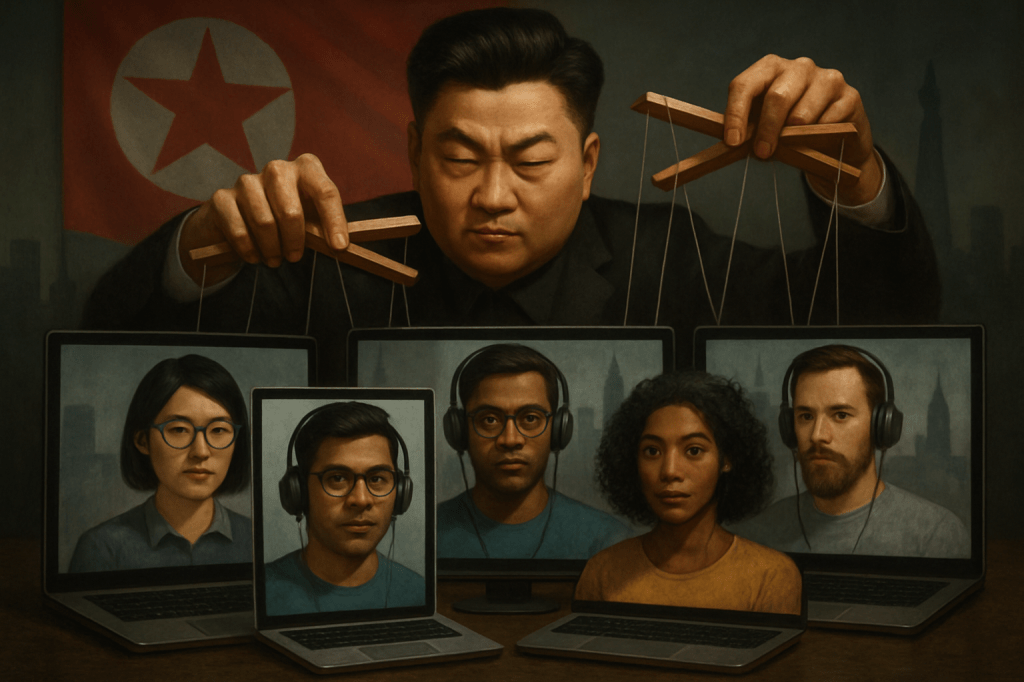
The familiar hum of AI’s transformative power typically evokes images of automation streamlining processes or algorithms making complex decisions. But a new intelligence briefing shifts that perception, revealing AI’s deployment in a far more unsettling capacity: active, state-sponsored economic infiltration through fraudulent remote employment.
The Invisible Workforce: North Korea’s AI-Augmented Operatives
A recent report from cybersecurity firm CrowdStrike has pulled back the curtain on a sophisticated, AI-driven scheme orchestrated by North Korean operatives. Between July 2024 and June 2025, over 320 confirmed cases emerged where these actors leveraged generative AI to secure remote tech jobs globally, funneling the illicit earnings directly into the nation’s weapons programs.
This isn’t merely about identity theft; it’s about the weaponization of AI to bypass traditional gatekeepers and exploit the very systems designed for efficiency and remote collaboration. The methods are chillingly effective:
- Synthetic Personas: Generative AI crafts convincing résumés and social media profiles, building a fabricated professional history that withstands initial scrutiny.
- Virtual Presence: AI tools simulate video call appearances, allowing operatives to “attend” interviews and team meetings without ever truly being present.
- Automated Execution: Once hired, AI continues to be their silent partner, assisting with coding, translation, and communication, enabling them to manage multiple full-time roles simultaneously with minimal human effort.
Beyond Displacement: The Authenticity Crisis in Remote Work
For those tracking the broader implications of AI, this development marks a significant escalation beyond mere job displacement. While we’ve debated AI’s capacity to automate tasks, the CrowdStrike report highlights its prowess in automating *deception* on an industrial scale. This raises profound questions for the future of work:
- Erosion of Trust: How do organizations verify the authenticity of a remote hire when every facet of their digital identity and even their live presence can be synthetically generated?
- Obsolete Safeguards: Traditional hiring processes—background checks, reference calls, video interviews—are demonstrably insufficient against AI-powered fabrication. What new verification paradigms are required?
- New Vectors of Economic Warfare: This isn’t just cybercrime; it’s a sophisticated form of economic subversion. Adversarial nations are using cutting-edge AI to directly fund illicit programs by infiltrating legitimate economic systems.
- The Unseen “Replacement”: While our blog often discusses AI replacing human roles, here we see AI enabling the replacement of legitimate candidates with fraudulent, state-sponsored actors. The jobs aren’t gone, but the integrity of who fills them is fundamentally compromised.
The Path Forward: Reimagining Verification in an AI-Native World
This revelation forces a critical re-evaluation of how we assess talent and secure our digital workspaces. The integrity of the remote work model, a cornerstone of post-pandemic flexibility, now faces an unprecedented challenge. Companies must move beyond surface-level digital footprints and consider integrating more robust, AI-resistant verification methods, perhaps leveraging biometrics, deeper behavioral analytics, or entirely new forms of identity attestation.
As AI continues its relentless advance, its dual nature becomes increasingly clear. It is a tool for unparalleled innovation, but also a potent enabler of sophisticated fraud and state-sponsored malfeasance. The fight for authentic digital identity and secure employment environments has just entered its most complex phase yet.
