When a Commencement Stage Pointed to the Jobsite
Pittsburgh knows how to turn heat into industry. On Saturday, the city’s old dialect—steel, smokestacks, rivets—briefly harmonized with a new one—GPUs, fabs, data centers—when Nvidia’s Jensen Huang stood before thousands of freshly minted Carnegie Mellon graduates and told them to run, not walk, toward artificial intelligence. But he didn’t just address the coders and the algorithm designers. He spoke to electricians, plumbers, ironworkers, technicians—to the people who wire, pour, weld, lift, calibrate and keep the power humming. “This is your time,” he said, recasting the story of AI’s job impact as a demand shock for skilled trades and a once‑in‑a‑generation chance to reindustrialize America.
In a season of anxious headlines about white‑collar displacement, Huang flipped the lens. The near‑term binding constraints on AI, he argued, are not only model architectures or chips, but the physical systems that host them: the buildings that cool them, the substations that feed them, the fabs that birth them. The claim landed with scale: he described the largest technology infrastructure buildout in human history, and recent coverage situated that rhetoric in an eye‑popping reality—Big Tech’s capital budgets this year are arcing toward the hundreds of billions to expand AI facilities. In other words, the servers won’t assemble themselves, nor will the megawatts, conduits and cooling loops simply appear. Before inference jobs proliferate, human jobs must.
Reassurance with Rebar
Commencement addresses tend to traffic in metaphor; this one trafficked in concrete. Huang’s message sounded less like a pep talk and more like a work order. For graduates weighing whether AI will make their first job redundant, he offered a different map: opportunity now clusters where the digital and the physical collide. The elevator pitch for a newly unsettled labor market is stark: software will automate portions of analysis, planning and paperwork, but the act of building the AI era—literally setting it in place—requires a surge of skilled hands. That shift rebalances the narrative from a white‑collar doom loop to a blue‑collar boom.
The implications cut deeper than simple job counts. If the scarce inputs to AI are megawatts, copper, land and time, then people who turn those inputs into capacity become price‑setters. Wage pressure moves to the trades, not because of policy fiat, but because physics and schedules leave little slack. And the graduates best positioned to thrive may not be those clamoring to prompt the next model, but those willing to wear a hard hat to a data‑center site at dawn, or to apprentice into high‑voltage work that keeps an inference cluster online at scale. In an era obsessed with tokens, the scarcest unit might be a licensed electrician.
Reindustrialization, If You Can Build It
“Reindustrialize America” is not just a rhetorical flourish; it’s a job description that collides with reality at the planning commission and the substation fence. Data‑center construction slowed last year under the weight of permits, zoning fights and power bottlenecks. Fabs bring their own hurdles: long lead times, exacting supply chains, and unforgiving tolerances. And project‑based trades employment can spike in one zip code and vanish in the next. The promise Huang dangled—durable jobs from the AI buildout—will live or die on execution details that are more prosaic than poetic: transformer backlogs, grid upgrades, water sourcing, talent pipelines, safety culture. The runway is there; whether the plane lifts depends on coordination among utilities, municipalities, unions, contractors and the hyperscalers opening their wallets.
There’s also a geographic story brewing. If compute wants cheap, reliable power and permissive industrial footprints, the map of AI prosperity tilts toward places with space to build and grids that can grow. That does not doom coastal hubs, but it does give an edge to regions that blend engineering schools with switchyards and rail spurs. For communities that have watched factories close, the idea that the next great software wave needs their substations is more than symbolism—it’s leverage.
The Hybrid Worker Becomes the New Senior Engineer
The categories themselves are shifting. A “tradesperson” in the AI era is increasingly a hybrid: an industrial electrician who speaks SCADA and safety, a controls technician who scripts diagnostics, a mechanical contractor fluent in both fluid dynamics and sensor telemetry, a site superintendent who can read a single‑line diagram as easily as a Gantt chart. The best résumés won’t segregate code and calluses; they’ll combine them. Community colleges, apprenticeship programs and union halls that fold AI‑literate tooling into their curricula will mint some of the most valuable workers in the economy—and do so faster than four‑year pathways that still imagine “tech” as an office park with snacks.
For white‑collar workers staring down automation, this is not an exile; it’s a chance to tack. Reliability engineering, supply‑chain operations for hyperscale builds, energy‑market analytics, commissioning and maintenance planning—these are high‑judgment roles that expand as the physical footprint grows. If the old prestige hierarchy put abstract code at the top and field work at the bottom, the AI buildout is flattening that pyramid. Value accrues where downtime is expensive and mistakes propagate through megawatts, not memos.
Risks Worth Naming, Bets Worth Making
None of this erases the cyclicality of capital spending or the brittleness of big promises. When money floods into a sector, it can just as easily recede. Trades booms tethered to marquee projects sometimes leave hollowed‑out calendars once the ribbon is cut. And every month lost to permitting or interconnection delays erodes the momentum Huang is urging graduates to seize. But precisely because the limits are so material, the levers are visible. Streamlined siting without shoddy oversight, faster interconnect queues without compromising grid stability, immigration channels that welcome experienced tradespeople, scholarships that prioritize licensure, safety investments that make speed sustainable—these are practical steps that turn a speech into headcount.
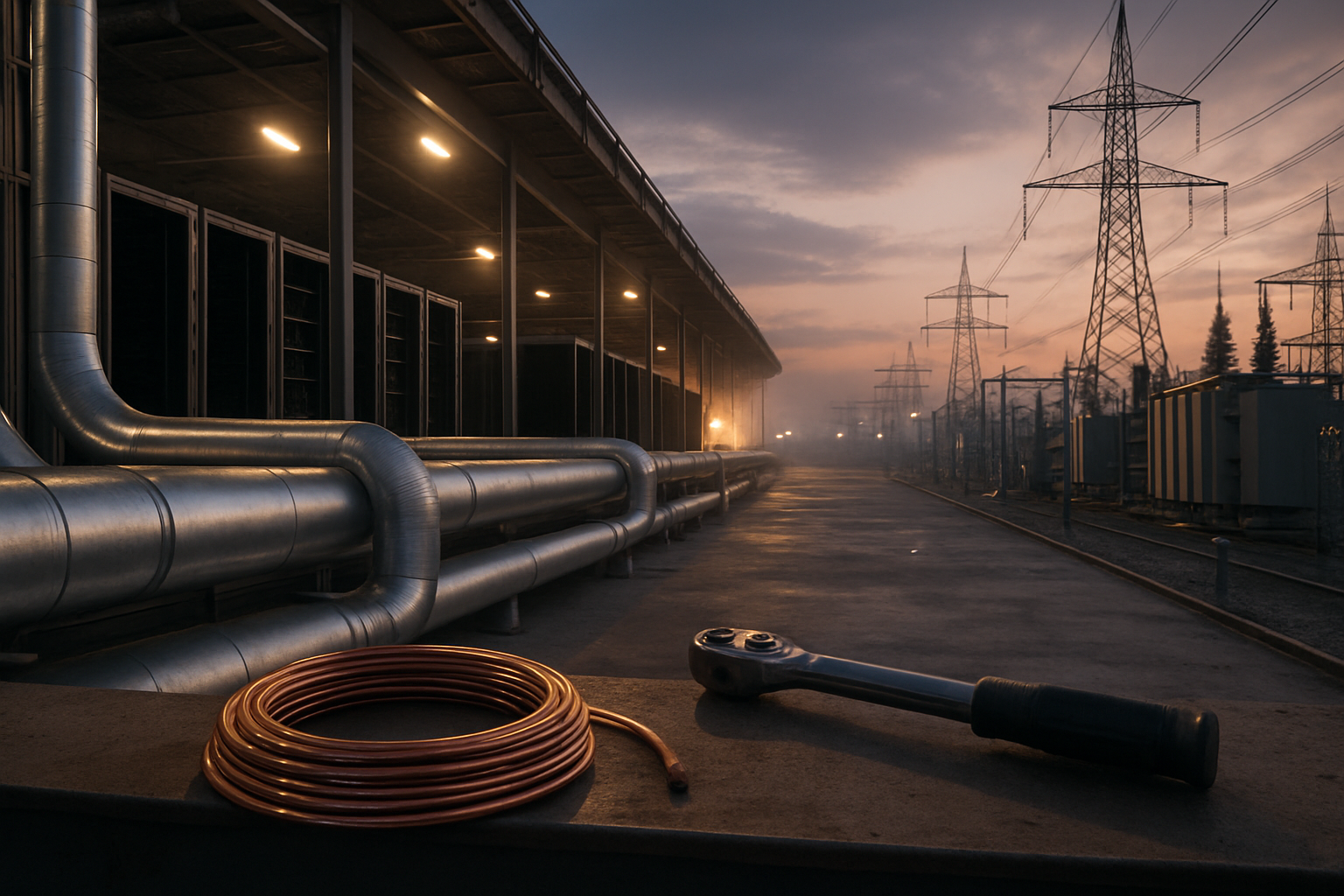
There’s a final inversion worth noting. For a decade, AI has promised to virtualize the world. Yesterday, on a stage in a city that once defined American industry, the message was that the virtual cannot scale without the visceral. The most advanced neural networks in history now hinge on trench depth, wire gauge and the torque on a bolt. If you’re tracking where AI will replace you, Jensen Huang just offered an answer with an unexpected moral: in the near term, the machine age needs more people who can build the machine rooms.
So yes, run—toward the training center, the apprenticeship, the certifications, the site trailer, the municipal hearing that decides whether a substation gets its easement. The commencement robe comes off quickly. The work boots last longer.