Reporting archive
Evidence on AI and work
-
51% like AI at work, 58% fear five-year losses
Workers welcome AI for tasks but brace for job cuts, reshaping how companies deploy tools and how policymakers sell reskilling.
-
Nvidia earnings week reframes job cuts as job edits
Jensen Huang’s understated verdict—roles get rewritten, not erased—just handed boards a near-term playbook to capture productivity, redeploy talent, and normalize AI-augmented baselines.
-

Young developers down 20 percent as White House rides AI
The White House just said the quiet part out loud: AI is pausing entry-level hiring while Washington floors the accelerator on compute.
-

Mark Warner warns 25% jobless rate for new graduates within three years
Sen. Mark Warner just put a 25% unemployment clock on new grads—and a plan to expose AI-driven entry-level erosion before it scars a cohort.
-
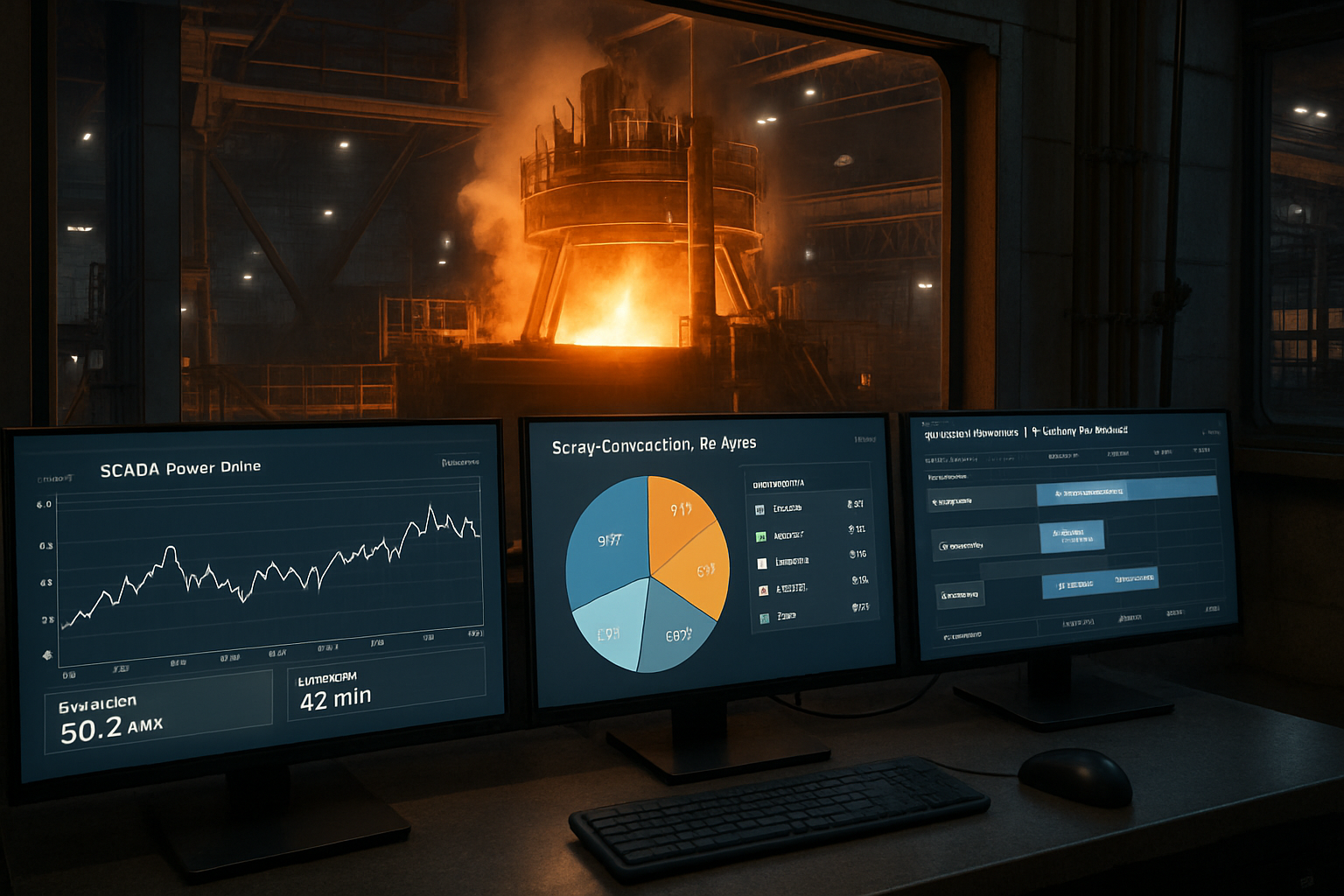
British Steel pairs electric arc furnaces with verifiable AI reskilling
Britain just turned Scunthorpe’s new furnace into a test of whether the state can orchestrate AI-driven reskilling as tightly as it funds steel.
-

Google’s $40 billion bet turns Texas grid into employer
Google’s $40B Texas bet moves AI work from code to kilowatts, swapping swag for hard hats and turning the grid into a hiring engine.
-

Layoffs are now Wall Street’s AI proof of work
In 2025, AI-tagged layoffs have become the new signal of managerial courage—and the market is rewarding the companies that show it.
-
MAS pairs risk rules with an AI jobs blueprint
Singapore just fused AI governance with a workforce plan, turning compliance into a hiring roadmap for finance.
-

Leanest holiday hiring since 2009 as AI absorbs demand
This holiday, retailers aim for trillion-dollar sales while making the leanest seasonal hires since 2009—because the first wave of temps now lives in software.
-

Gartner maps 2028–2029 jobs chaos, 32 million jobs reshaped
Gartner didn’t predict a jobs apocalypse—it issued the renovation plan, with 2028–2029 as the hinge and work design as the budget line.