Reporting archive
Evidence on AI and work
-

When AI Raises Productivity but Lowers Paychecks: The Silent Revolt of the ‘Survivors’
As AI reshapes the workforce, the real battle isn’t job loss—it’s the fight over fair pay and the value of human labor in an automated world.
-

When AI Closes the Door on Entry-Level Jobs, Who Climbs the Ladder?
Anthropic’s CEO warns that AI could wipe out half of entry-level white-collar jobs within five years, threatening the very start of many careers.
-
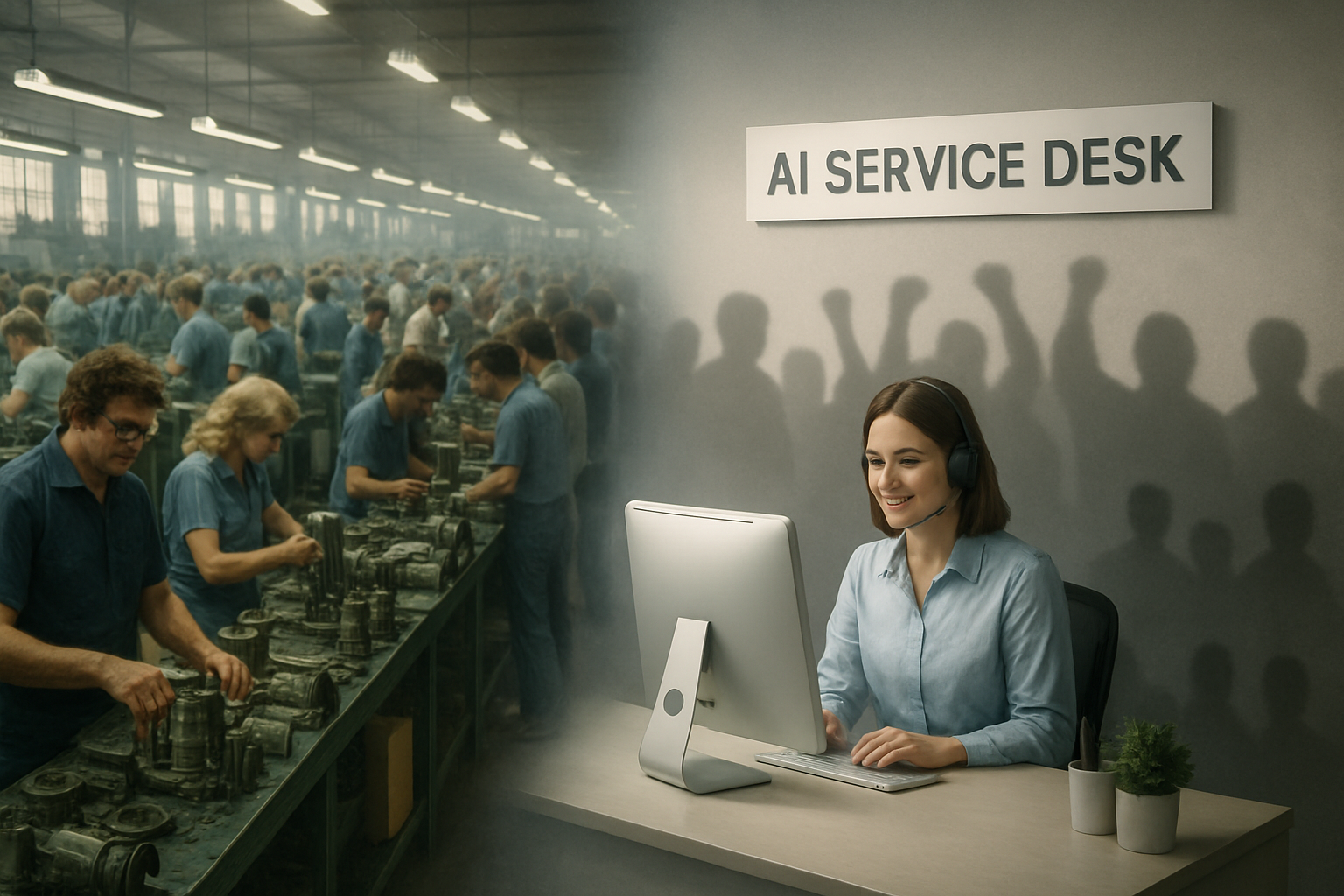
When AI Echoes the 90s: Productivity Gains or a Recipe for Social Fracture?
The AI revolution might be repeating the 1995 IT boom’s hidden cost: displaced workers trapped in low-value jobs, fueling inequality and social unrest.
-
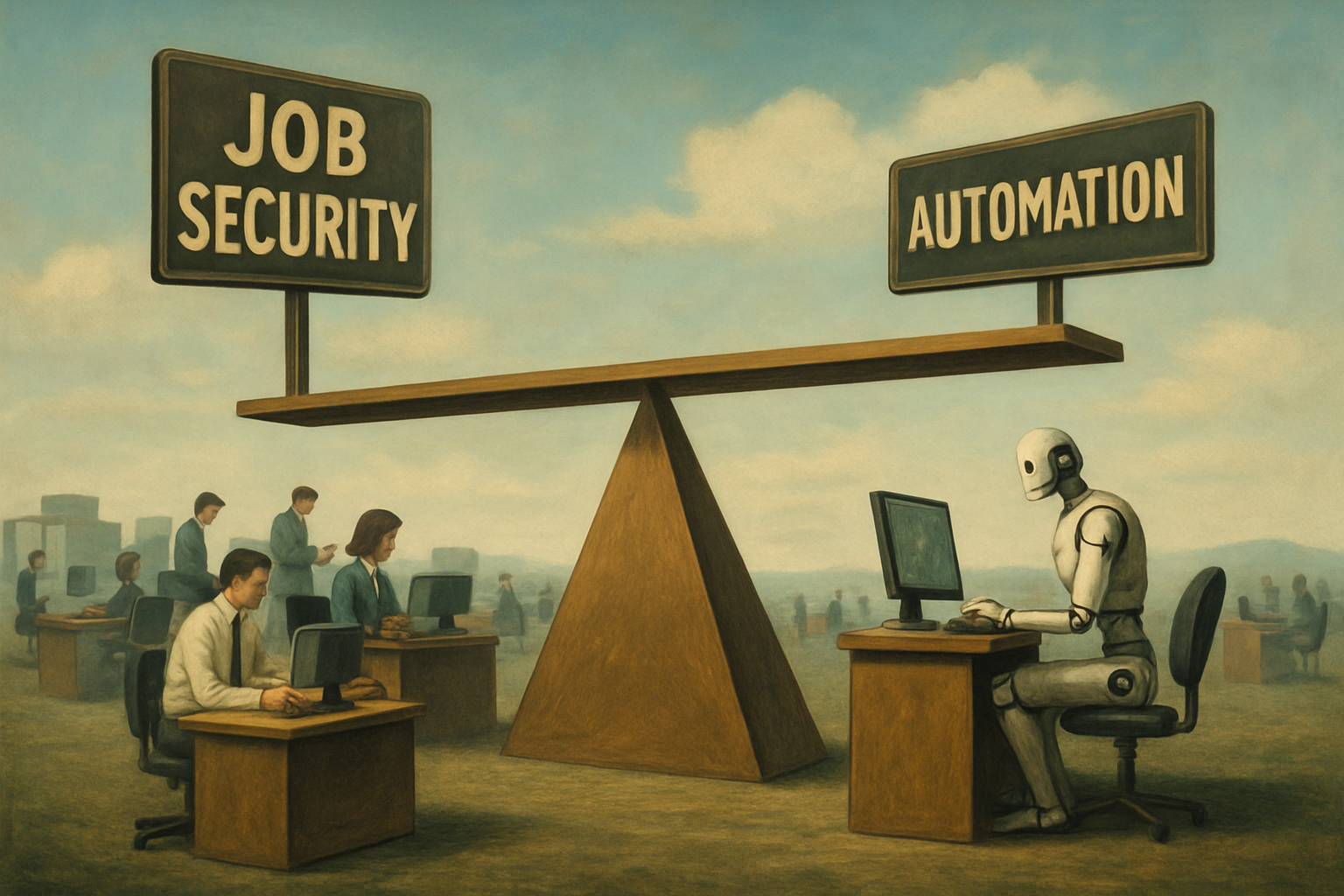
When AI Meets the Layoff Ledger: A Job Market in Flux
As AI reshapes the job market, the debate intensifies over its impact on employment and the future of work.
-
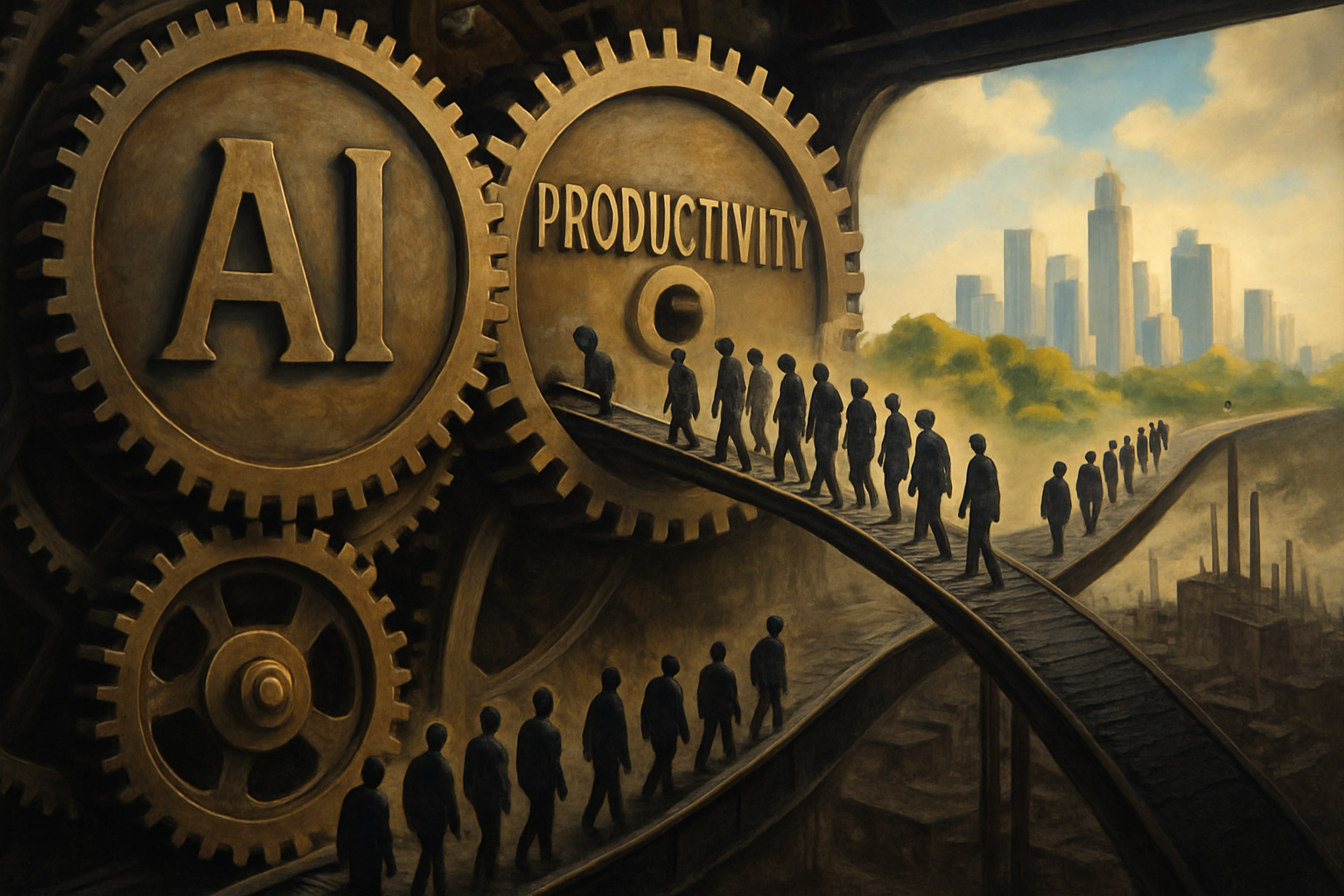
When AI Echoes the Dot-Com Bust: Productivity Gains or Inequality Traps?
Revisiting the 1995-2005 IT boom reveals unsettling parallels that warn AI’s productivity surge might deepen inequality unless guided by smart policies.
-

India’s AI Hiring Frenzy: When Robots Create Jobs Faster Than They Replace Them
India’s booming AI job market flips the script, showing that AI isn’t just replacing jobs—it’s creating a hiring surge focused on new, practical skills.
-

When AI Plays Chess with White-Collar Jobs: Checkmate or Check-Up?
The IMF warns that 60% of US jobs face AI-driven transformation, with white-collar roles unexpectedly in the crosshairs.
-

AI’s Unequal Algorithm: How the Global South Is Losing the Automation Race
The UN reveals AI isn’t a universal boon—it’s deepening economic divides by disproportionately displacing jobs in developing countries.
-

AI’s Double-Edged Scalpel: Carving Out Winners and Casualties in the Workforce
Financial Times reveals how AI is not just reshaping jobs but slicing the workforce into distinct winners and losers in a rapidly bifurcating economy.
-
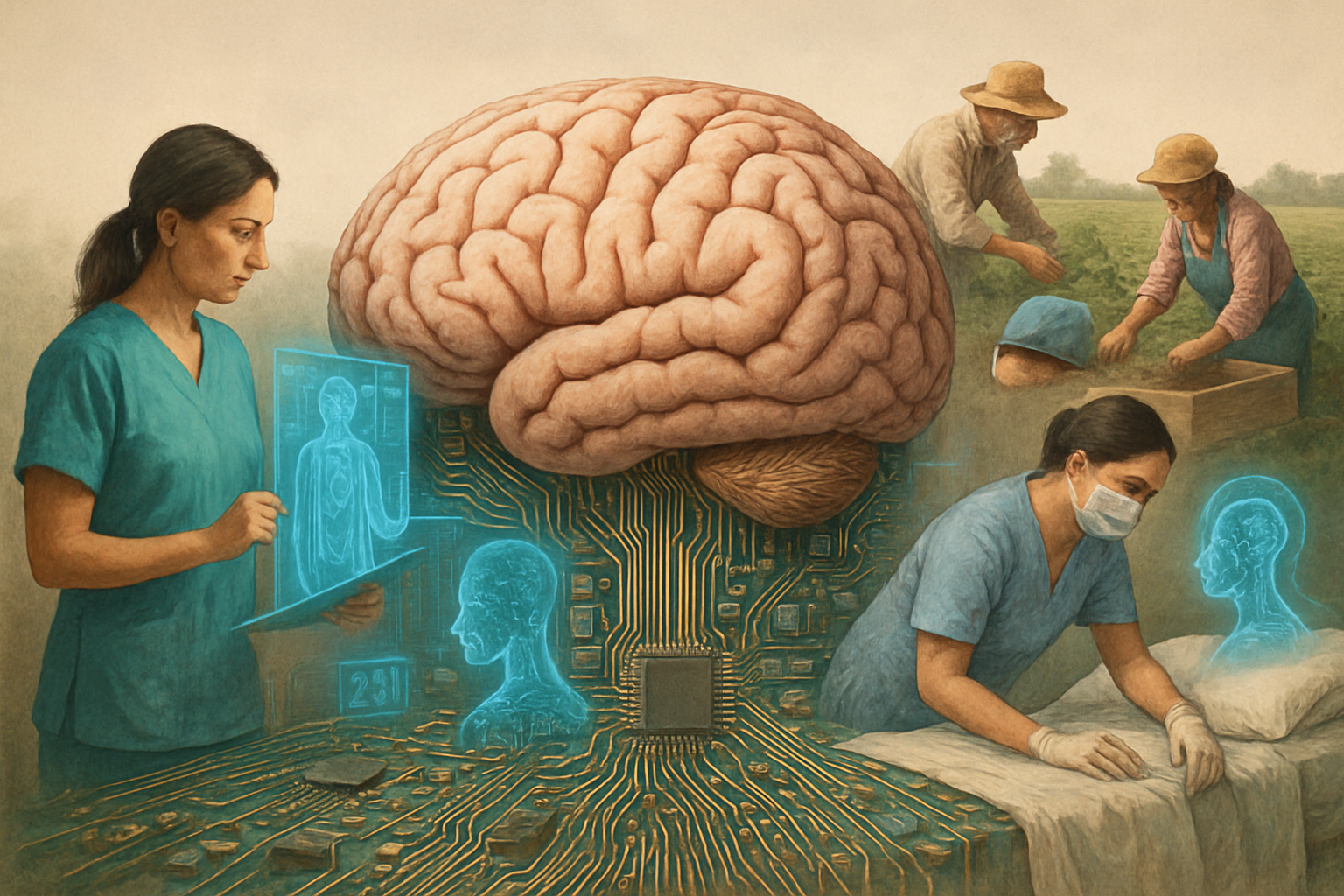
AI’s Job Market Remix: More Roles, Less Routine, and a Call for Human Upgrades
The World Economic Forum predicts AI will create 78 million net new jobs by 2030, reshaping work through augmentation and demanding continuous human upskilling.