Reporting archive
Evidence on AI and work
-
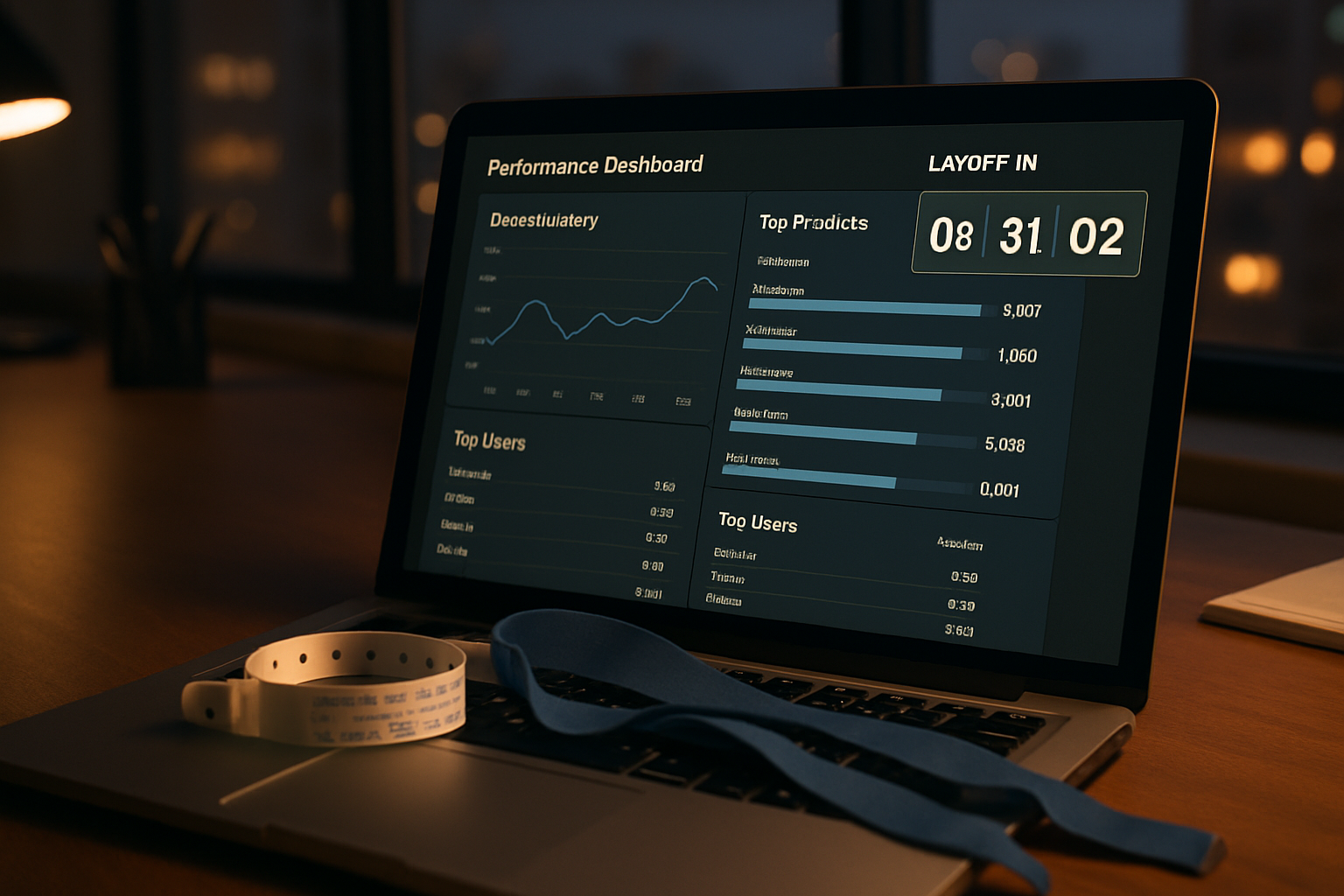
Twenty-six Meta workers say Metamate punished protected leave
A lawsuit claims Meta’s AI-tilted dashboards turned protected leave into “low output,” and a judge may pause July 22 layoffs to test whether those metrics crossed civil-rights lines.
-
Sixteen Nobels and ADP canaries signal a faster jobs clock
Hundreds of economists and tech leaders just issued a minimalist ultimatum: build institutions that make AI complement workers—fast.
-

Postmortems, not pull requests, now define engineering value
Software work has quietly shifted from typing to triage—engineers now edit, verify, and negotiate the risk of machine-written code, even organizing to win time to say no.
-

Apprenticeships without scut work push juniors to supervise machines
AI didn’t steal the job; it torched the on‑ramp, shoving juniors straight into supervising models and owning the call.
-
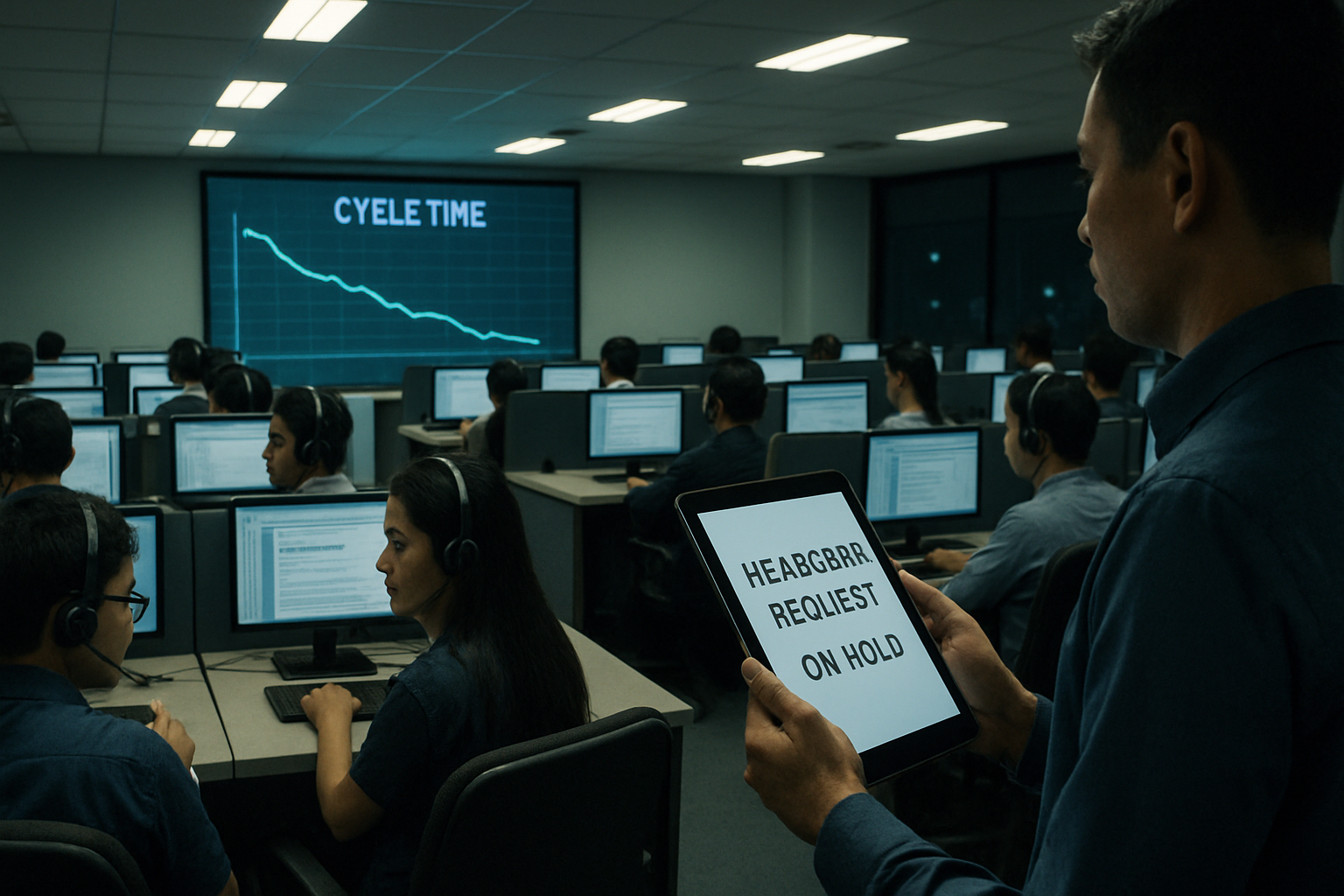
ILO counts 80 million exposed in ASEAN, layoffs still elusive
AI is speeding the work without shrinking the teams—across ASEAN, 80 million workers are touched as tasks are rebuilt and career ladders re-cut.
-

CFOs unlock AI growth by putting it on the P&L
The difference between AI that prints value and AI that hollows teams isn’t compute—it’s who owns the decisions and how you price the humans in the loop.
-

Allianz Partners ties 1,500–1,800 job cuts to AI
Allianz Partners dropped the euphemisms and quantified it: AI now does the triage, translation, and routine claims—so 1,500–1,800 European roles are going.
-
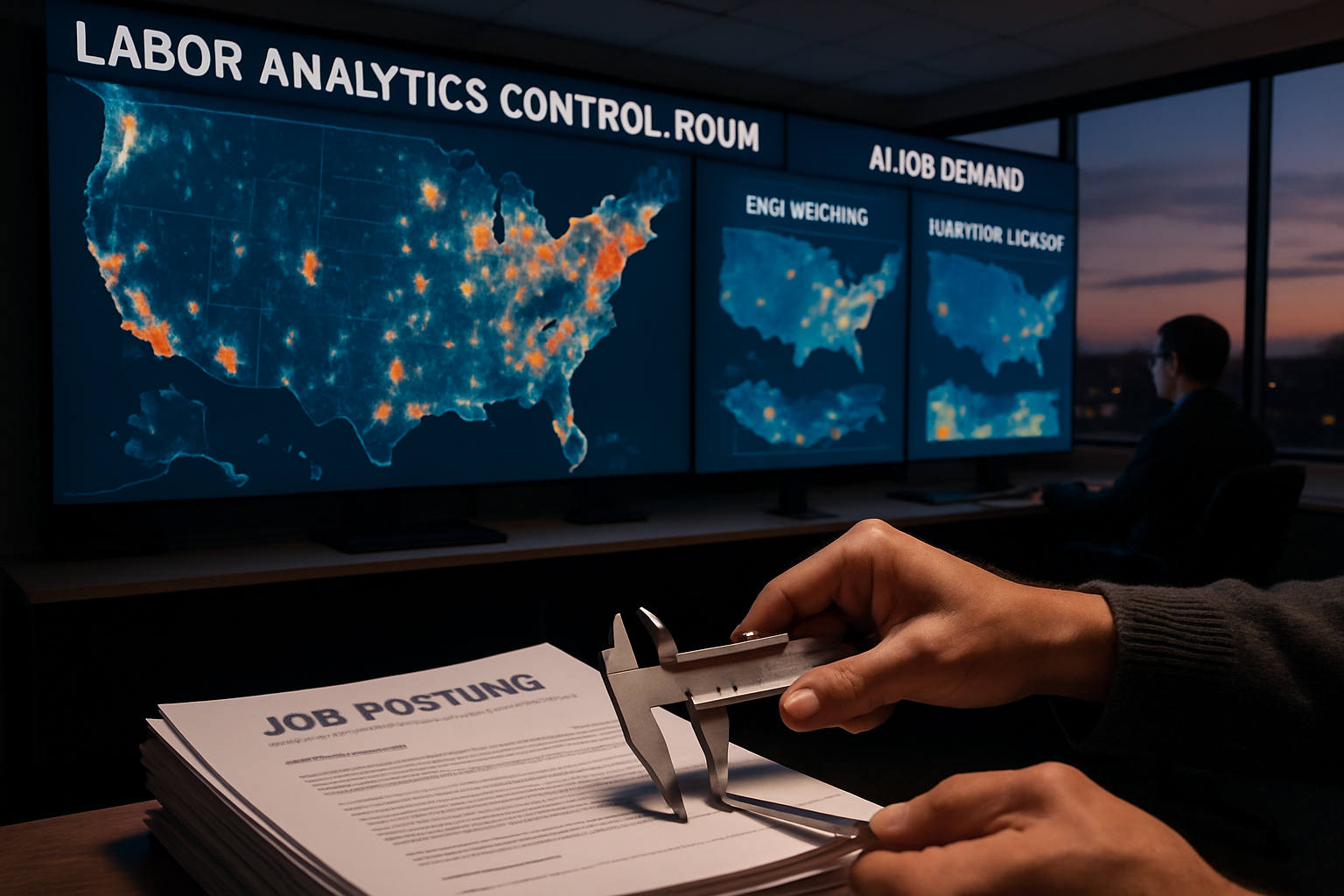
LinkedIn and Indeed data power OECD’s two-tier skill map
OECD’s Employment Outlook swaps prophecy for proof, using real-time postings to chart a two-tier AI skill demand while showing productivity climbing in digital cores without a hiring boom—yet.
-

Microsoft shifts spend to data centers and GPUs, cuts 4,800 roles
Budgets, not bots, are rewriting Microsoft: Xbox is being flattened and partially offloaded while headcount and spend pivot to data centers and enterprise AI.
-

MTurk sign-ups end July 30 as work shifts to SageMaker Ground Truth
As MTurk stops taking new customers, the open crowd gives way to audited, badge-access labor—and the on-ramp to digital work narrows.