Reporting archive
Evidence on AI and work
-

AI’s Job Cuts: When the Innovators Become the Involuntary Innovated
The Department of Labor reveals over 10,000 American jobs lost to AI in just seven months, spotlighting a new era of direct workforce disruption.
-

When AI Makes Birth Rates Obsolete: The Central Bankers’ New Nightmare
Forget demographics—AI’s rise is rewriting the rules of labor and inflation, leaving central banks scrambling for answers.
-

When AI Plays Favorites: Why Young Pros Are the First to Lose in the Automation Game
Stanford’s latest study reveals that generative AI is quietly eroding early-career jobs while boosting opportunities for seasoned professionals, challenging the myth of youthful adaptability.
-

When AI Closes the Door: The Graduate Job Market’s Silent Revolution
UK graduates face a disappearing entry-level job market as AI reshapes hiring, leaving many qualified candidates stranded in a new era of opportunity scarcity.
-

The Hidden Cost of AI: When Upskilling Becomes the Unpaid Overtime of the Future
AI’s promise of productivity is shadowed by the unpaid, relentless demand for workers to master new skills, threatening both careers and corporate profits.
-
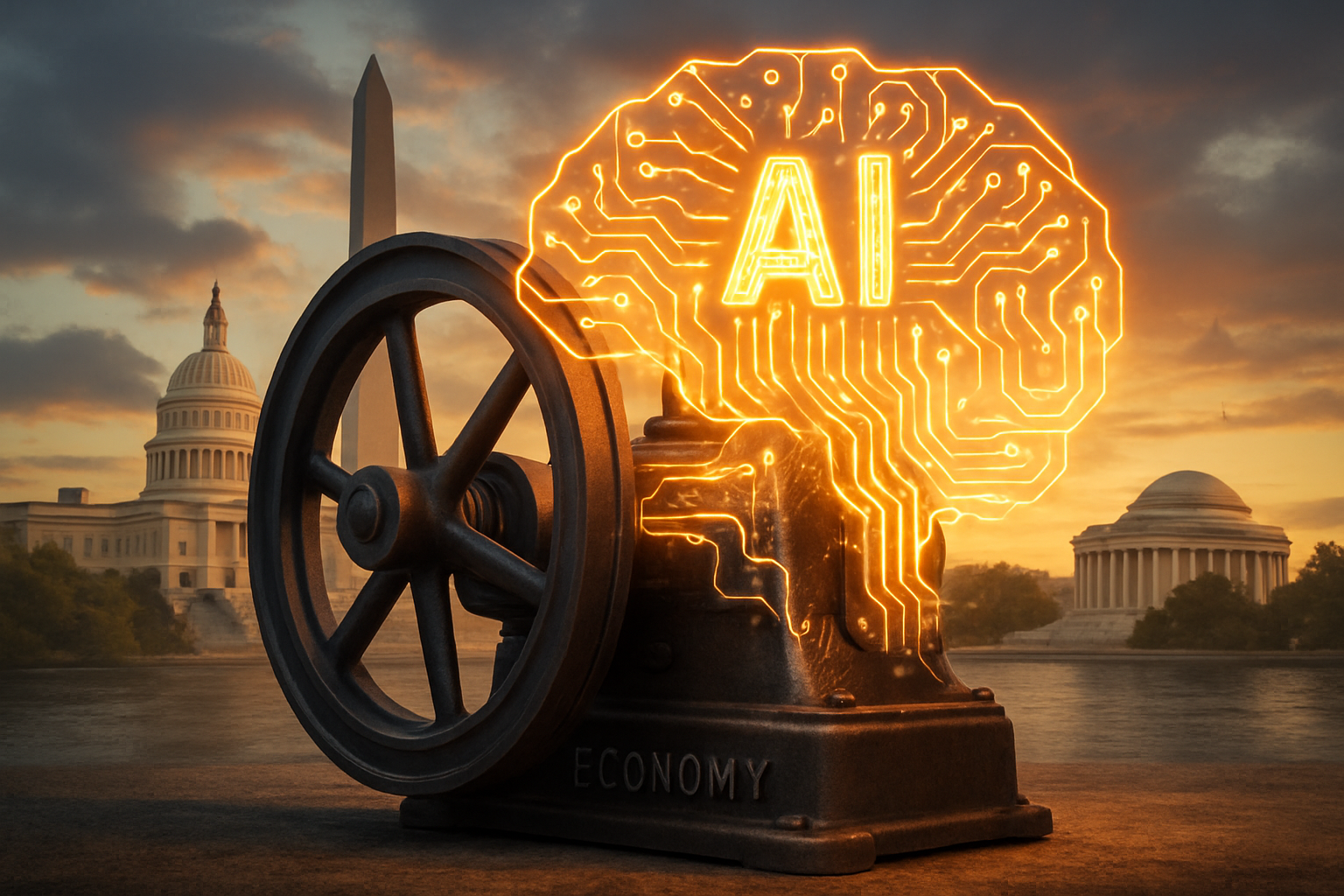
When Treasury Calls Out the Fed: Is AI the Next Economic Wildcard They’re Missing?
U.S. Treasury Secretary Scott Bessent challenges the Federal Reserve’s cautious stance on AI, warning of a potential repeat of the internet-era misjudgment that could reshape monetary policy and economic growth.
-

When AI Buys the Company: The Quiet Takeover Rewiring Service Giants
General Catalyst’s ‘AI roll-up’ strategy is quietly re-engineering legacy service businesses from within, signaling a disruptive shift in AI’s real-world impact.
-

AI’s Silent Swipe: How Entry-Level Jobs Became the First Casualties in the Talent War
New Stanford data reveals AI is quietly eroding entry-level jobs, threatening the future talent pipeline and reshaping career beginnings.
-

When AI Outpaces Education: The Race No One Signed Up For
AI is not just replacing jobs; it’s rewriting the rules of work faster than our education systems can keep up.
-

When Tech Innovators Become AI’s First Casualties: The Job Market’s New Reality Check
AI’s job-cut tally in the US has crossed 10,000 in just seven months, signaling a shift from augmentation to outright replacement in the workforce.