Reporting archive
Evidence on AI and work
-

Meta AI-layoff lawsuit survives initial bid to block July 22 cuts
A U.S. judge declined emergency relief in Meta’s AI-layoff lawsuit, leaving the July 22 layoff timeline in place.
-

Labor’s draft platform puts workplace AI consultation on the conference agenda
Australia’s Labor Party draft platform proposes meaningful worker consultation and employer transparency around workplace AI and automation.
-

State Street links AI transformation to net headcount decline forecast and $1 billion target
State Street expects its technology- and AI-enabled transformation to deliver about $1 billion in annual run-rate benefits by 2029 and said net headcount would be down in the “low single digits range” after reinvestment.
-

Cognizant targets 1,500 U.S. graduate hires by the end of 2026
Cognizant’s plan targets 1,500 U.S. college-graduate hires by the end of 2026 across its core business, Belcan and the new Frontier Engineers program.
-

JPMorgan says AI cut jobs 30% to 40% in some “discrete areas”
Jamie Dimon said JPMorgan reduced jobs by 30% or 40% in unspecified “discrete areas” while pursuing AI-enabled efficiency.
-
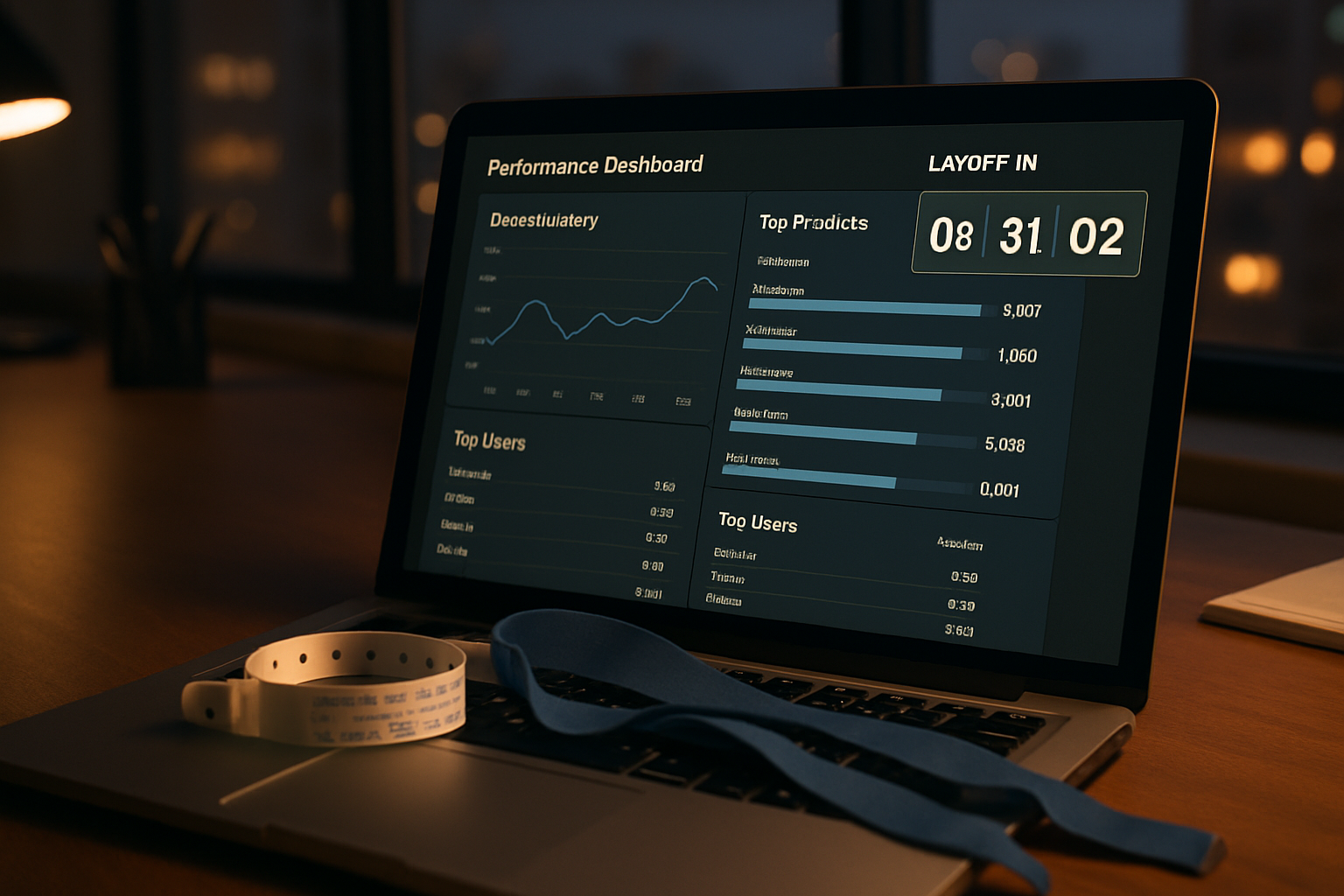
Twenty-six Meta workers say Metamate punished protected leave
A lawsuit claims Meta’s AI-tilted dashboards turned protected leave into “low output,” and a judge may pause July 22 layoffs to test whether those metrics crossed civil-rights lines.
-
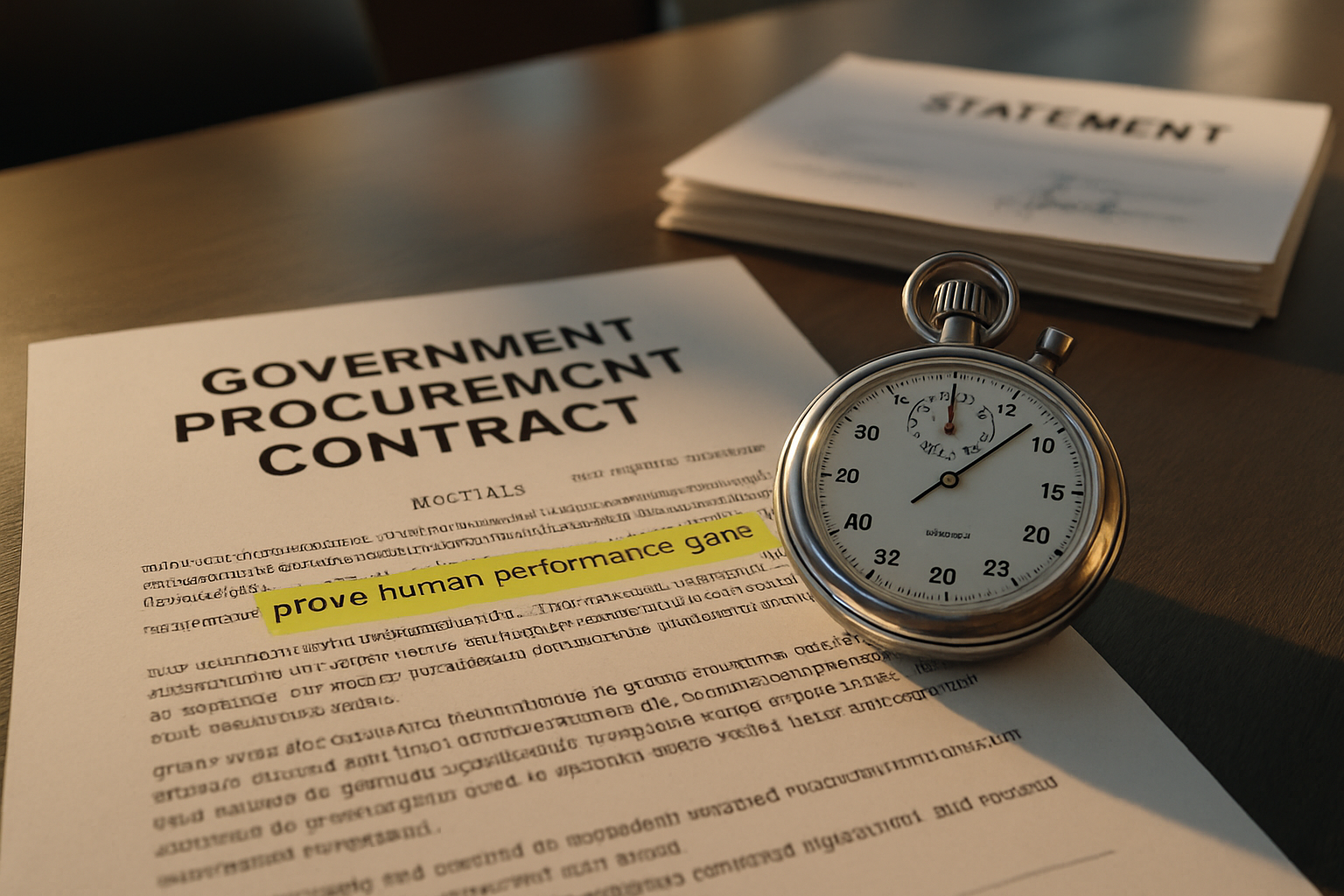
Sixteen Nobels and ADP canaries signal a faster jobs clock
Hundreds of economists and tech leaders just issued a minimalist ultimatum: build institutions that make AI complement workers—fast.
-

Postmortems, not pull requests, now define engineering value
Software work has quietly shifted from typing to triage—engineers now edit, verify, and negotiate the risk of machine-written code, even organizing to win time to say no.
-

Apprenticeships without scut work push juniors to supervise machines
AI didn’t steal the job; it torched the on‑ramp, shoving juniors straight into supervising models and owning the call.
-
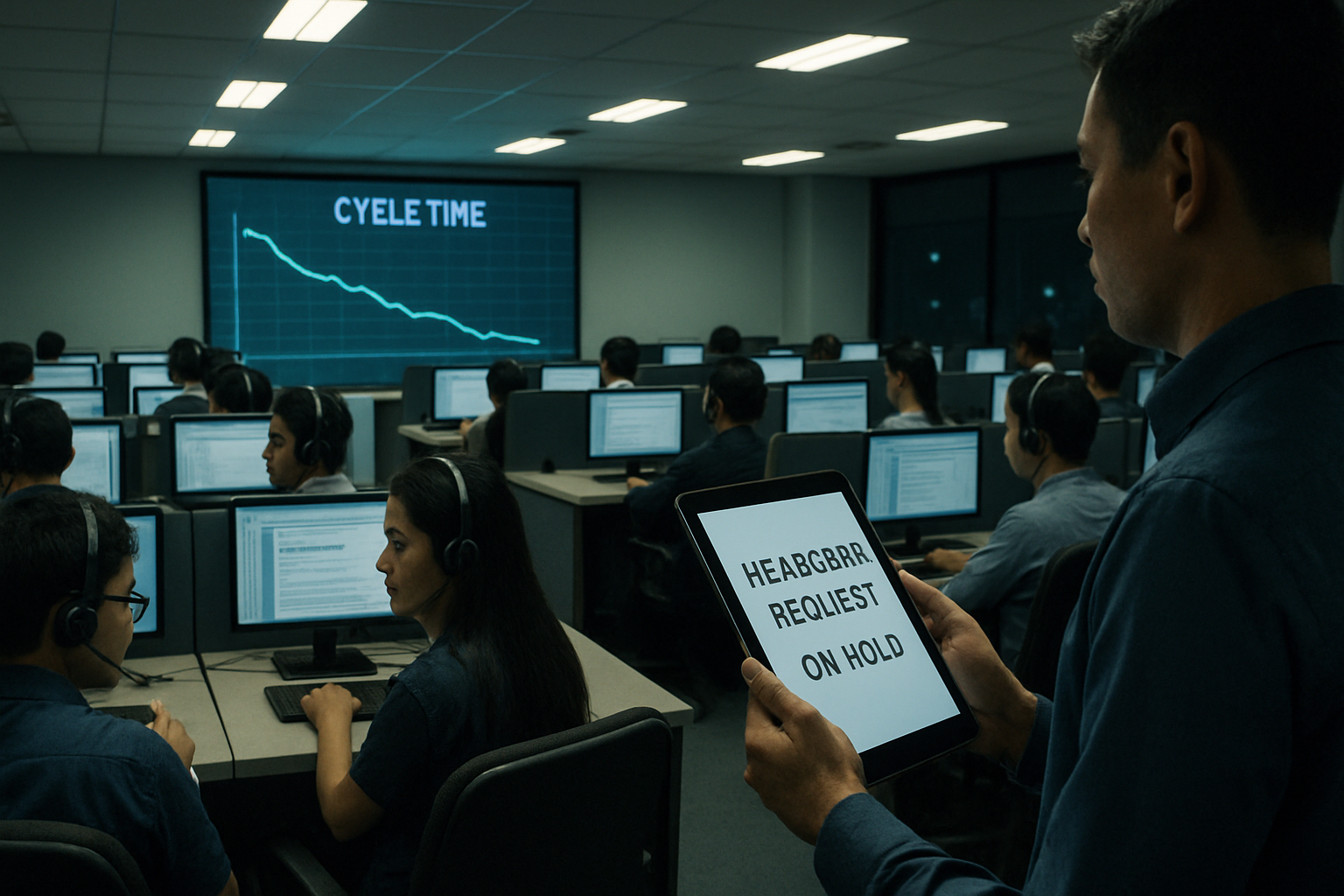
ILO counts 80 million exposed in ASEAN, layoffs still elusive
AI is speeding the work without shrinking the teams—across ASEAN, 80 million workers are touched as tasks are rebuilt and career ladders re-cut.