Reporting archive
Evidence on AI and work
-

Cloudflare’s 1,100 cuts preview agentic AI’s second wave
At Cannes, Cloudflare’s CEO turned AI from talking point to six‑to‑twelve‑month ultimatum: rewire around agents now or strand your people in a synchronized second wave.
-

Oracle’s 10-K ties 21,000 layoffs to internal AI
Oracle’s 10‑K says the quiet part: internal AI is cutting 21,000 jobs as billions shift from salaries to substations and server racks.
-
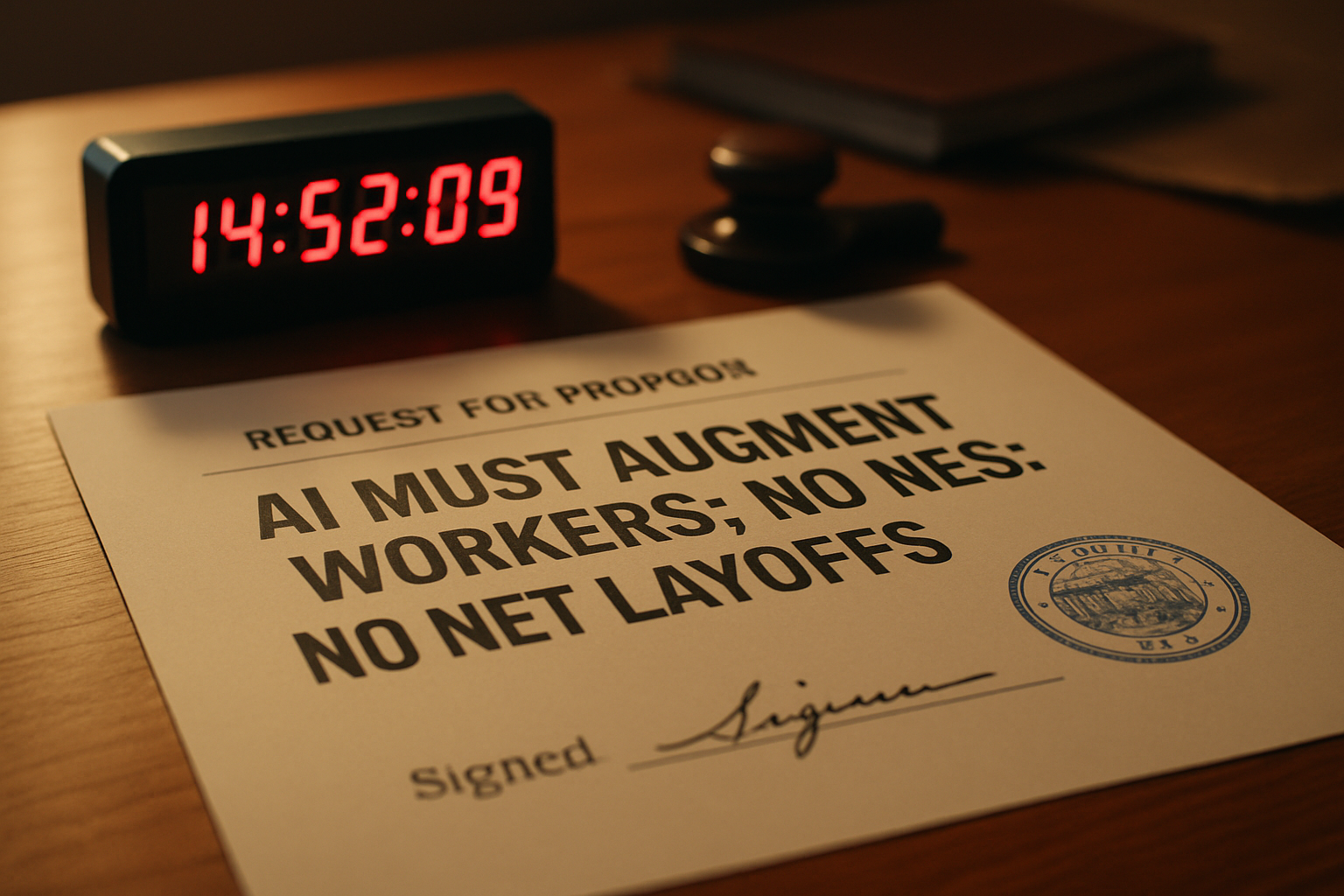
Brookings blueprint turns procurement into pro-worker AI policy
Brookings just swapped jobs-apocalypse vibes for a four-gear playbook that lets leaders steer, buffer, and tax AI toward augmentation—starting with procurement.
-
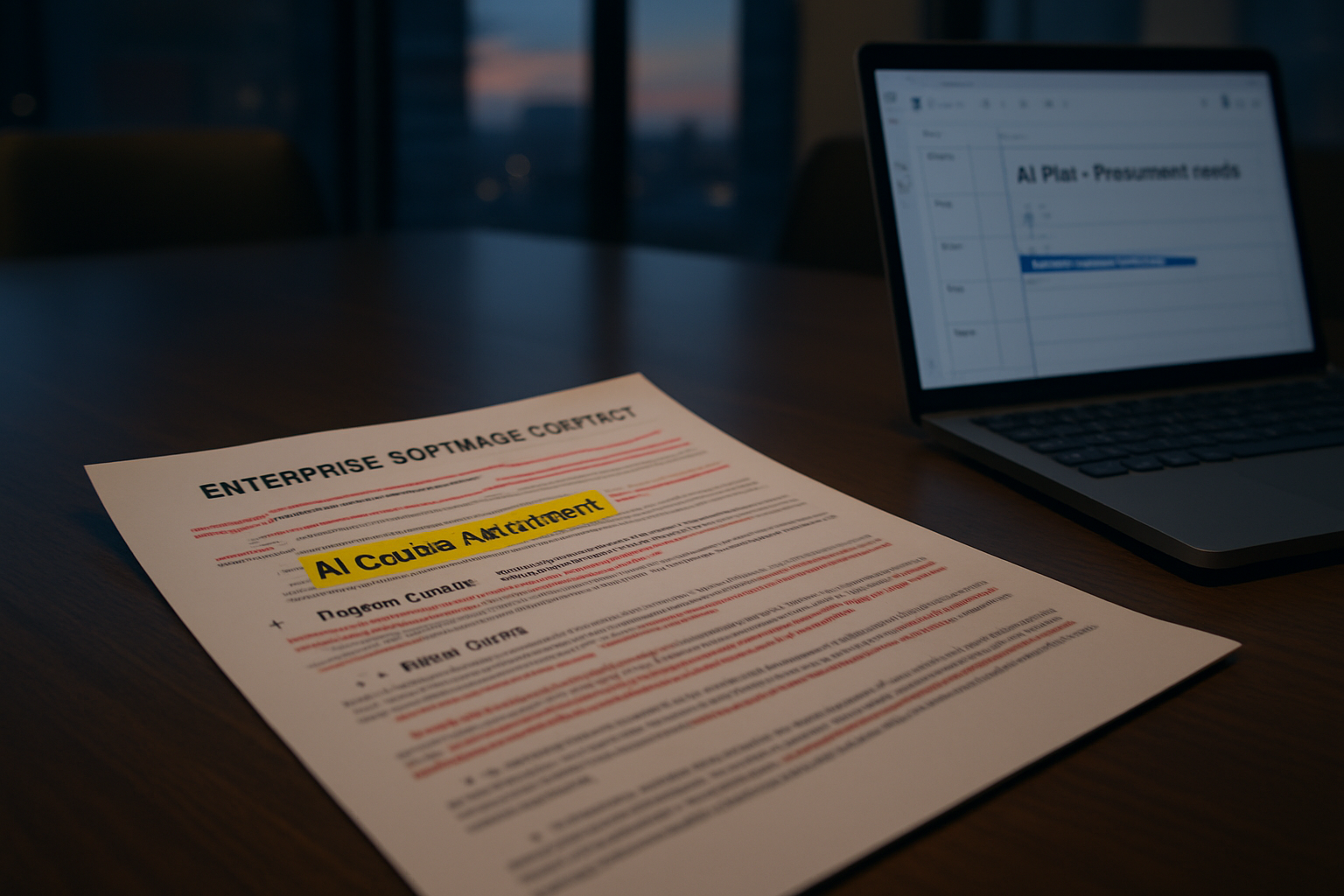
The next AI jobs story lives in RFP attachments
Yesterday’s non-story is the tell: AI’s impact on jobs is being written in attachments, addenda, and RFPs while headlines recycle a poll.
-
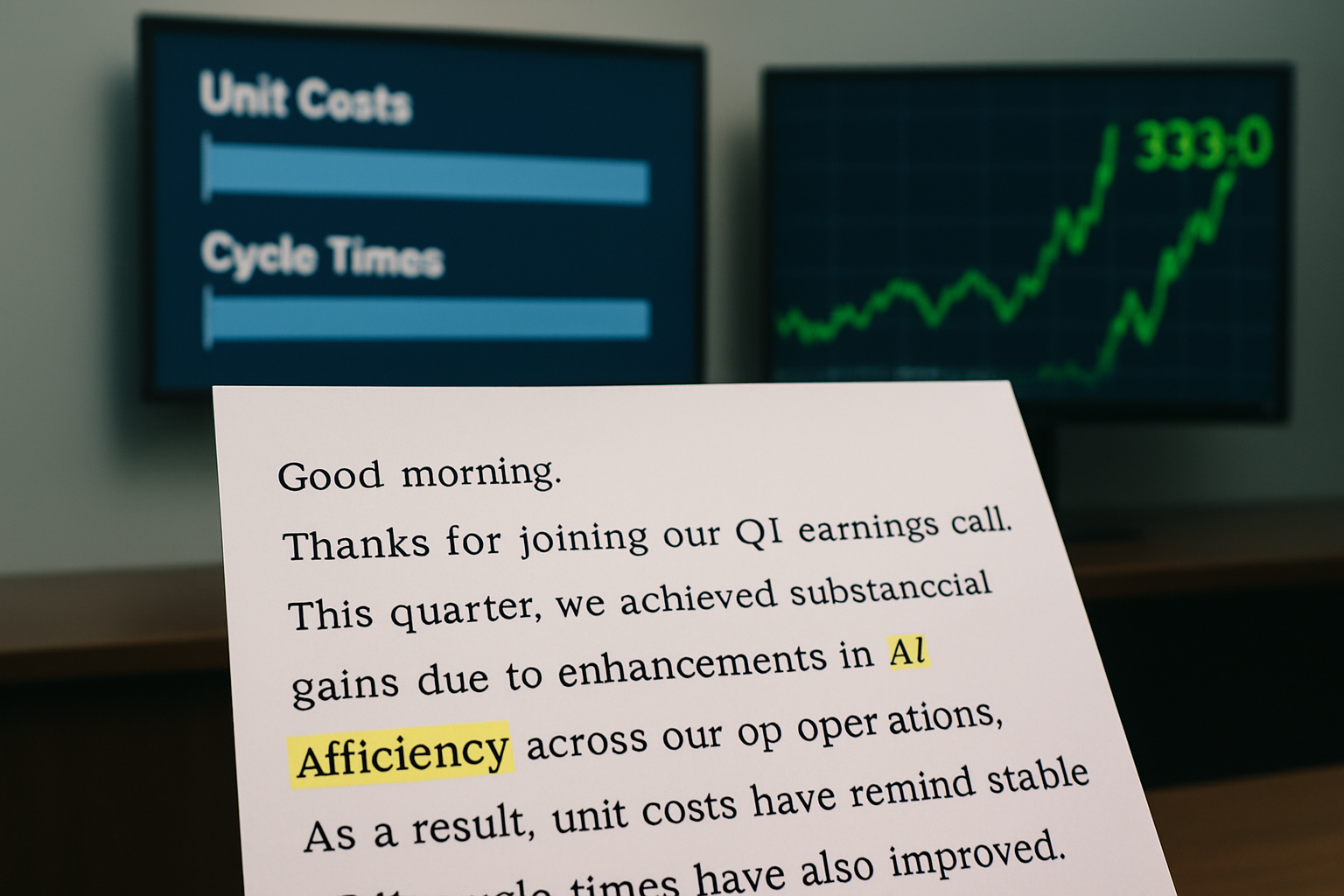
Markets reward AI layoff memos over stubborn unit costs
What if AI doesn’t cut jobs—its narrative does?
-
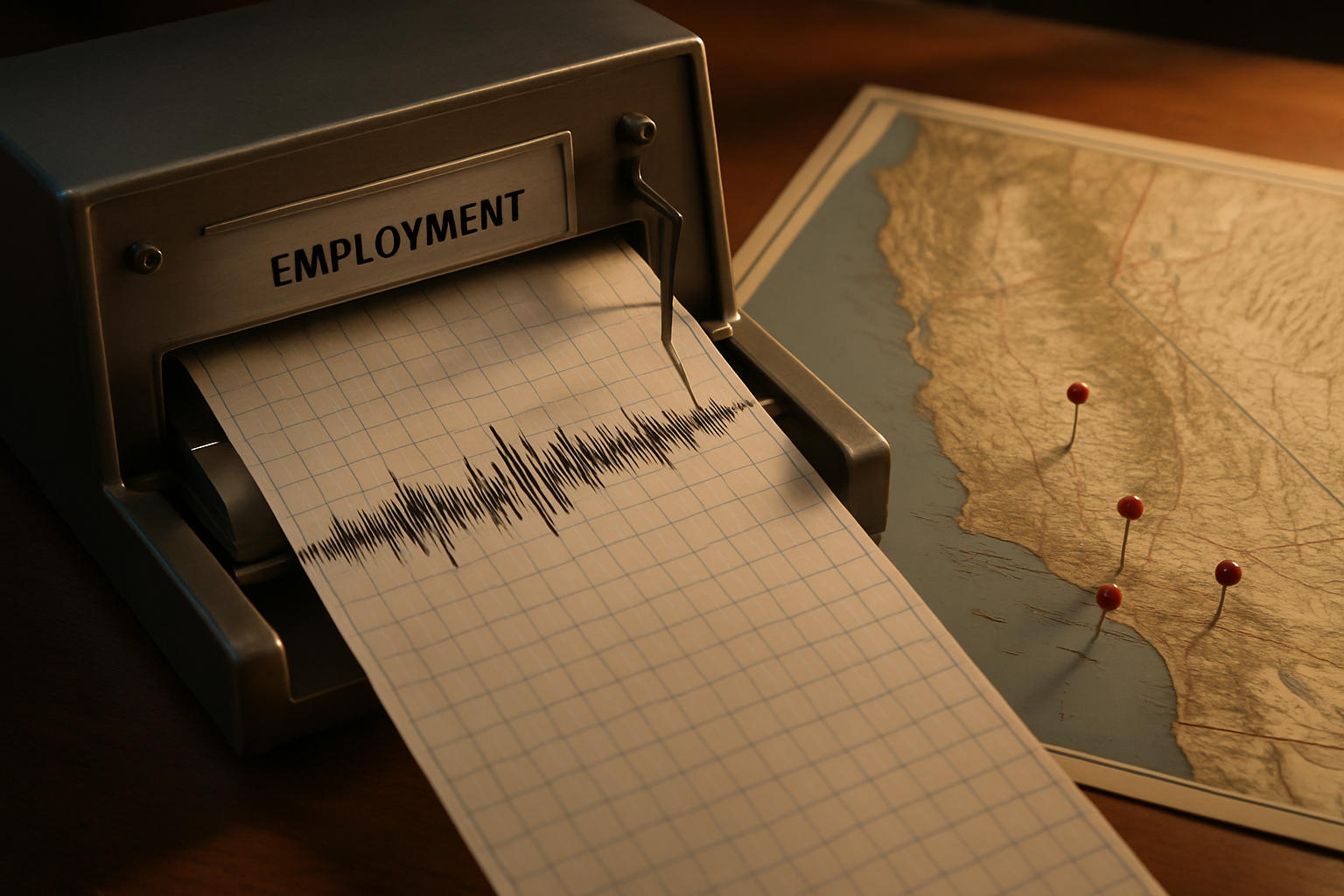
California’s N-6-26 builds AI layoff early warning system
California is wiring its labor market with an early‑warning system for AI disruption—deadlines, dashboards, and policy levers included.
-

OECD’s Skills‑First Readiness Index turns AI shock into mobility
The OECD just swapped forecasts for plumbing: a skills-first operating system and a readiness index built to turn AI’s task churn into worker mobility.
-
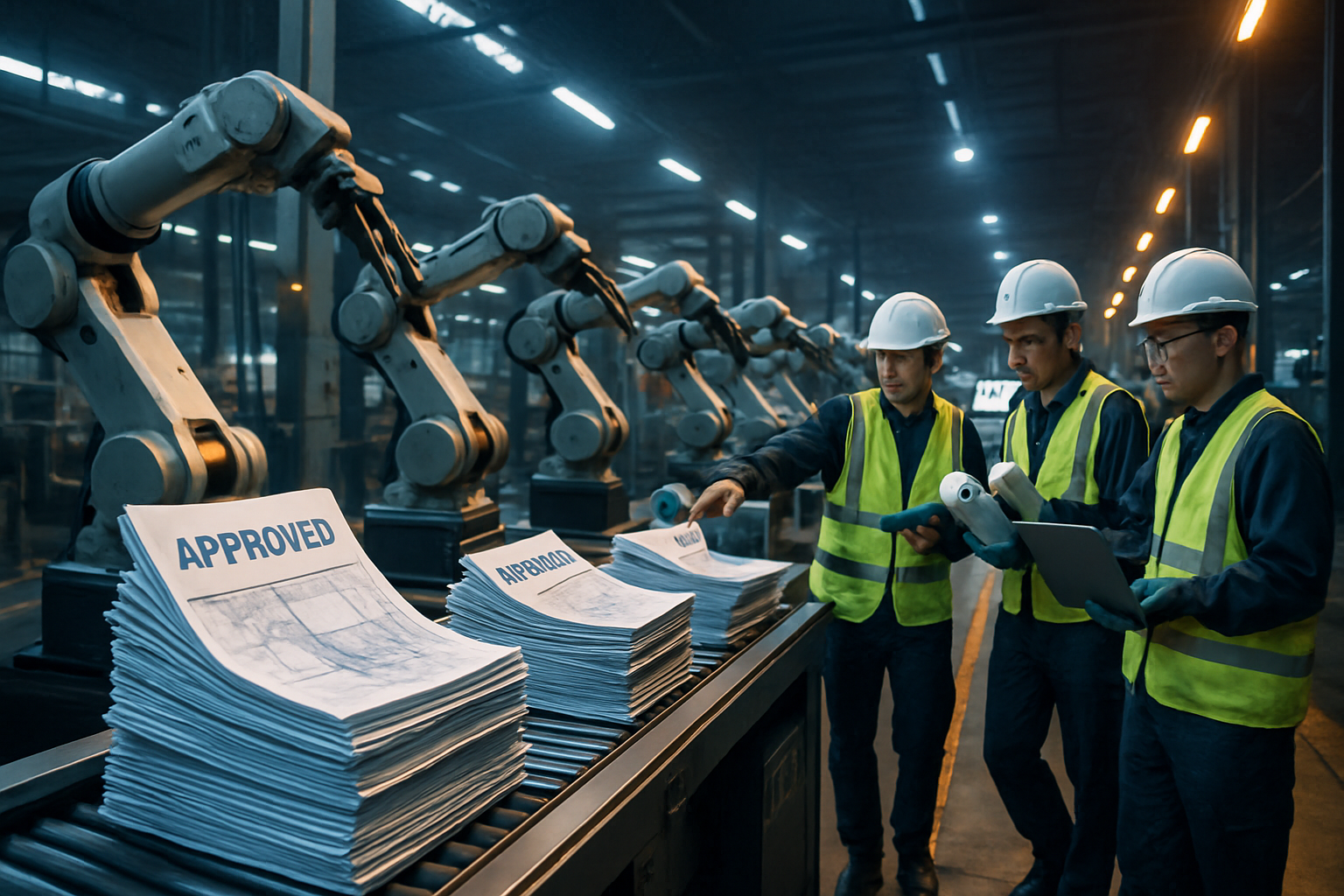
Prometheus raises $12B on Bezos labor shortage wager
In Paris, Bezos flipped the AI script, betting that cheap intelligence will spark a shortage of humans who can turn torrents of designs into certified, built reality—backed by his roughly $12B Prometheus wager.
-
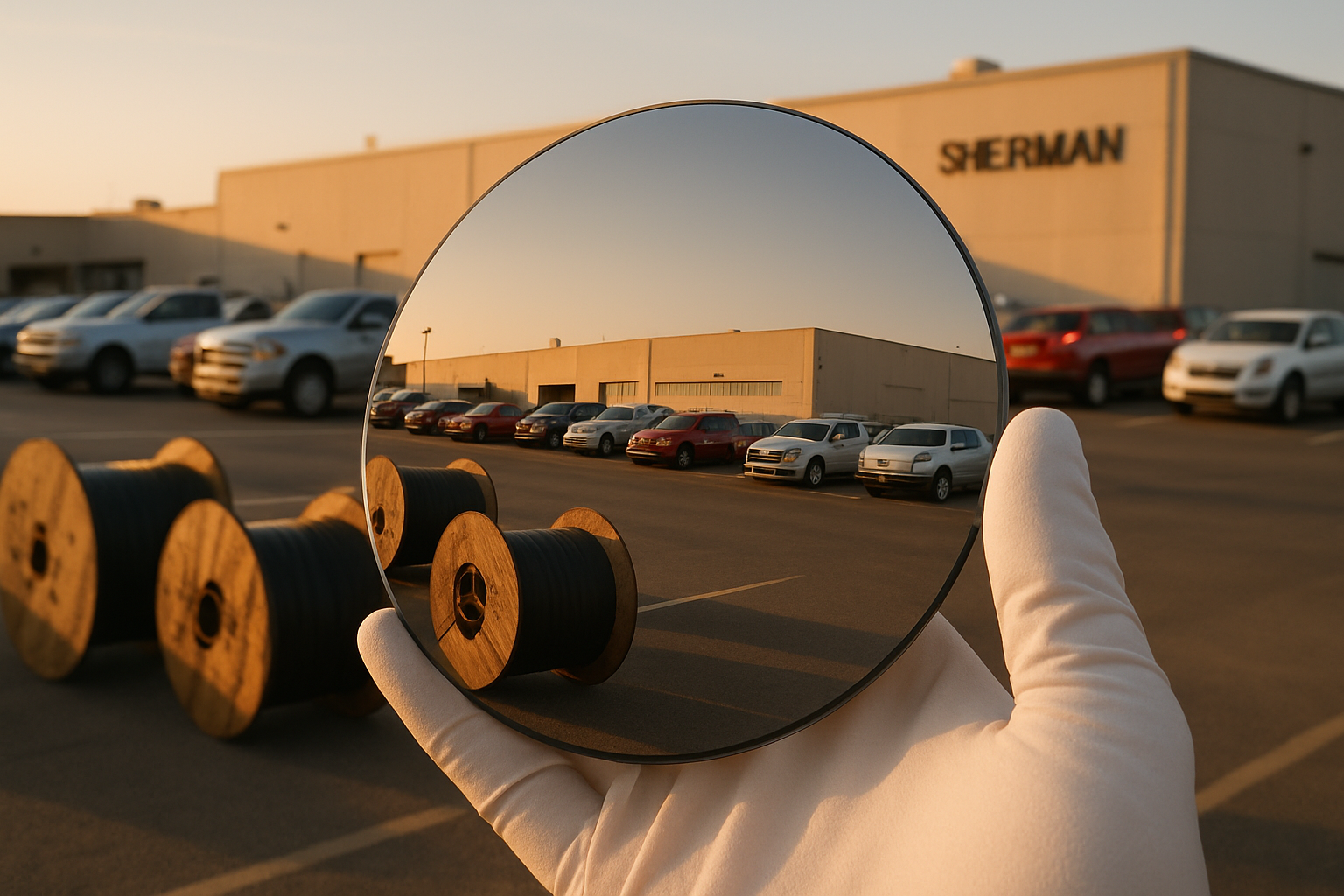
Nvidia’s $2B Coherent deal aims 1,000 Texas jobs
Nvidia’s $2B tie-up with Coherent in Sherman aims to prove that cheaper photons can mint 1,000 paychecks where AI meets the factory floor.
-

PwC 2026 finds AI leaders hire faster, reward deciders
PwC’s new AI Jobs Barometer maps a split market where automation trims tasks, but wages and hiring chase the people who choose, design, and lead.