Reporting archive
Evidence on AI and work
-

Amazon readies 14,000 layoffs as pilots become production
Amazon just turned “AI strategy” from slideware into headcount, and every CFO took notes.
-

IMF warns the real AI risk is the first job
At Davos, the IMF reframed AI as a macro risk—erasing entry-level on‑ramps, minting augmentation premiums, and forcing policy to build guardrails before wage ladders collapse.
-
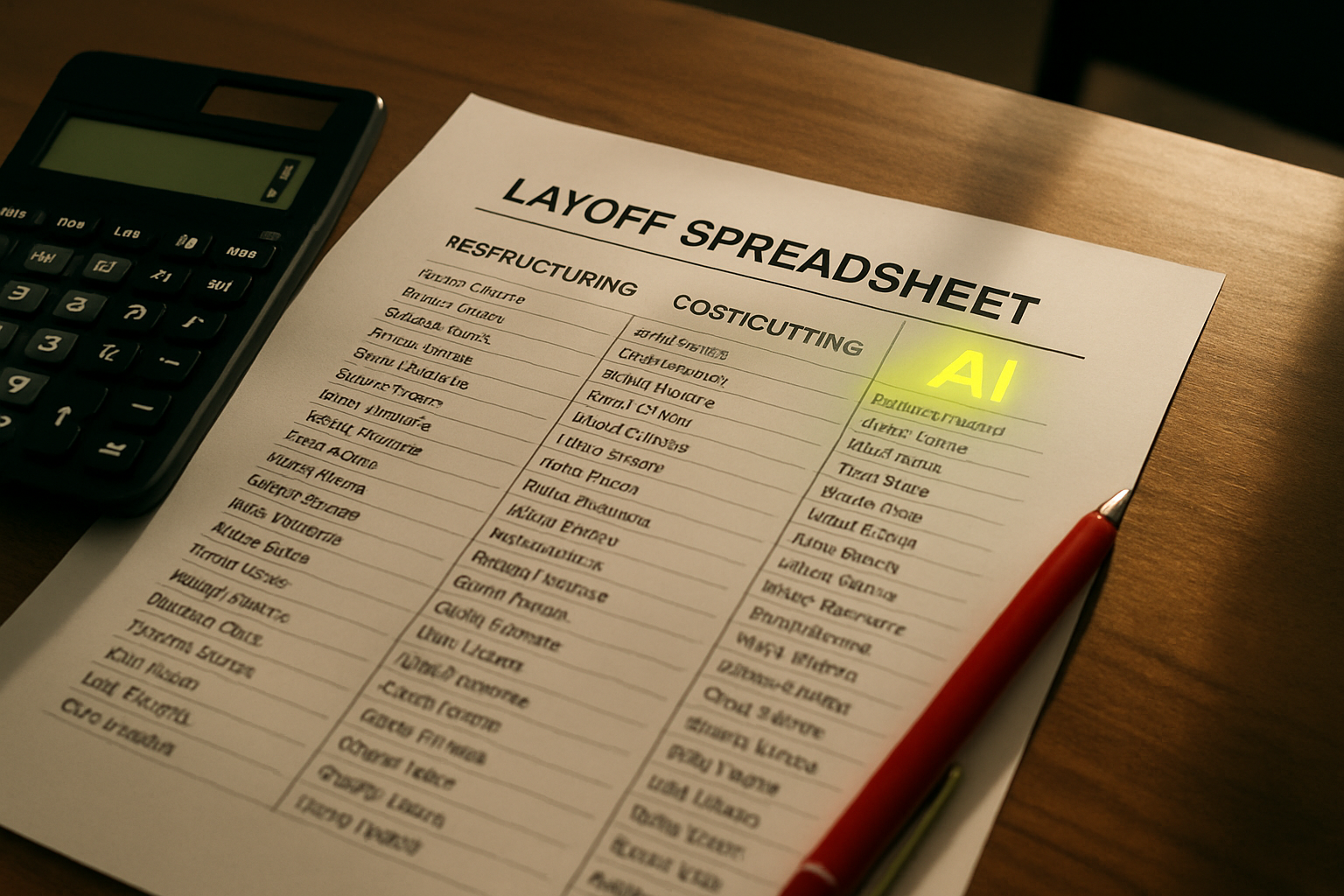
U.S. job cuts hit 1.20 million, AI appears on forms
The layoff ledger now has an “AI” column—and the numbers, sectors, and CEO quotes show it’s more than a narrative device.
-

JPMorgan sets five-year clock on AI headcount cuts
At Davos, Jamie Dimon quietly broke ranks, urging regulators to slow AI-driven layoffs—pricing civil unrest as the real risk and offering corporate buy-in to guardrails.
-

Hassabis and Amodei say the junior track is vanishing
In Davos, AI’s top builders admitted they’re staffing without starters—compressing teams, erasing apprenticeships, and risking a brittle future unless policy buys real experience.
-

When 95% report zero ROI, layoffs become the feature
Ed Zitron’s Guardian interview flips the AI debate from capability to intent, arguing the boom is a spreadsheet-driven push to shrink headcount despite shaky models and missing ROI.
-

The spreadsheet fired you, not the model
The layoffs aren’t proof AI works—they’re proof a valuation story needs bodies, and there’s a smarter way to stop becoming the accountability sink.
-

The $2.9 trillion bet against your first job
The AI boom has turned white-collar jobs into collateral, and whether models sprint or stall, the entry level gets thinner.
-

BlackRock warns AI boom needs electricians, not more GPUs
BlackRock’s memo flips the AI narrative: the real bottleneck isn’t GPUs, it’s the shrinking supply of certified tradespeople to wire, cool, and legally staff the data centers.
-

London rewrites apprenticeships as AI automates the first draft
London’s mayor just turned AI rhetoric into policy, daring the City to rebuild the first rung of white-collar work before it disappears.