Reporting archive
Evidence on AI and work
-
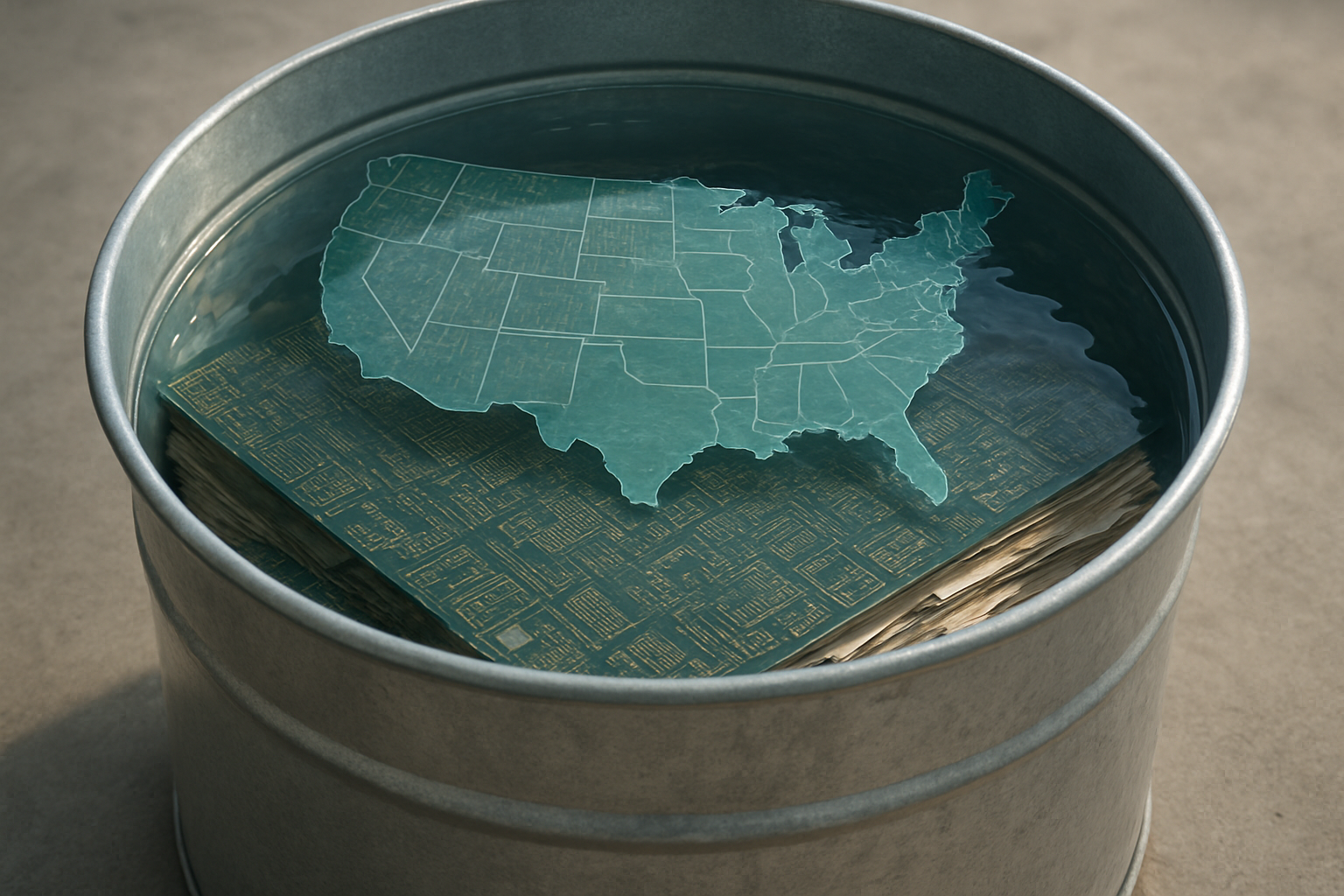
MIT and Oak Ridge National Lab map $1.2 trillion in AI exposure
MIT and Oak Ridge priced the present: an agent-based Iceberg Index shows today’s AI can already cover 11.7% of U.S. wages, and it’s mostly paperwork, not code.
-
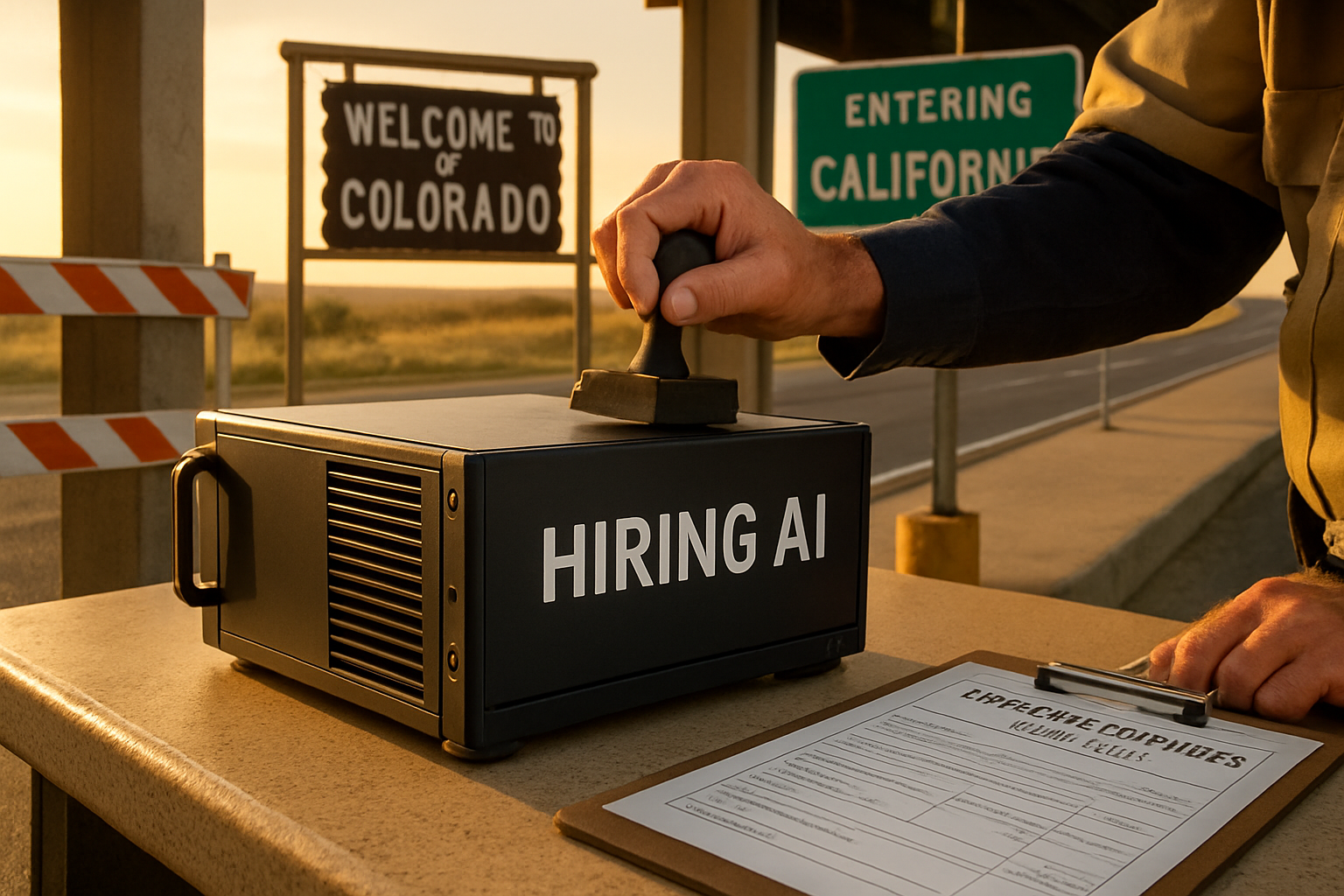
FEHA 2025 and Colorado 2026 reshape hiring algorithms
Thirty-five AGs just told Congress to keep hands off state AI laws—putting HR tech on a fast track to state-by-state audits, disclosures, and human-review rights starting in 2025–26.
-

UK faces seven million skills shortfall as entry roles shrink
The UK’s job ladder is losing its first steps, and only a high‑throughput skills machine can keep millions from stalling at the bottom.
-
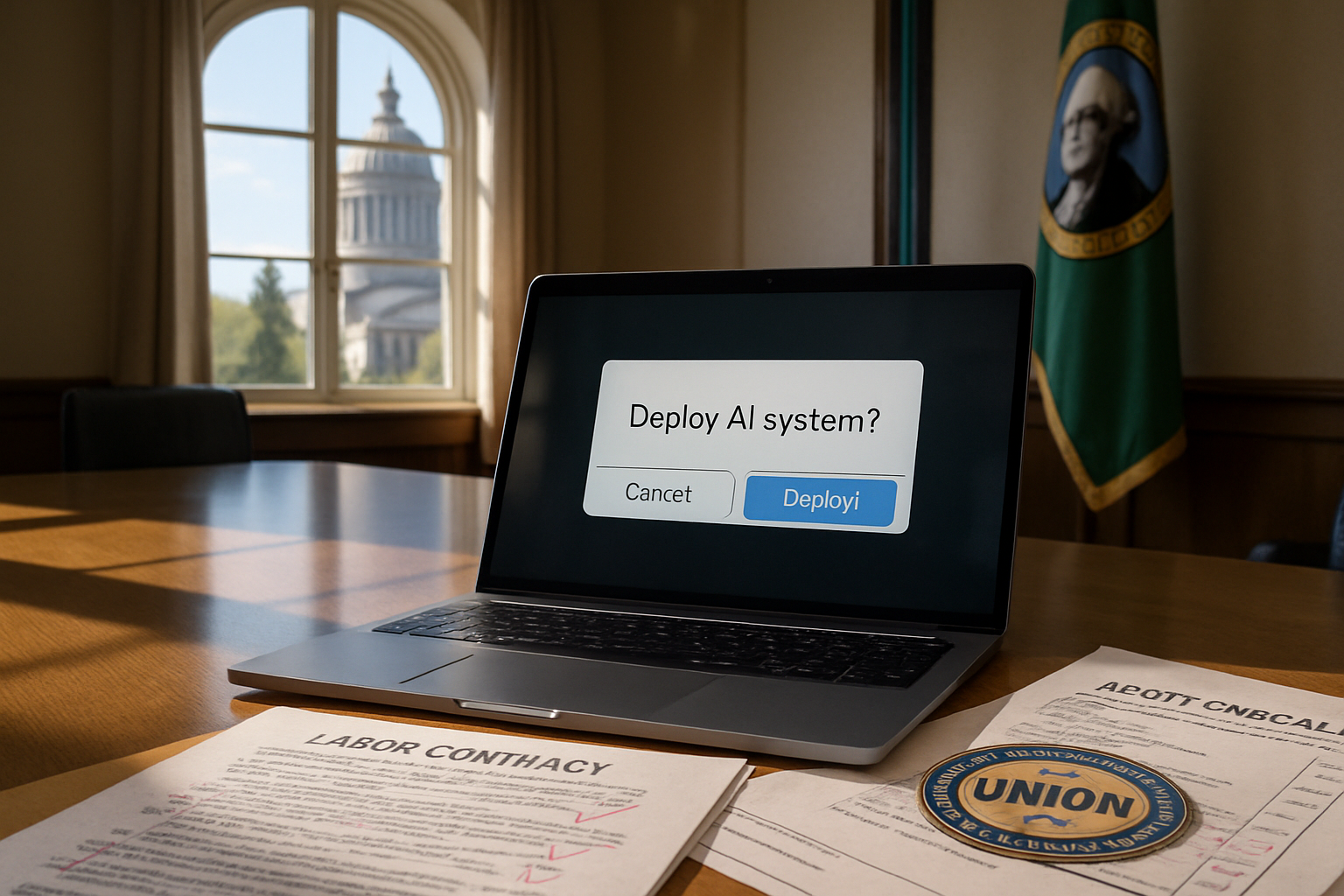
58–38, Washington moves to bargain AI decisions through HB 1622
HB 1622 flips AI from a managerial rollout to a negotiated choice, forcing audits, training, and accountability onto the table before anything ships.
-

Amazon trades 14,000 office jobs for megawatts
Amazon is converting thousands of white‑collar roles into silicon and power, redrawing its org chart around data centers instead of desks.
-
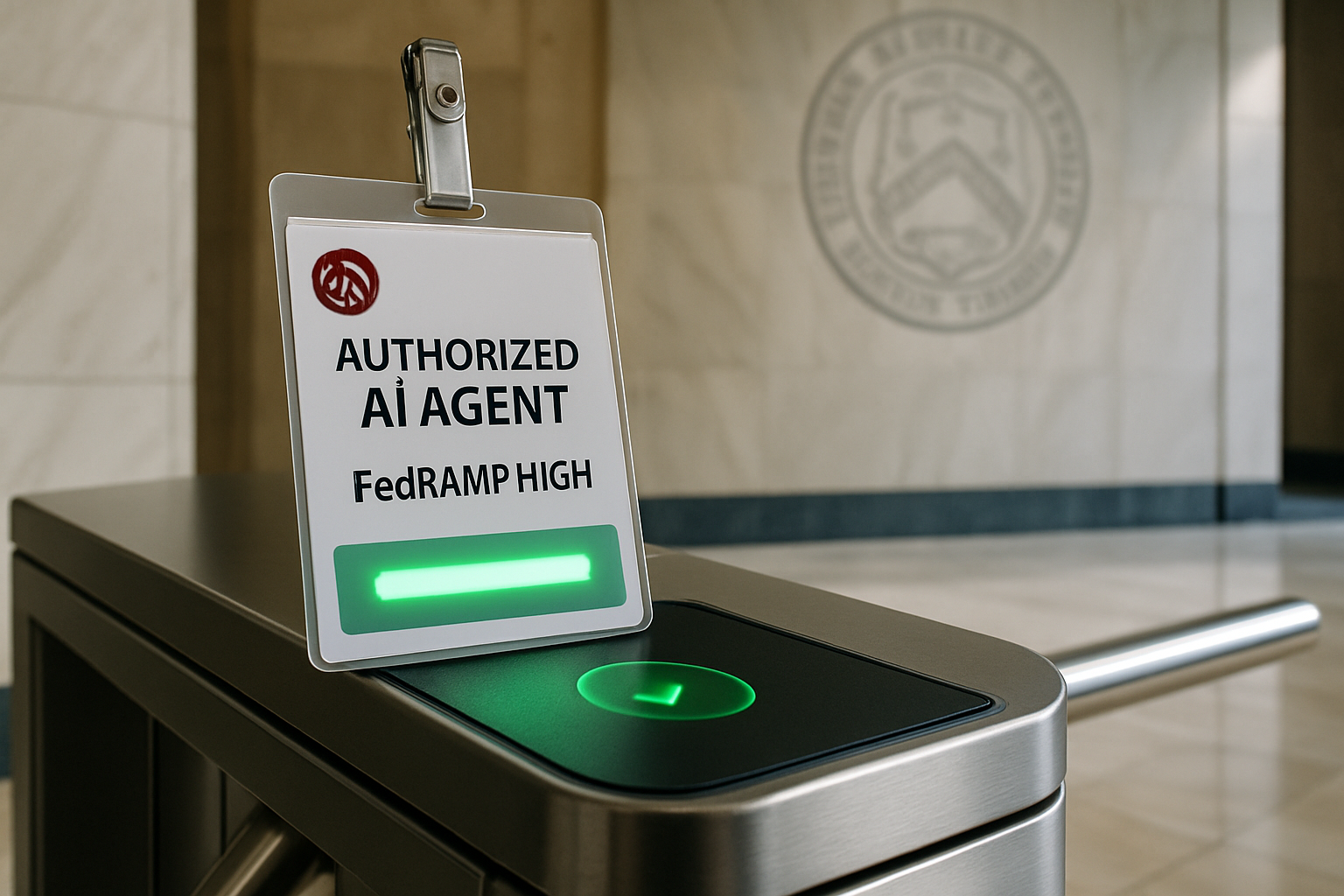
IRS trims 25,000, Agentforce arrives as shadow headcount
By quietly slipping Salesforce’s Agentforce into counsel, appeals, and the taxpayer advocate with FedRAMP High, the IRS just normalized AI as supervised staff—and gave every other agency cover to copy.
-
When AI Becomes Your Layoff Letter: The New Job Market Reality Check
As AI reshapes the job landscape, predictions from tech leaders reveal a stark divide in the future of work, leaving many to wonder who will truly benefit.
-
51% like AI at work, 58% fear five-year losses
Workers welcome AI for tasks but brace for job cuts, reshaping how companies deploy tools and how policymakers sell reskilling.
-
Nvidia earnings week reframes job cuts as job edits
Jensen Huang’s understated verdict—roles get rewritten, not erased—just handed boards a near-term playbook to capture productivity, redeploy talent, and normalize AI-augmented baselines.
-
Young developers down 20 percent as White House rides AI
The White House just said the quiet part out loud: AI is pausing entry-level hiring while Washington floors the accelerator on compute.