Reporting archive
Evidence on AI and work
-

Coinbase files 8‑K on AI‑native reorg and 700 cuts
Coinbase is melting its org chart into software—cutting 14%, flattening to five layers, and betting one person plus agents can outship yesterday’s teams.
-

Zhou wins back pay as Hangzhou rejects AI inevitability
A Hangzhou court just ruled that “AI made us do it” isn’t a legal excuse—if you automate, you must negotiate, retrain, or compensate.
-

When 70% of AI compute meets thin paychecks
AI’s productivity surge won’t translate into a boom unless the gains flow beyond profits to the paychecks that keep demand alive.
-

90% of data center builds go to union trades
AI’s job story is being written in copper and concrete as unions and tech quietly team up to build the megawatts—and manpower—the models need.
-
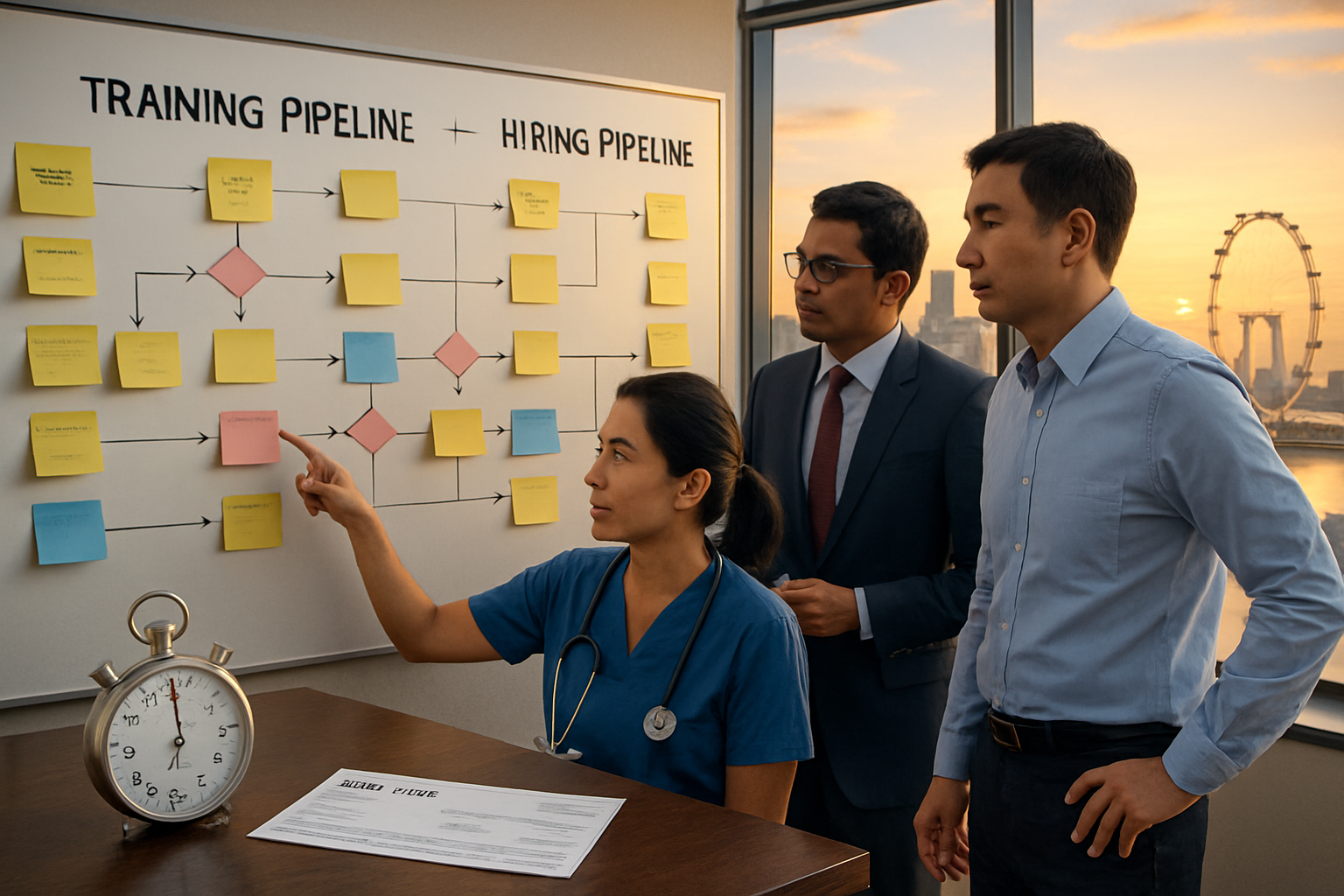
Lawrence Wong’s May Day pledge rewires AI around jobs
Singapore recasts AI adoption as labor-market choreography—hardwiring councils, incentives, and tool access to a single metric: time to reemployment.
-

Jensen Huang’s half‑million jobs are arriving at substations
Jensen Huang says the real AI jobs number is written in cranes, substations, and shift schedules—not slide decks—and the next hiring boom may run on megawatts.
-

Bloomberg tells Washington to tax rents, not robots
Bloomberg’s board says holster the robot tax and fund the landing—accelerate AI while cushioning workers with wage insurance, portable benefits, and rapid credentials.
-

Colorado hiring AI law gets 14-day shield after xAI suit
A Denver judge iced Colorado’s audit-first AI hiring law—and added a 14‑day grace shield—while xAI and the DOJ push the fight toward transparency over mandates.
-

OpenAI’s jobs map turns 18 percent into management decisions
OpenAI just swapped vibes for a working pressure map of the labor market—putting the next move on management, not destiny.
-
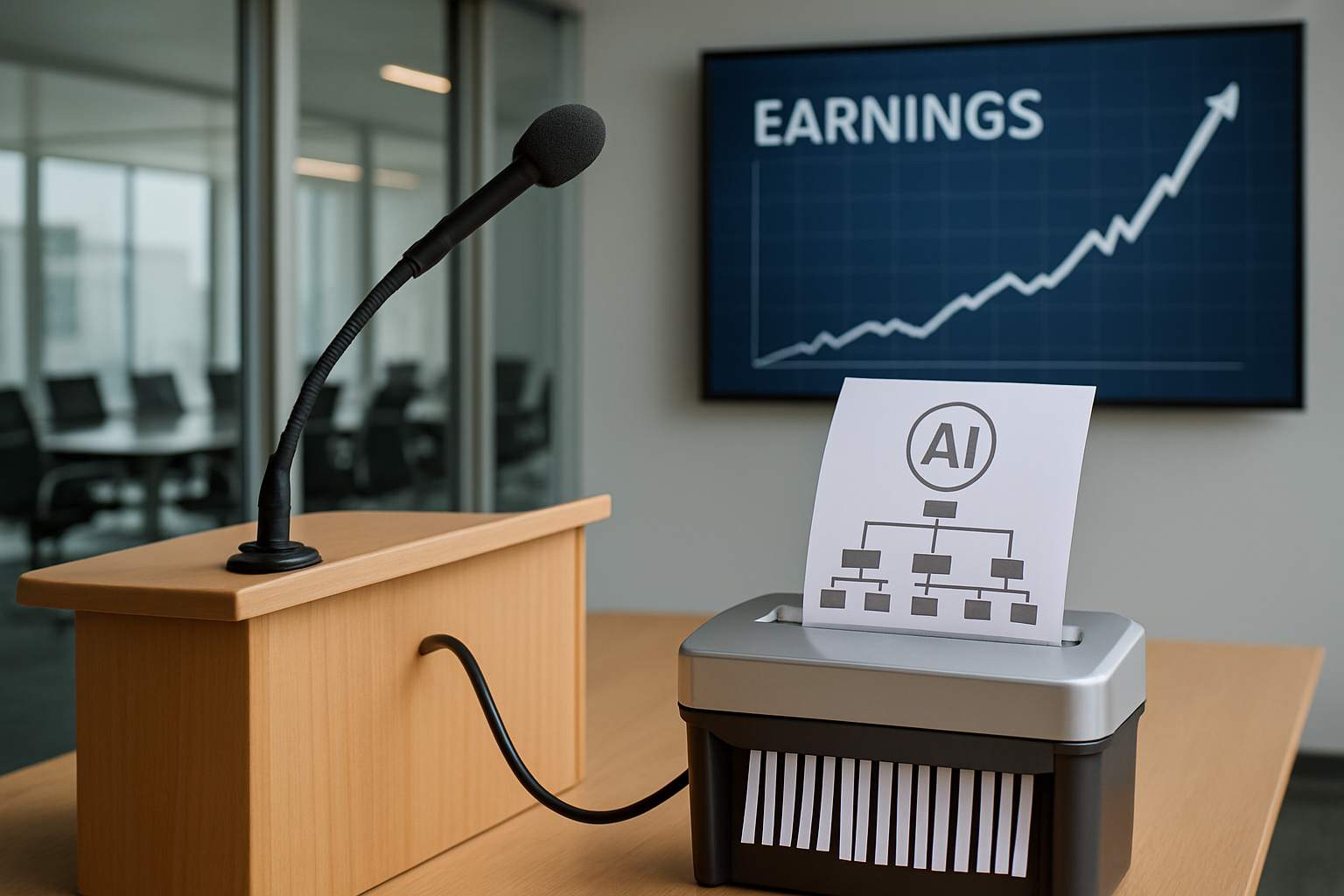
Earnings calls turn AI into the layoff playbook
CEOs have learned that saying ‘AI’ turns layoffs into discipline—and a contagious playbook is spreading from earnings calls to org charts.