Reporting archive
Evidence on AI and work
-

JPMorgan lets autonomous agents run for an hour or two
JPMorgan is graduating from chatbots to long‑running, permissioned agents—complete with audit trails—redesigning white‑collar work before it redesigns headcount.
-
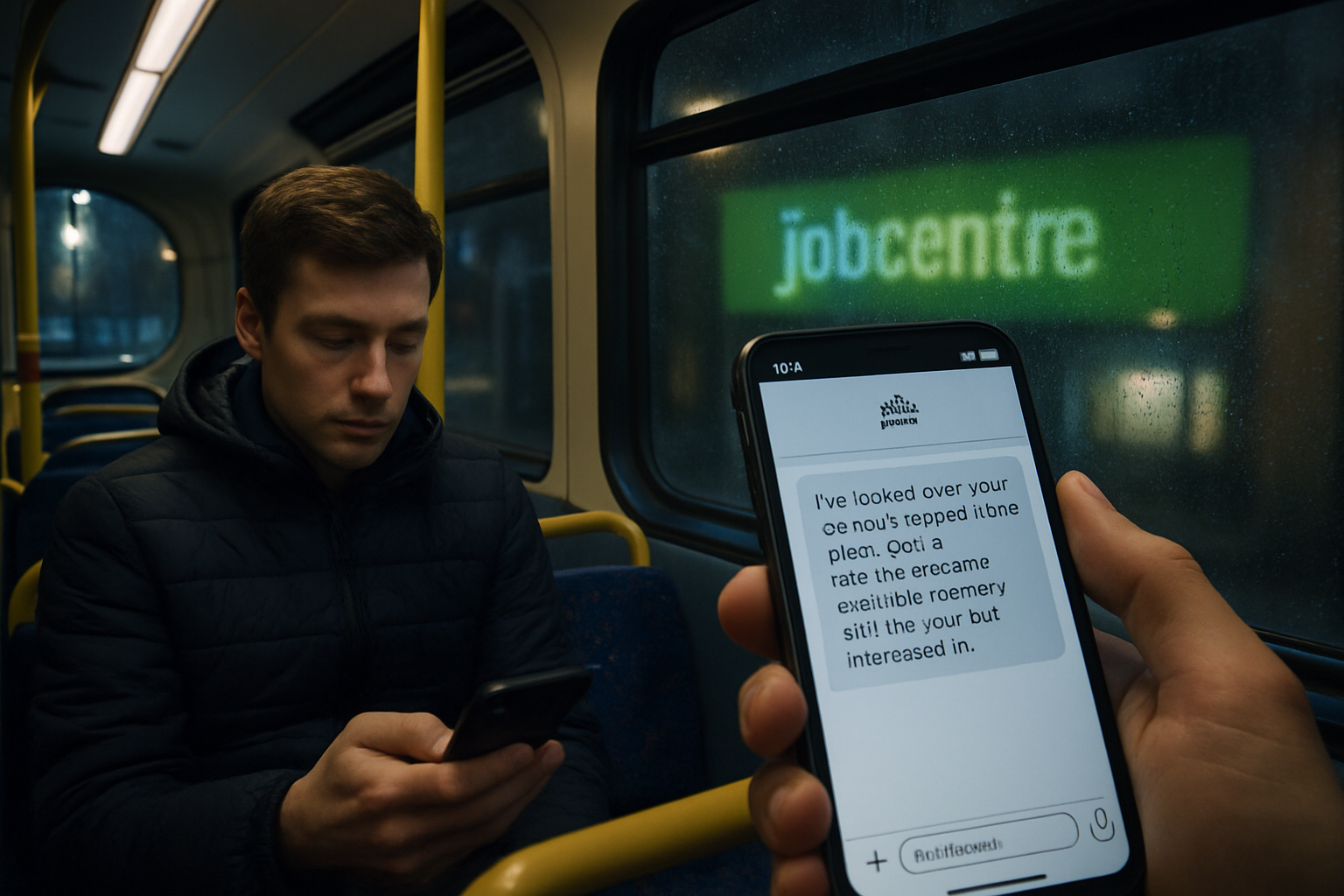
UK debuts experimental Work Hub AI job coach
Britain didn’t just talk AI—it shipped a 24/7 public job coach, and the next three months will reveal whether it turns layoff into interview time, not rhetoric.
-

Data center payrolls grow; org charts refuse to autocomplete
Billions are flowing into AI, but the only obvious hiring is pouring concrete—because until costs fall and governance settles, “adoption” without real integration just adds steps, not pink slips.
-
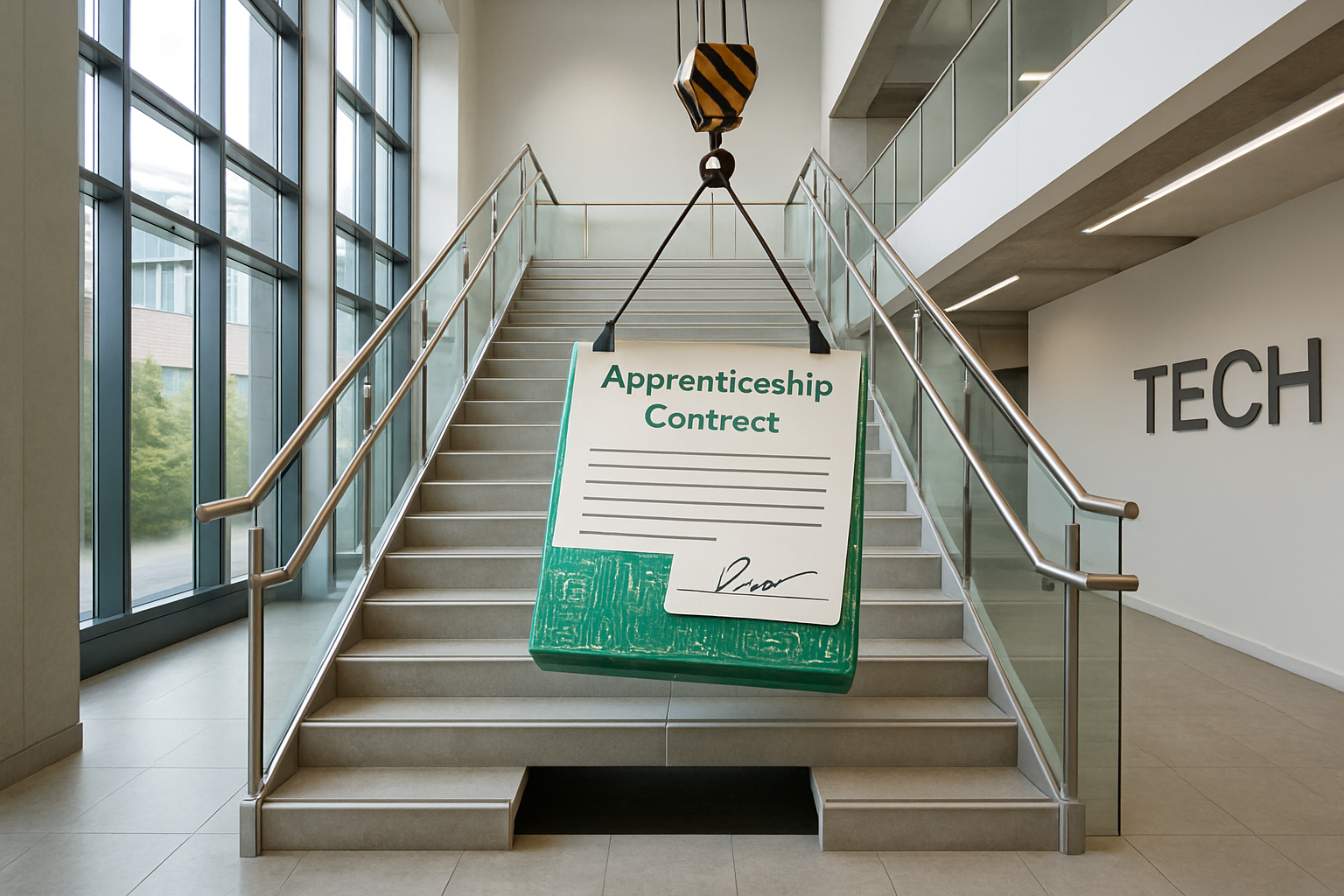
UK launches £20m alliance to design paid AI beginner roles
The UK just turned “train and pray” into paid guarantees, rebuilding the missing first rung of the AI economy with contracts, not certificates.
-
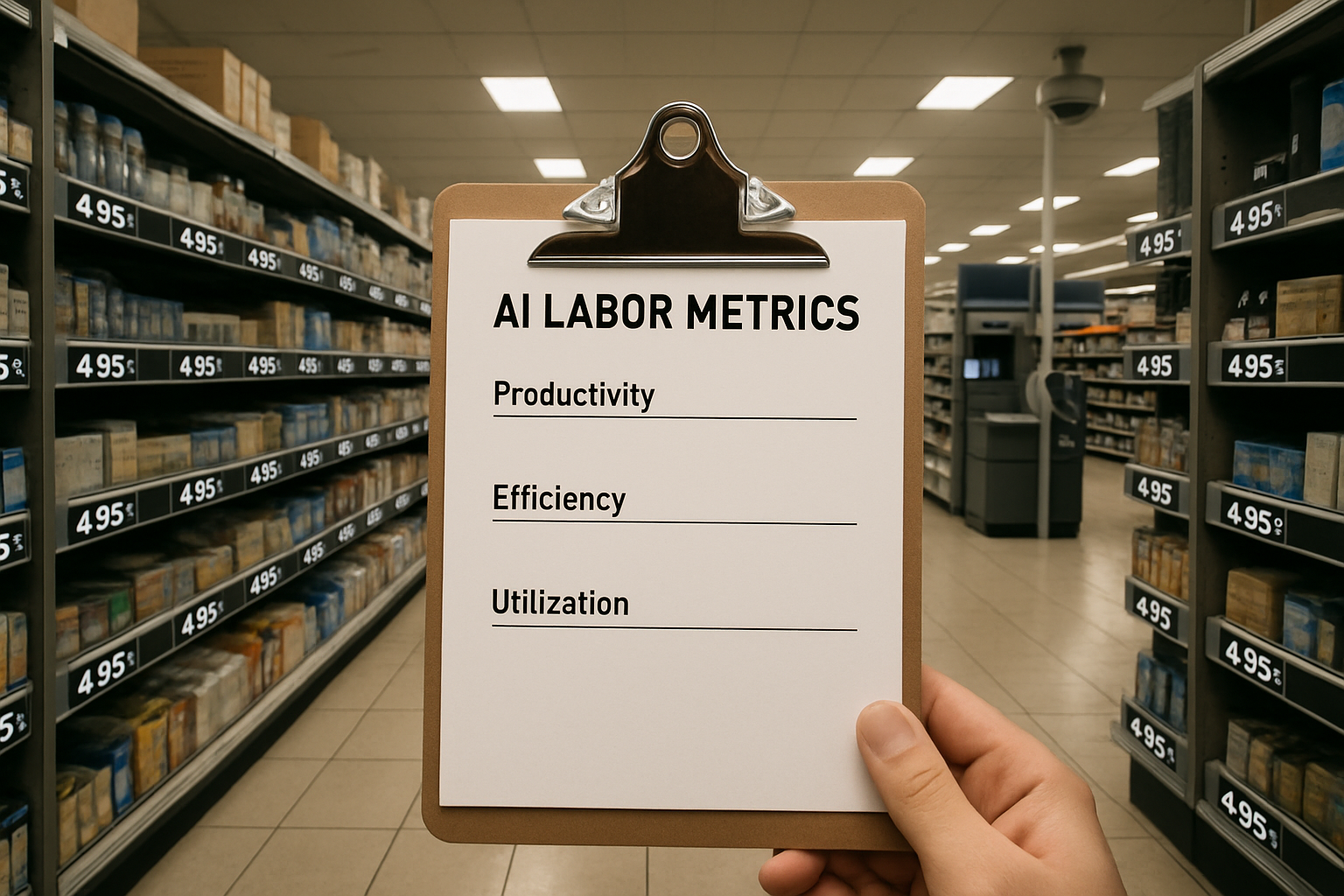
Walmart’s 4.95% vote keeps AI’s labor uncounted
A 4.95% vote at the nation’s largest employer signals investors prefer AI speed over standardized worker-impact metrics—and gives boards cover to keep the numbers in the dark.
-
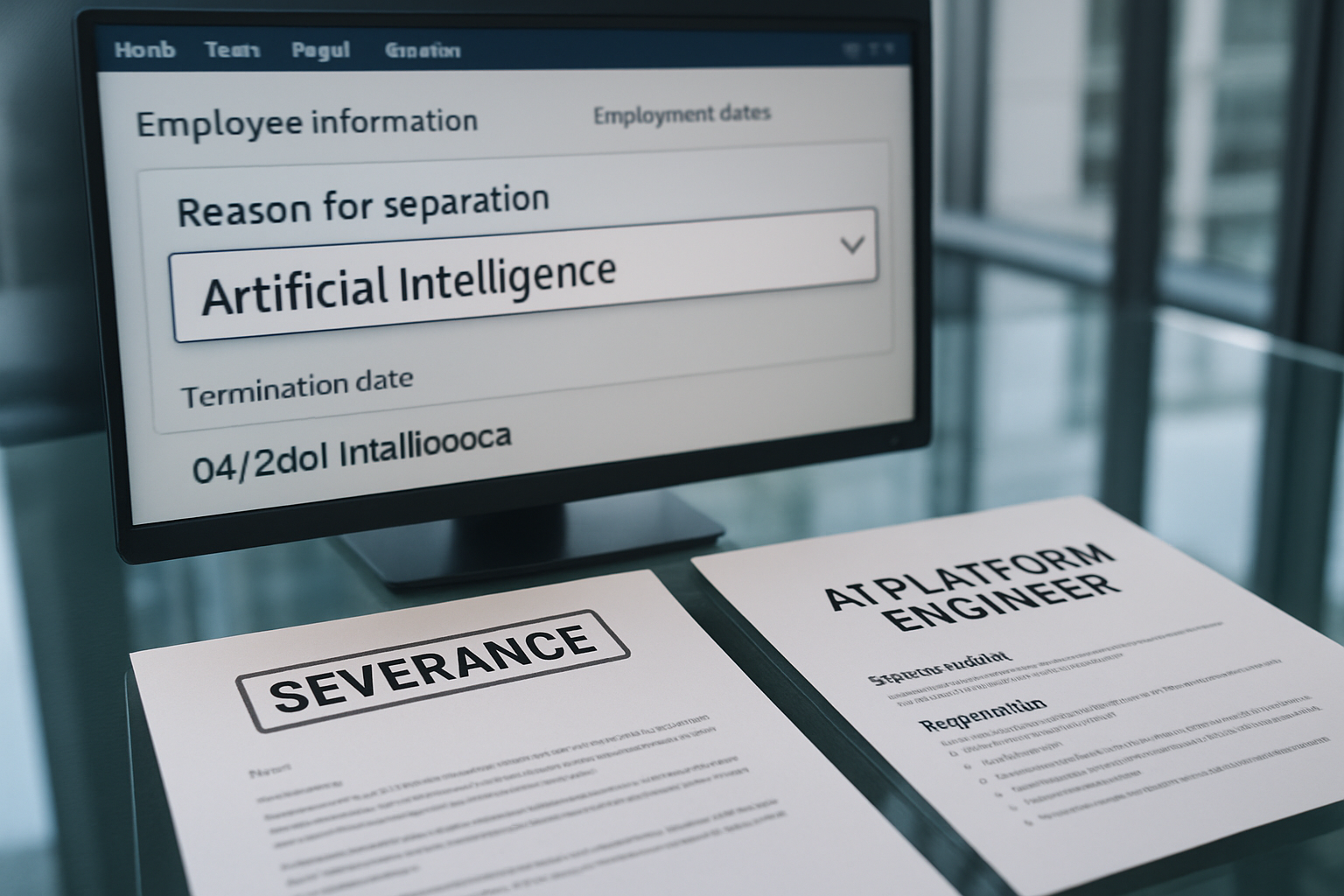
AI cited in 38,579 May layoffs, per Challenger
In May, U.S. employers didn’t just talk about AI—they checked it on the layoff form, with 40% of cuts carrying the label.
-

BCG finds 47% now manage AI, not tasks
BCG’s latest study shows AI has turned many roles from doing to directing—creating newfound hours that mostly leak away without a bold workflow rewrite.
-

Wells Fargo makes the first draft a machine job
When a $2.2T bank lets AI write first and makes humans prove what survives, the winners are editors, not typists.
-
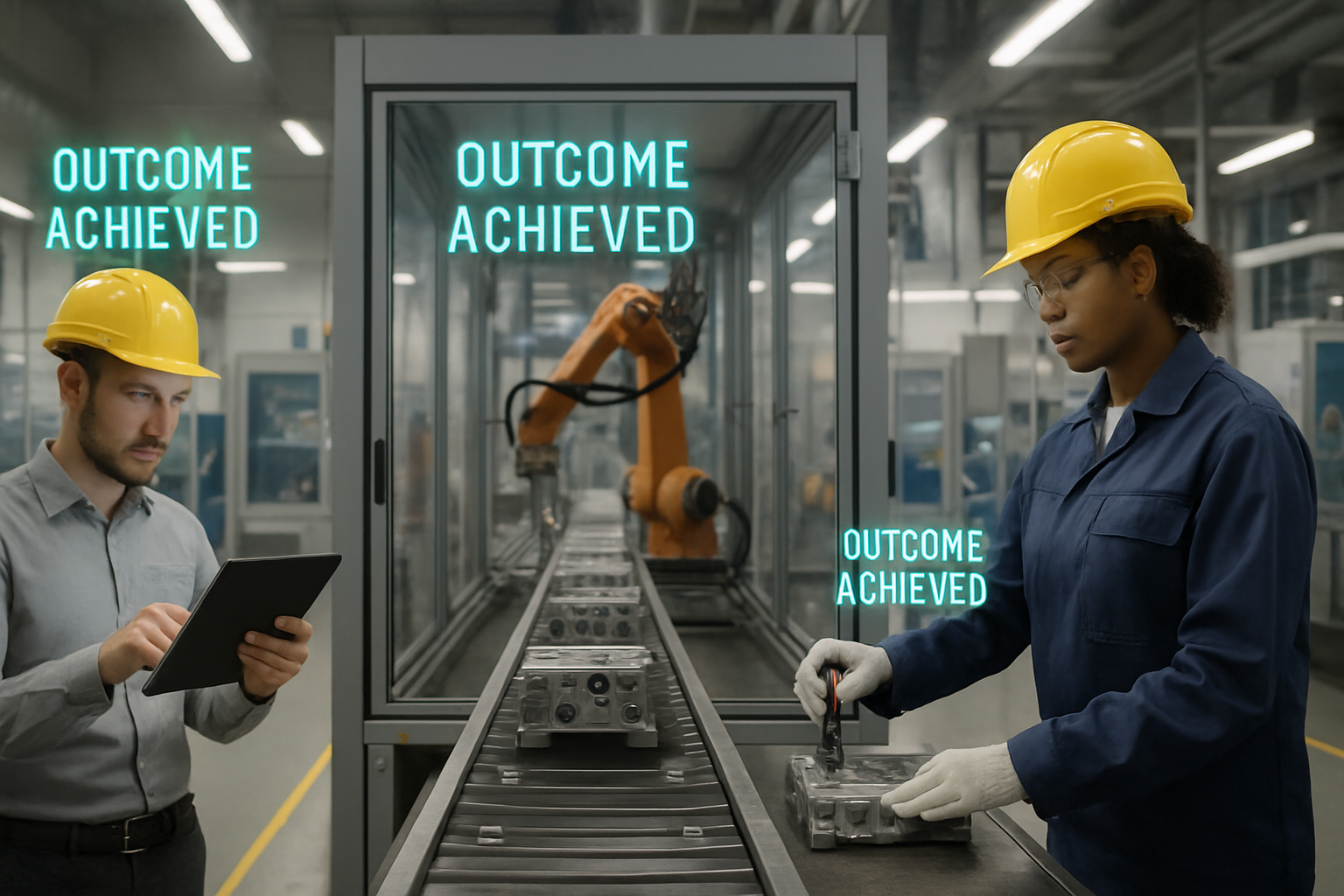
Cognizant hires 20,000 grads, shifts from tokens to outcomes
While peers freeze hiring, Cognizant is onboarding 20,000 grads, formalizing AI-operator roles, and replacing token tallies with outcome guarantees.
-

ADP’s weekly payrolls show build‑out hiring outruns AI cuts
A single payroll series just hijacked the AI layoff narrative, pointing to an implementation economy that’s hiring faster than automation can subtract.