Reporting archive
Evidence on AI and work
-

Meta cuts 8,000 as $145B shifts to data centers
Overnight, Meta swapped headcount for megawatts—gutting people-centric roles, drafting thousands into AI pods, and betting its future on data centers as the real workforce.
-

Developer postings rebound 14 percent as AI fluency pays
The roles standing closest to AI aren’t disappearing—they’re capturing demand and the pay premium.
-
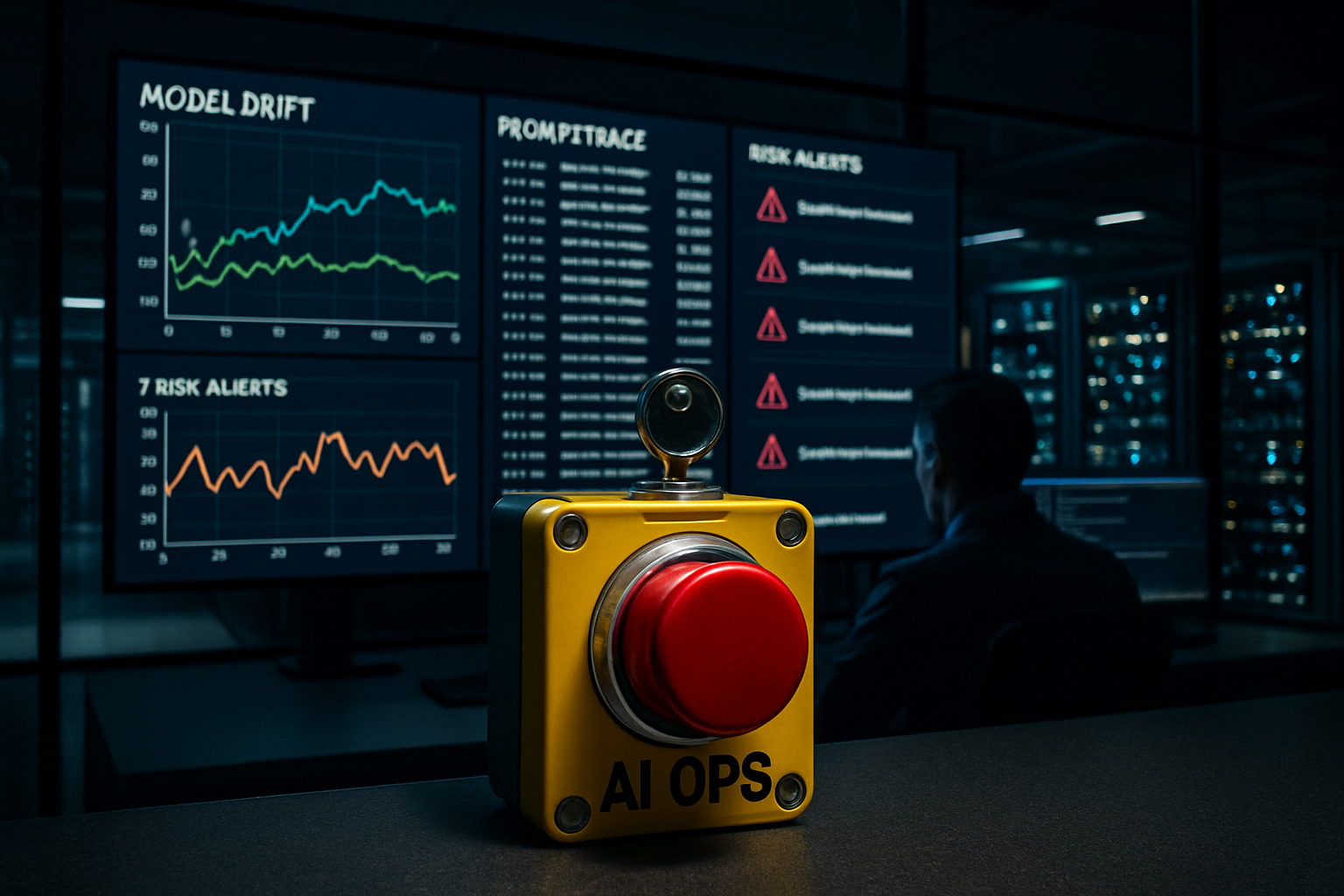
97% plan AI, yet 48% stalled by security
Security readiness—not cost—just became the choke point for AI value, pushing hiring toward “secure‑AI operators” and rewarding orgs that upskill ops over poaching researchers.
-

Cheaper first drafts create more law, not fewer lawyers
AI didn’t shrink law—it made the cheap parts vanish and the judgment parts decisive, rewiring junior work, pricing, and governance along the way.
-

Turn on Microsoft’s agent, quietly freeze hiring
Microsoft’s AI chief just turned “12–18 months” from talk into a roadmap—agents as defaults, backfills on ice, and throughput quietly doubling without the pink slips.
-
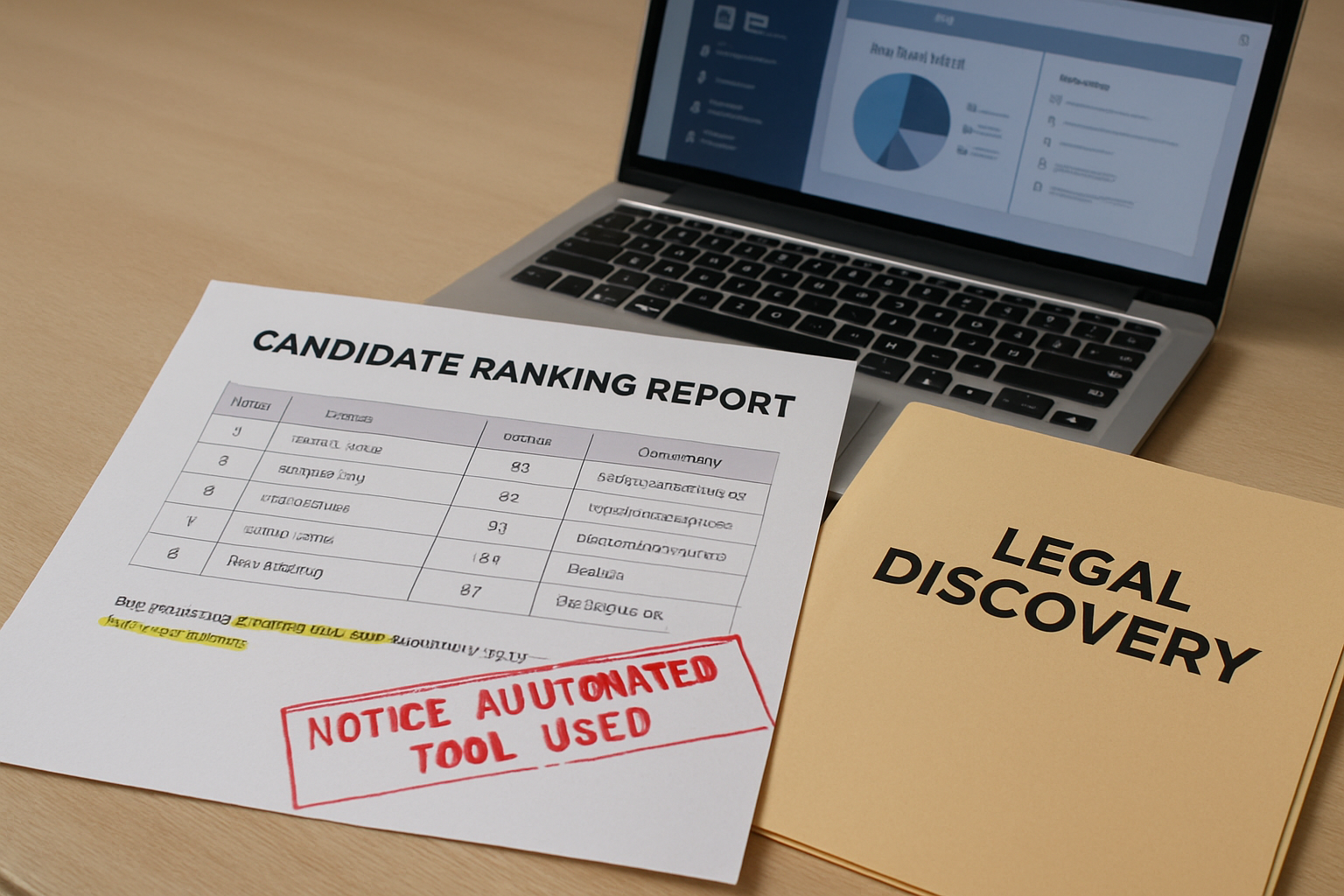
Material influence now triggers HR liability in Colorado
Colorado ditches grand AI rituals for a notice‑plus‑liability regime that turns any machine‑shaped HR outcome into evidence if it materially influenced the decision.
-

From headcount to H100s, the new layoff script
AI just jumped to the first line of layoff memos as companies reroute salaries into compute and promise “leverage” long before the metrics catch up.
-

Bank of Canada data show 90% of AI adopters kept headcount
A G7 central banker just swapped ‘jobs’ for ‘tasks,’ telling us to watch workflows—not layoffs—if we want to see AI’s real impact.
-

Delta’s Ed Bastian scraps AI speech, insists on authorship
After admitting an AI wrote his speech, Delta’s Ed Bastian tossed it to make a sharper point: in an AI-saturated market, the scarce premium is the person willing to sign the call.
-

The next AI bottleneck is the licensed electrician
Jensen Huang just told CMU grads that the quickest on-ramp to the AI boom runs through a hard-hat gate, not a Git repo.