Reporting archive
Evidence on AI and work
-
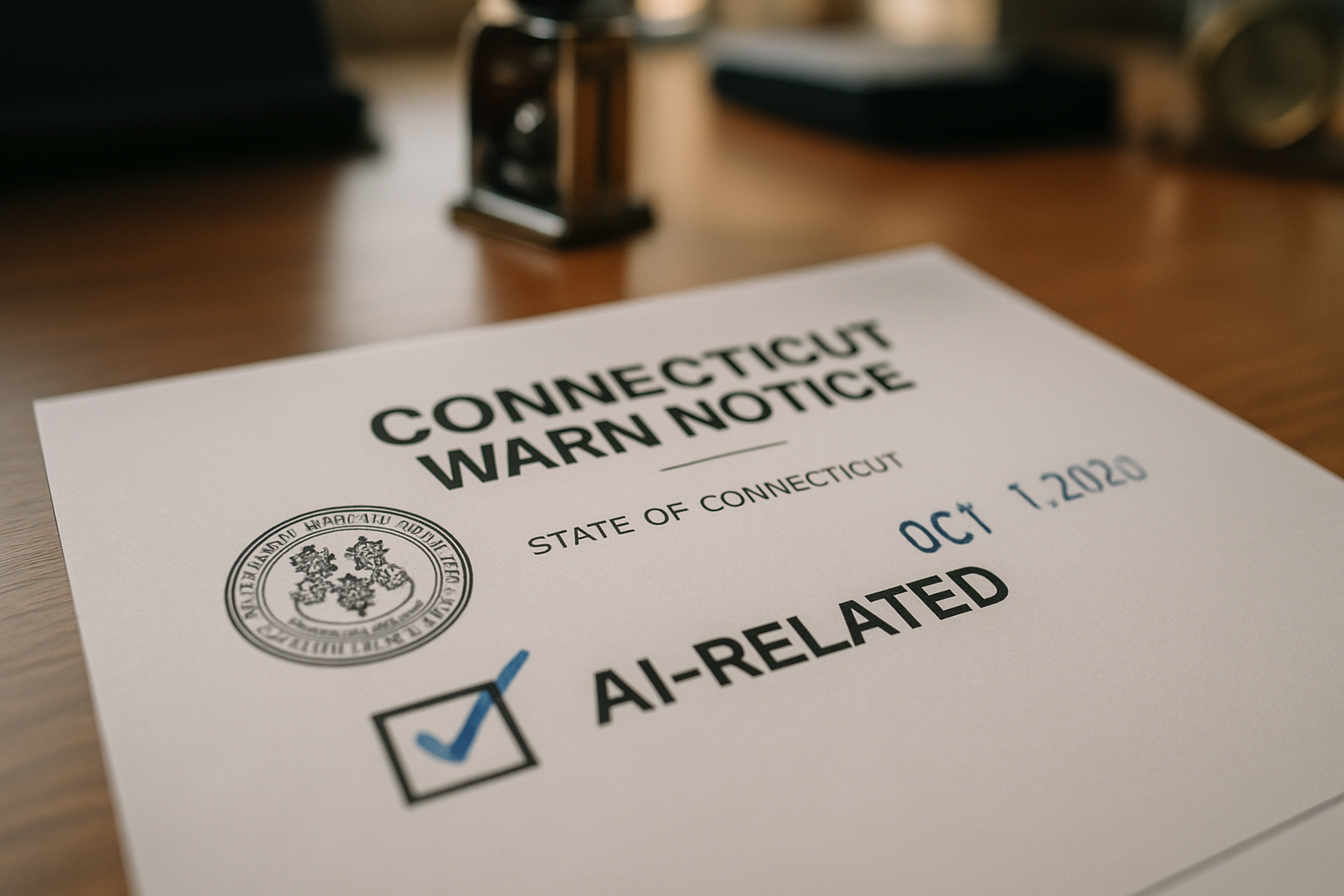
Connecticut forces yes or no on AI layoffs
Connecticut just turned layoff spin into evidence by forcing employers to declare—on the record—whether AI helped cut the jobs.
-

McKinsey’s $7T data center boom, dozens of permanent jobs
AI’s biggest hiring wave is under hard hats—and it vanishes the moment the ribbon is cut.
-

JD.com promises no layoffs when machines replace workers
JD just turned ‘AI did it’ into a non-reason for layoffs, betting it can redeploy humans as fast as it automates.
-

Fed governor Lisa Cook says AI job losses precede gains
A Fed governor just put a timeline on AI—job losses before gains—turning the transition into a sequencing test for labor, inflation, and boardrooms.
-
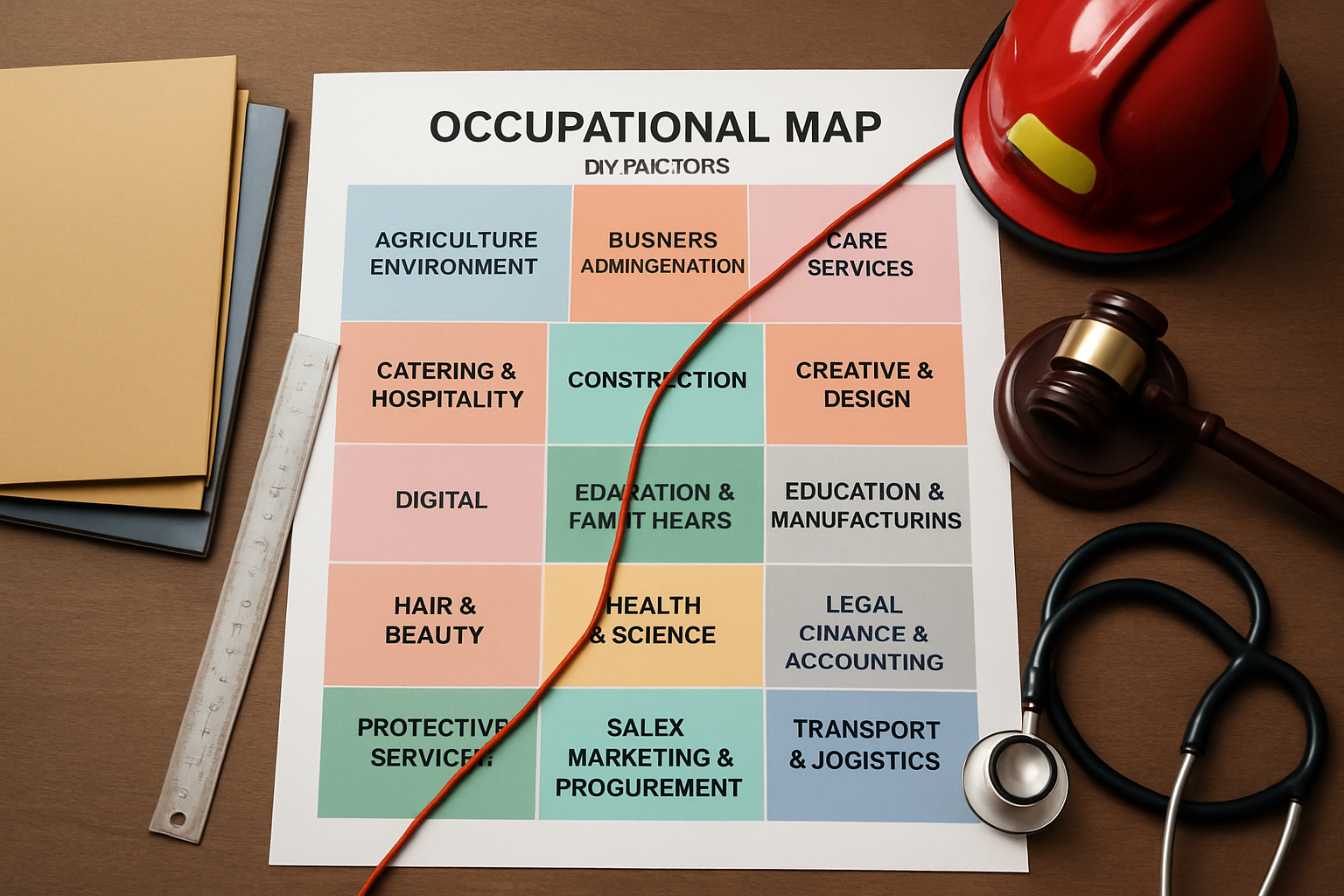
OECD unveils a 24‑point AI capability gap for occupations
The OECD just turned AI “exposure” from vibes into a living map, showing clerical work nearly on the line and embodied, high-accountability roles still far away.
-

Magnifica humanitas sets employment as AI’s hard constraint
Rome just told AI teams: no proof of worker protections, no rollout.
-

Jeff Bezos’s deflation riff points to a judgment shortage
AI isn’t deleting work—it’s exploding the oversight, edge cases, and decisions only humans can own.
-

Comptroller maps AI shock that cuts 111,000 NYC jobs
NYC’s Comptroller just swapped vibes for probabilities, warning that a 2026–27 AI shock could erase 111,000 private jobs and punch a $14B hole in tax receipts.
-

Why Goldman says your job survives 25% automation
Wall Street just moved the AI jobs debate to your schedule: expect a quarter of tasks to vanish from the calendar—not the payroll—and watch who pays to retrain.
-
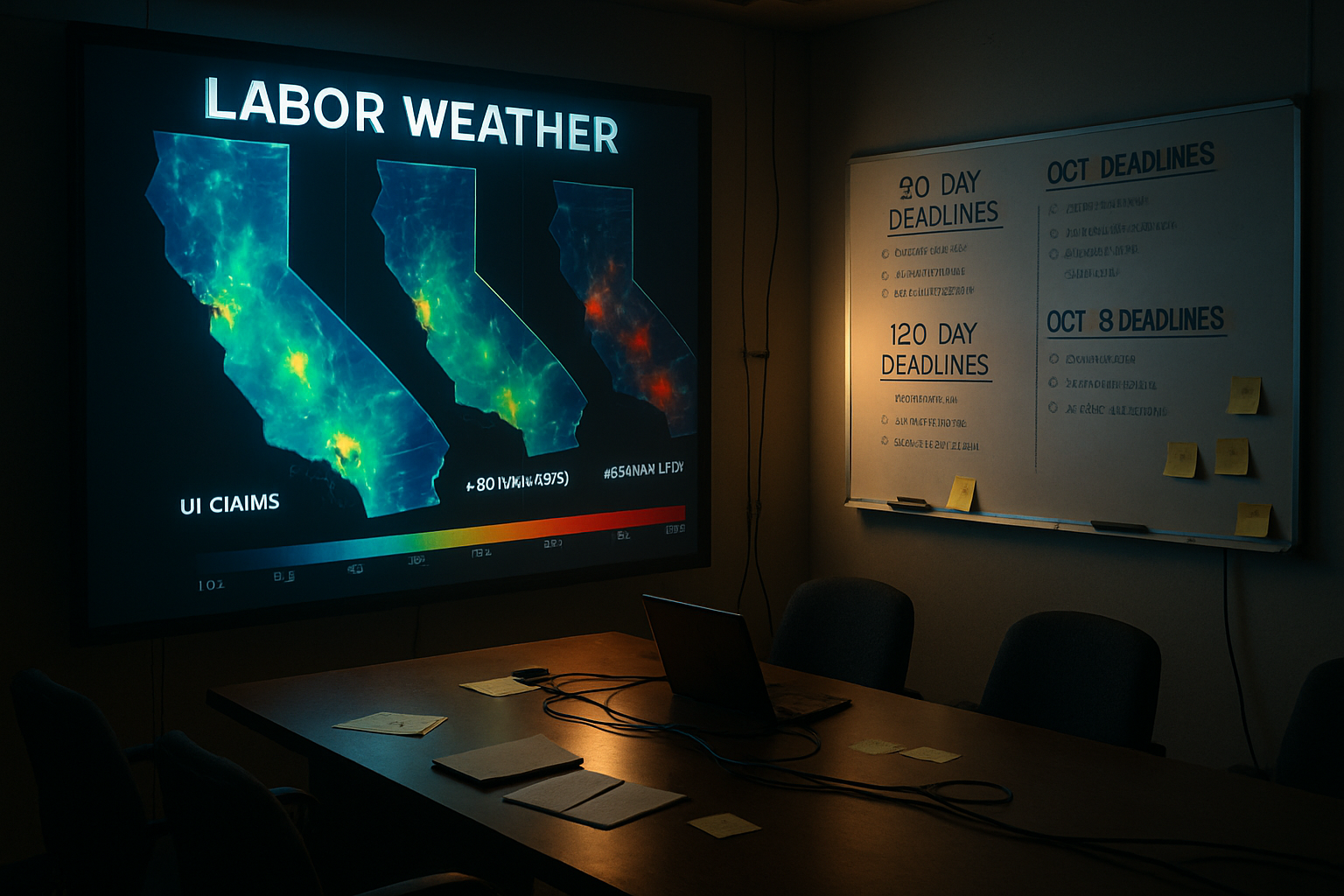
California’s N‑6‑26 turns AI worry into work orders
Newsom’s order turns AI workforce anxiety into a production schedule—standing up a real-time labor dashboard, rewiring WARN as a sensor, and aiming safety nets and training at disruption before it hits.