Reporting archive
Evidence on AI and work
-
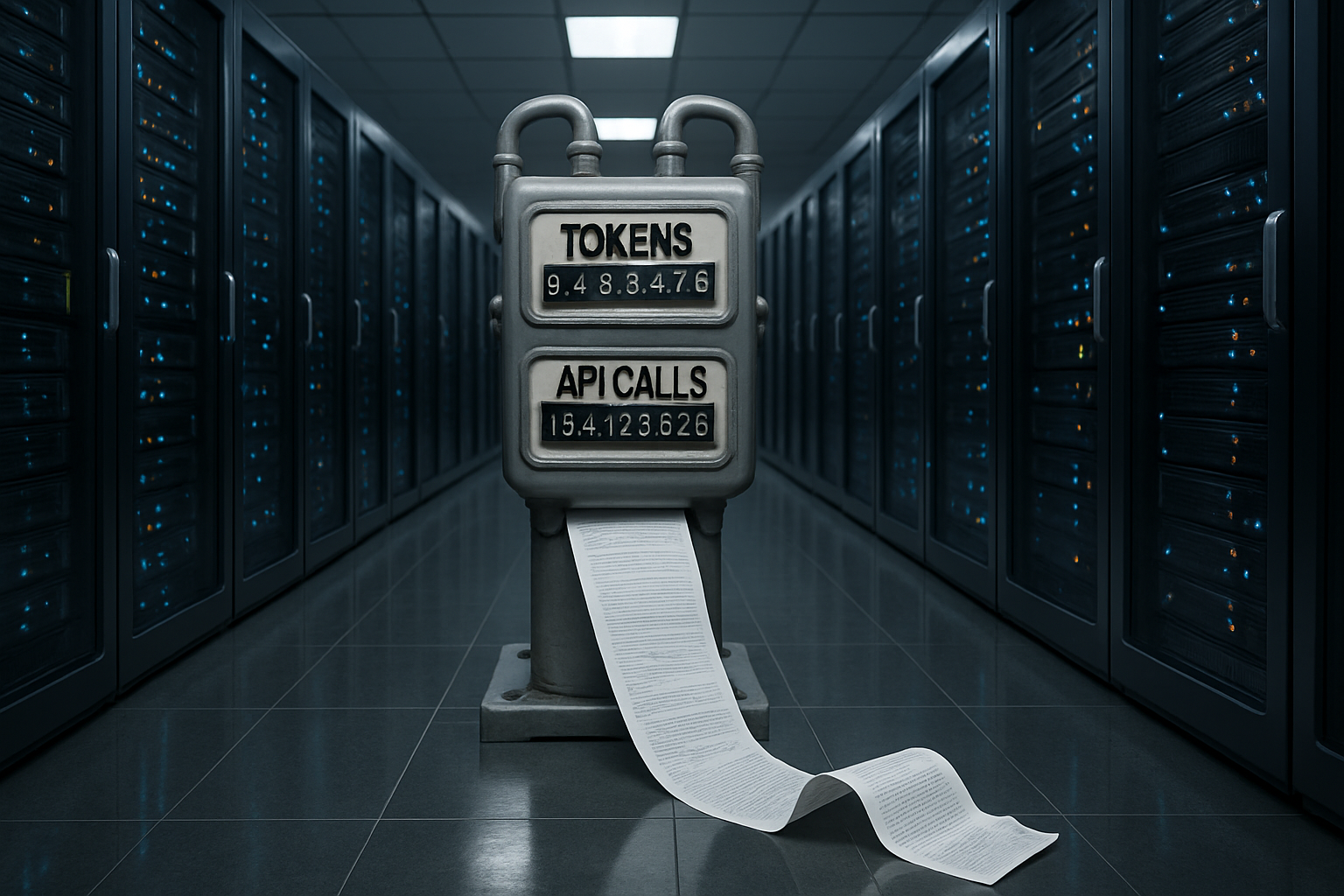
Oracle’s up to 30,000 cuts shift tech jobs to auditors
AI vendors have moved from pitching the future to auditing the past, turning tokens, APIs, and cloud drift into this quarter’s cash register.
-

WalkMe 2026 shows eight in ten bypass mandated AI
Fortune’s new data shows the biggest AI risk at work isn’t model quality—it’s a quiet refusal to click, turning “adoption” into a consent fight and a mounting friction tax.
-
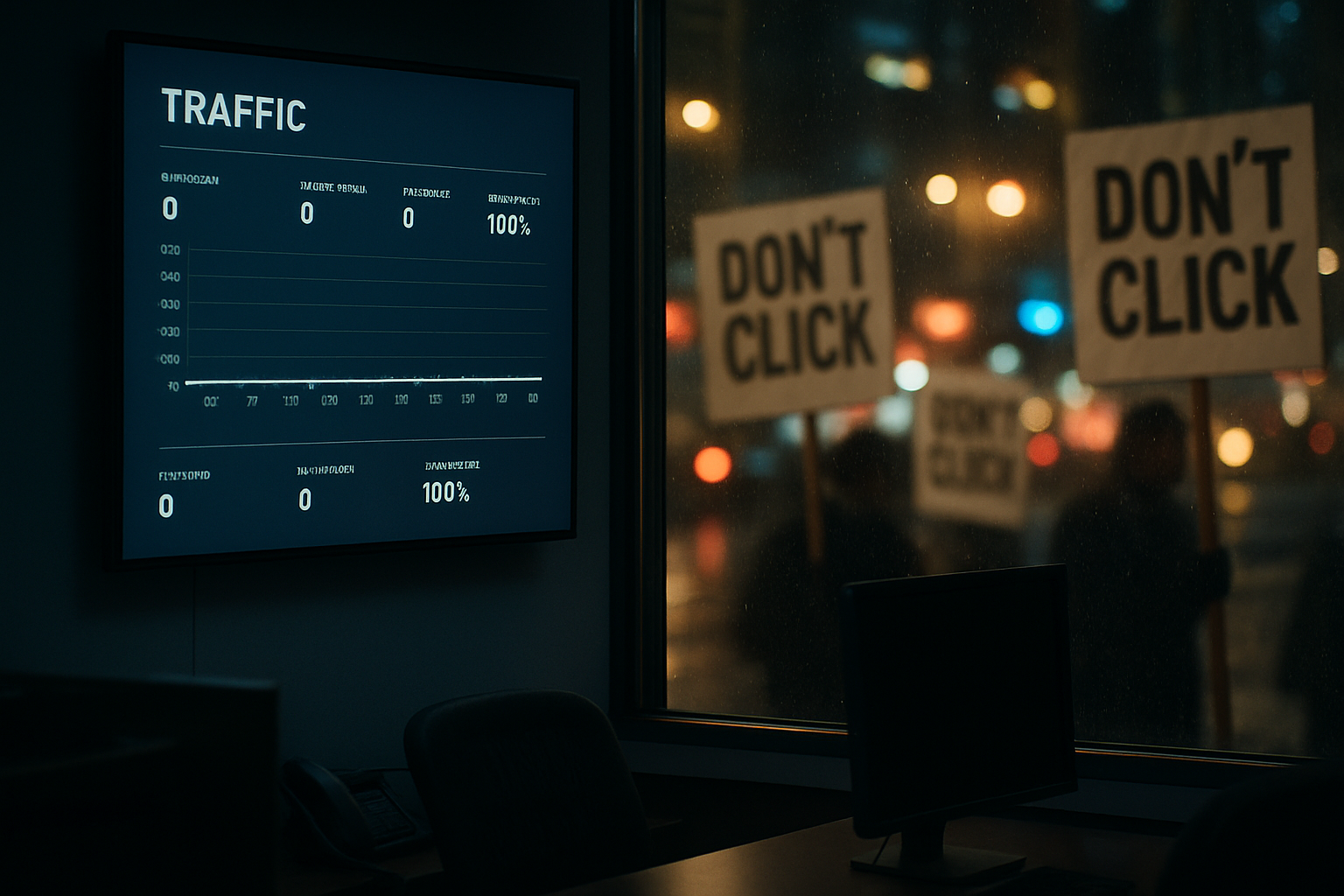
150 ProPublica staffers test AI guardrails with blackout
ProPublica’s one-day blackout turned readers into leverage, forcing a public test of whether AI guardrails belong in policy—or in a contract.
-
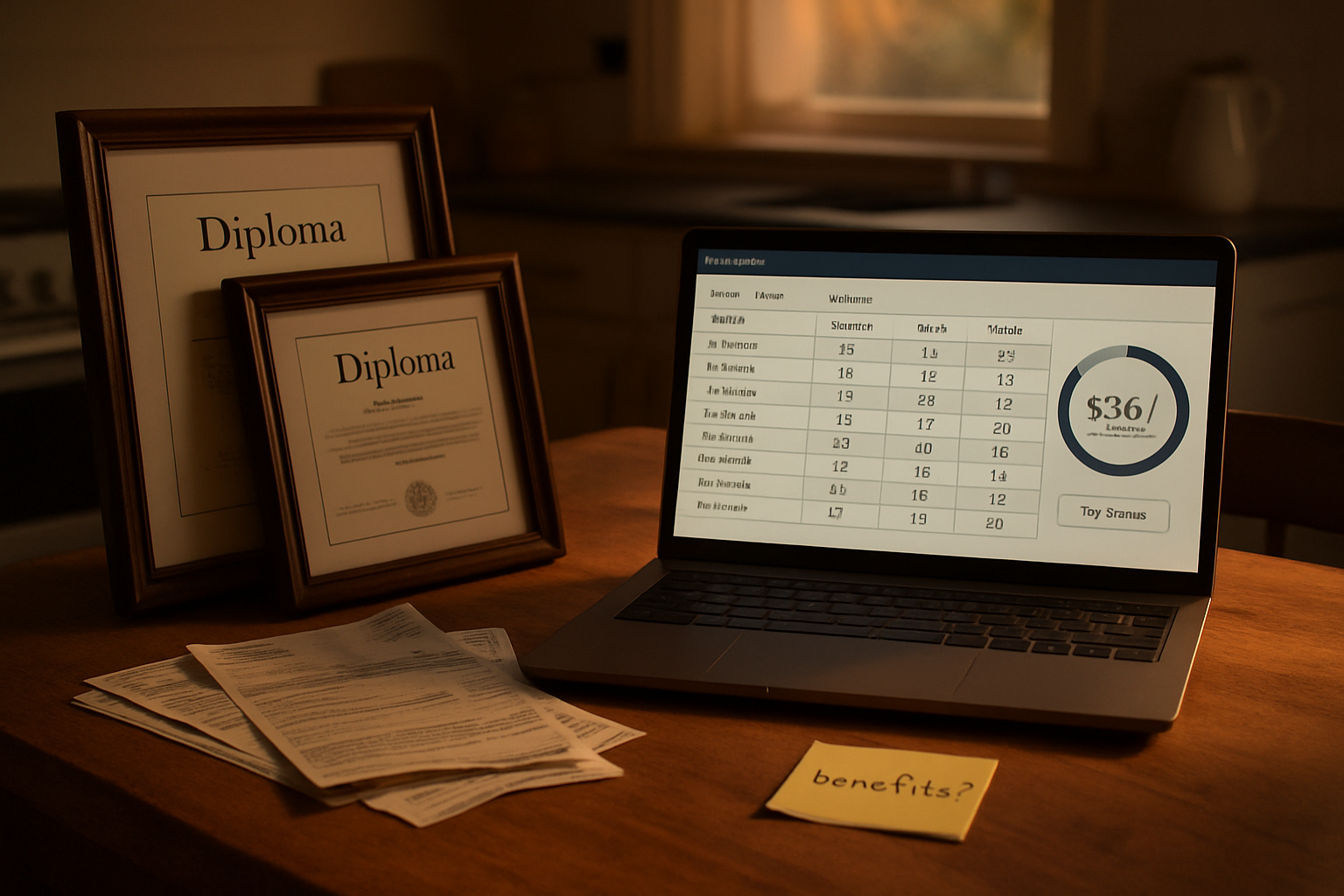
Over-50 experts training models for $26 an hour
Older professionals are being paid by the click to make AI safer and sharper—while their own careers are recast into unstable, benefit-light piecework.
-

Goldman Sachs finds AI cutting 16,000 jobs a month, mostly entry-level
Goldman’s new estimate says AI is quietly trimming 16,000 U.S. jobs a month, mostly from the first rungs of routine white‑collar work, reshaping who gets hired and how they learn.
-

CFOs translate Dimon’s 3.5 days into margin math
A single fraction just turned into a boardroom playbook: cut to capture AI gains now, pilot shorter weeks later, and let politics decide who keeps the paycheck.
-

Denmark’s chatbot rollout kept hours steady while tasks moved
AI is quietly rewiring tasks, boosting judgment-heavy bundles and organizational “glue,” while enabling credible one-person companies—so the near-term risk is thinner roles, not fewer jobs.
-
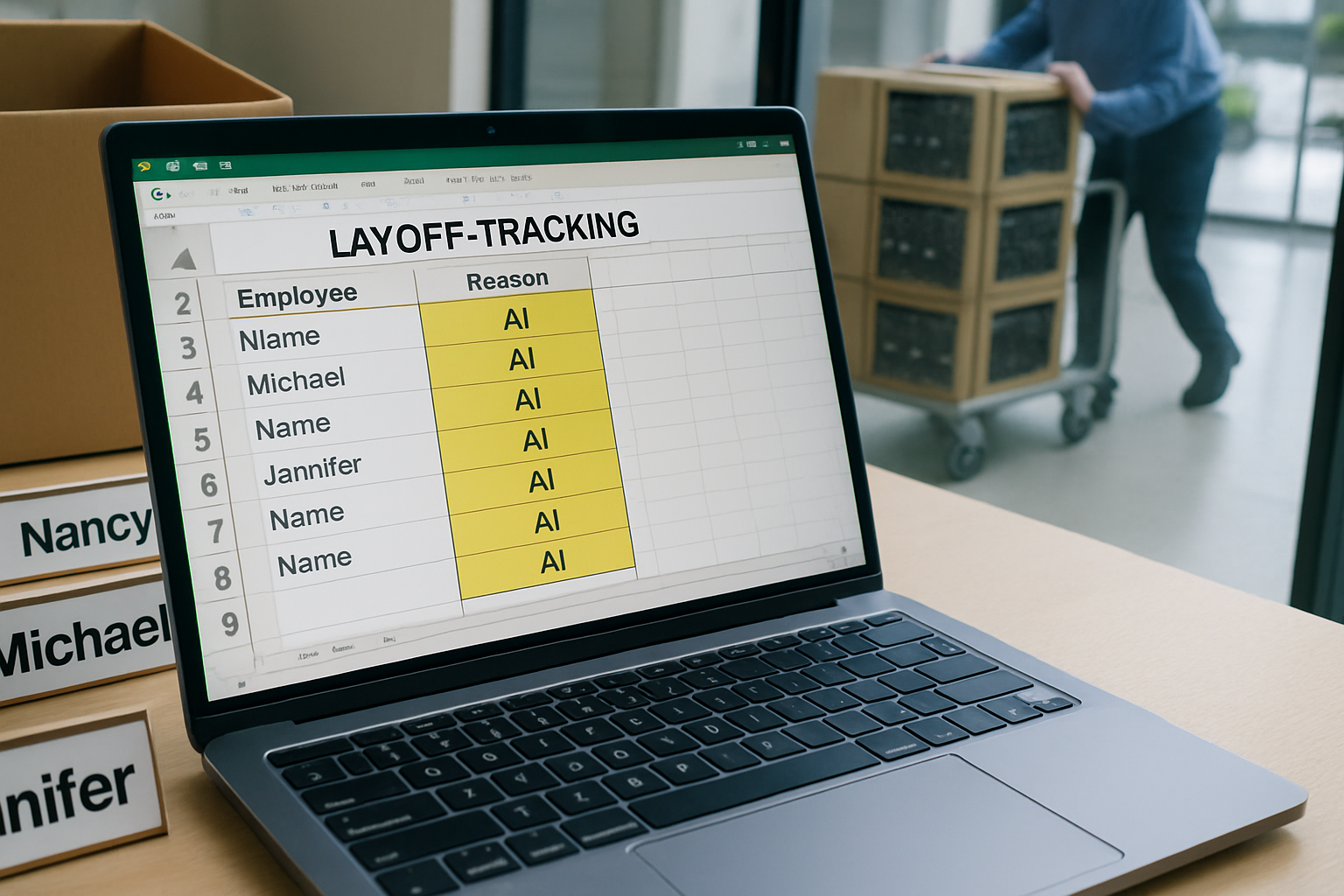
Challenger data shows 15,341 U.S. March cuts tied to AI
In March, one in four U.S. layoffs were pinned on AI—a new permission structure that’s shifting dollars from SG&A to cloud bills and turning pink slips into product roadmaps.
-

MIT CSAIL finds 65 percent of text tasks usable as is
The office tsunami never came—instead, the waterline crept up, and MIT just measured how high “good enough” has gotten.
-
1,000 registered voters say AI cuts jobs, not theirs
Americans expect AI to cut jobs in general but not their own—fueling a comfort-driven stall in upskilling that employers and policymakers are about to stumble over.