Reporting archive
Evidence on AI and work
-

CFOs expect 502,000 cuts, but agents steal your day
The next disruption isn’t pink slips—it’s agents setting your tempo, unless we rate‑limit the micromanager in the prompt box.
-

New York Fed prices AI training as non-degree workers miss out
The New York Fed just put a dollar sign on AI fluency—and showed who’s locked out.
-
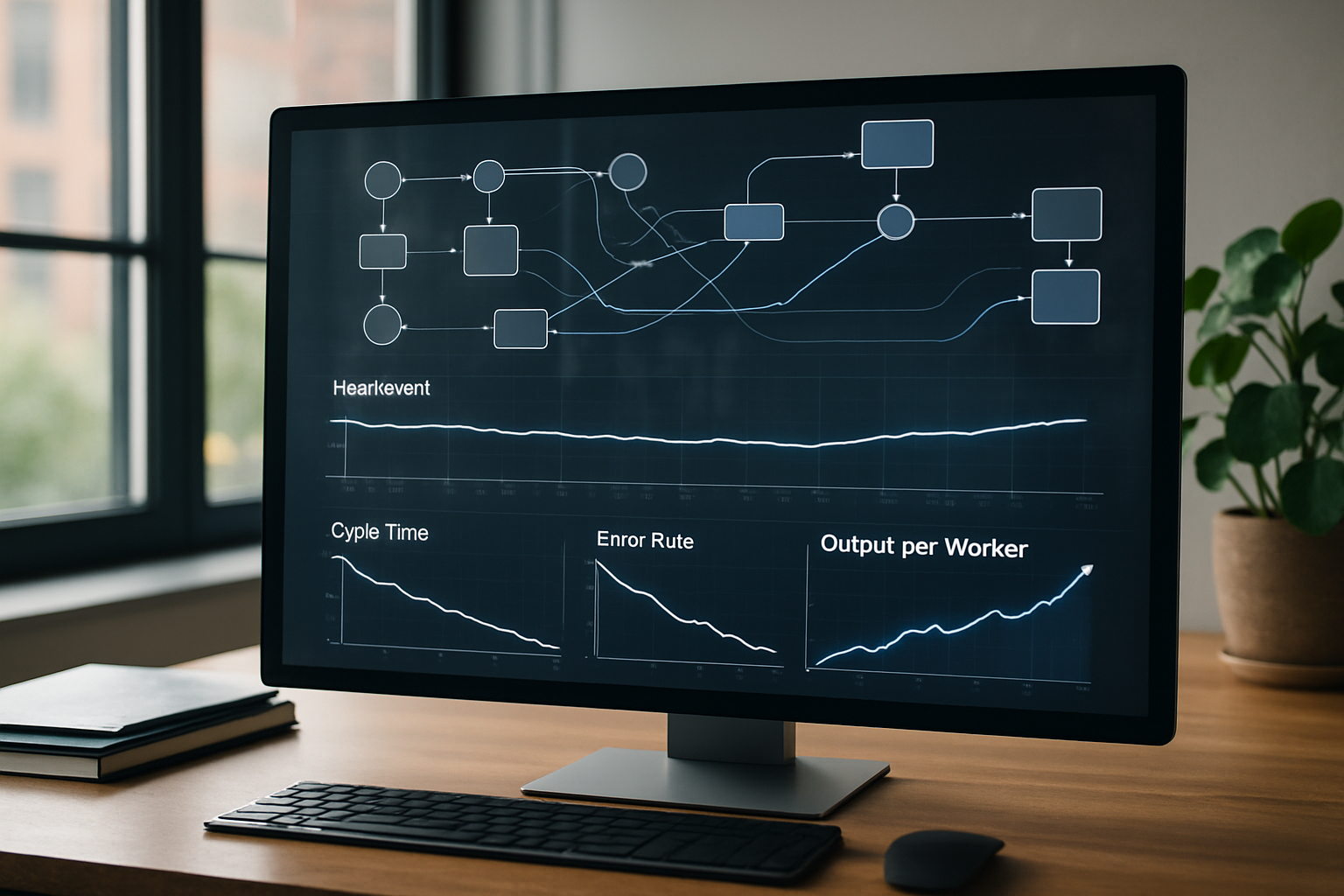
Morgan Stanley says AI rewrites tasks before payrolls
Morgan Stanley argues the first wave of AI won’t cut rows from the org chart—it will rewrite the formulas inside them.
-

Scale AI’s Jason Droege says firms are layoff-washing
Scale AI’s chief says the ‘AI layoff’ wave is more costume change than collapse, with reliability—not GPUs—deciding what truly gets automated.
-
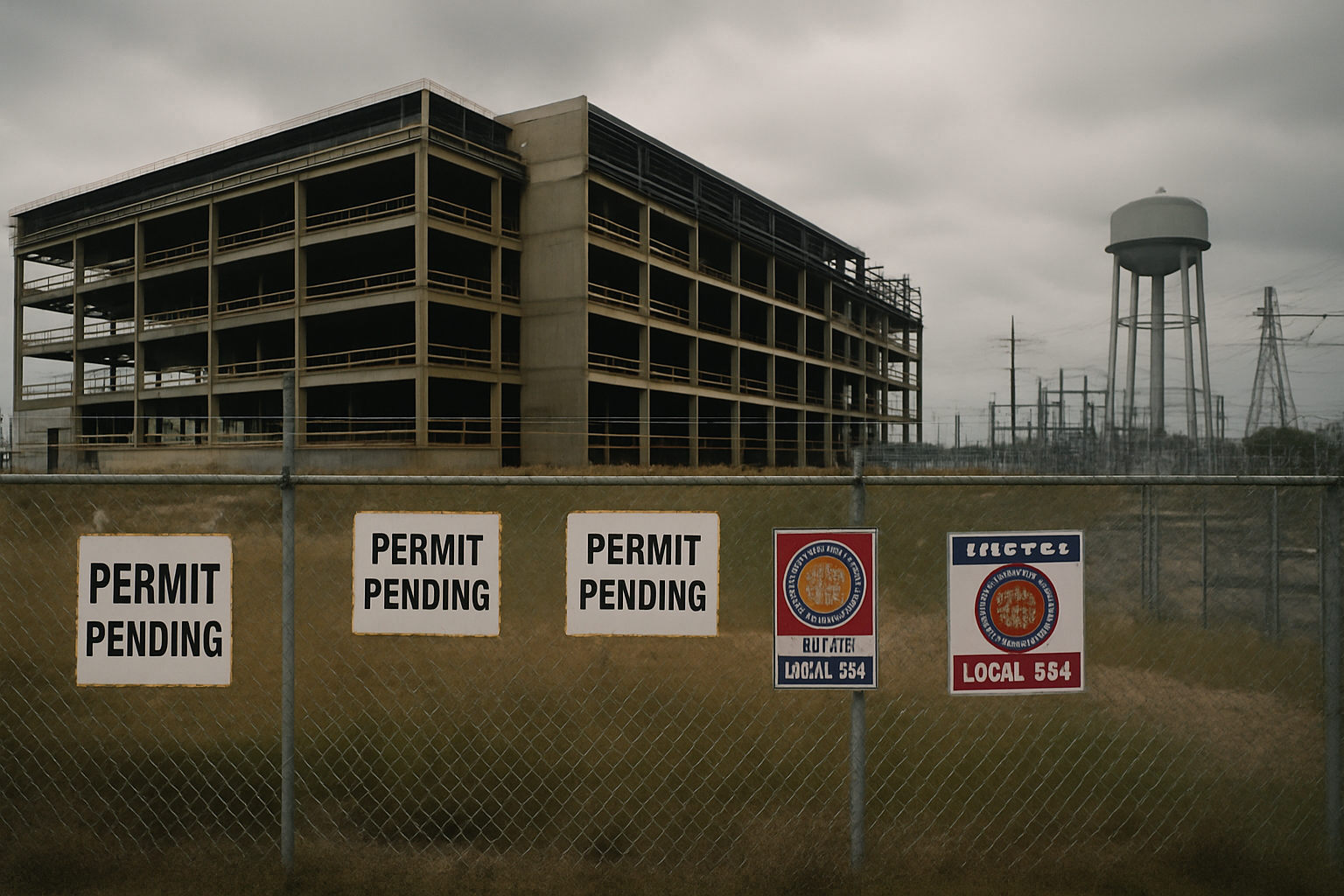
Unions move the AI fight to data center permits
Unions just grabbed AI by its infrastructure—permits, power, and robotaxis—and are forcing the surplus to flow through paychecks, not promises.
-
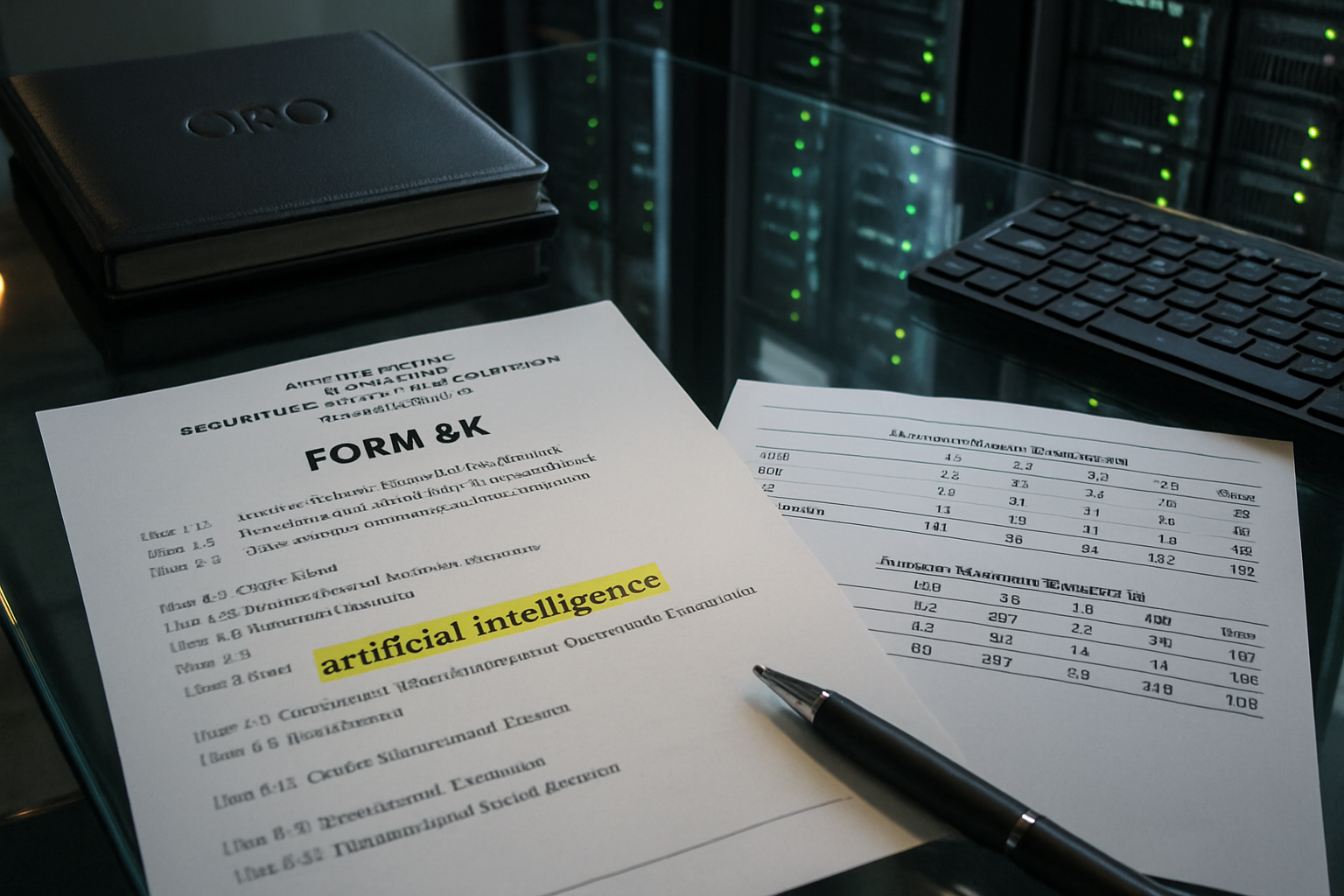
Snap’s 8-K makes AI a savings line item
Snap’s 8‑K said the quiet part out loud: AI is replacing seats, not just augmenting work—and Wall Street rewarded the math.
-
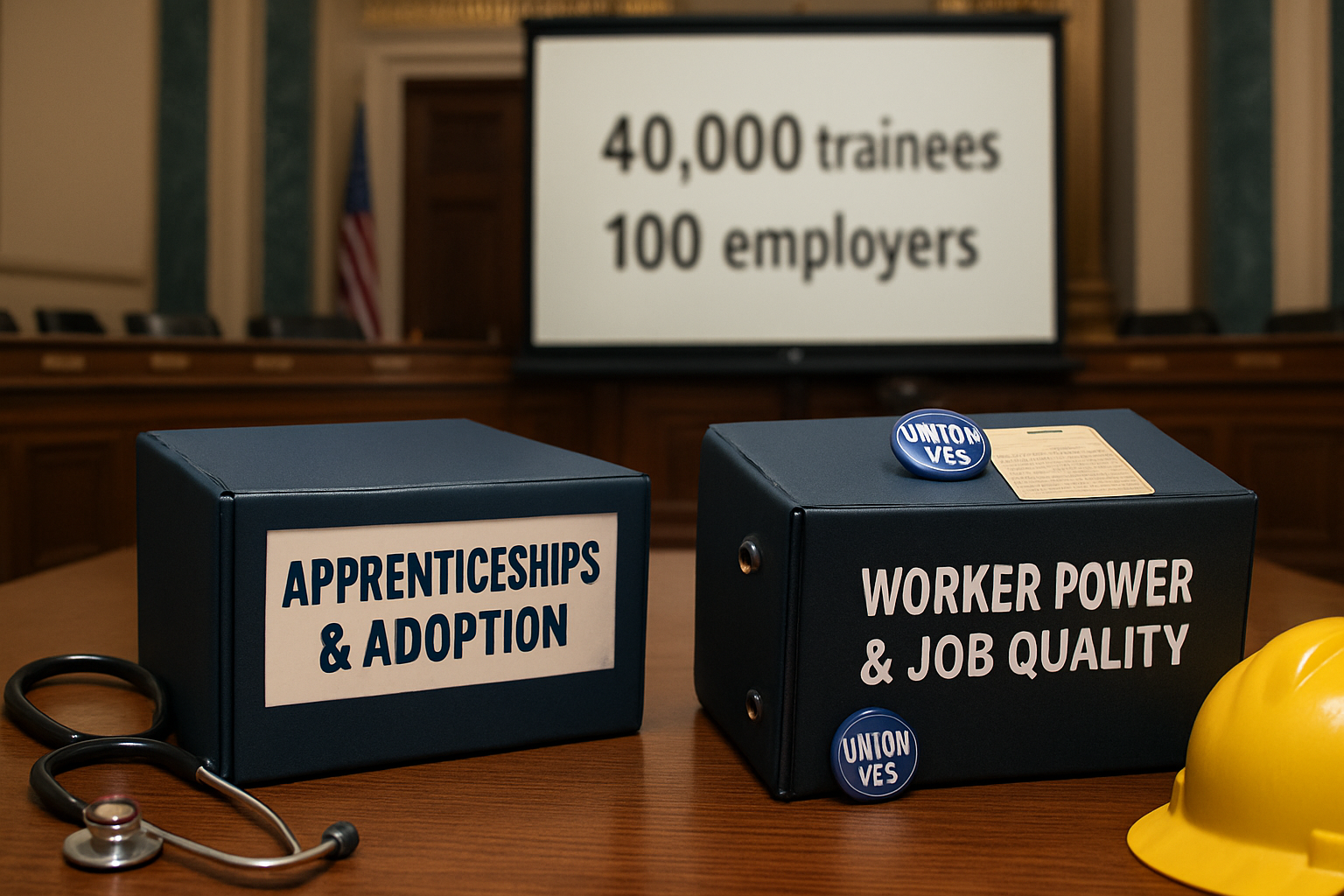
Google’s 40,000 trainees meet AFL-CIO’s power test
Google arrived in DC with pilots, apprenticeships, and a scoreboard for AI at work—labor countered with a simpler metric: who gets to decide.
-

Stanford’s 2026 AI Index maps throughput surge, entry roles shrink
Stanford’s 2026 AI Index shows output surging while the first rungs of white‑collar work quietly disappear, as models eat boilerplate and managers raise the bar for entry.
-

IMF chief warns apprenticeships are collapsing as AI automates novice tasks
The IMF’s chief shifted the AI debate from job counts to career architecture, warning that AI is erasing the practice work that once built the middle and urging us to engineer new rungs now.
-

Palantir’s Karp says BA signals fade, technicians rise
Karp’s wager is brutal and specific: scrap the BA filter, hire the hands that can fix things—with AI as their exoskeleton.