Reporting archive
Evidence on AI and work
-

Andrew Bailey makes AI skilling a macro policy lever
A central banker just turned ‘AI training’ into forward guidance, arguing that shrinking entry routes and rising AI task loads demand urgent, operational skilling as the economy’s pressure valve.
-

India’s unseen hiring freeze as offer letters vanish
The shock isn’t layoffs but the entry-level offers that never print—and a two-track plan aims to reopen the on-ramp via AI fluency and upgraded human-centric work.
-

Claude starts closing books at Goldman, humans manage exceptions
Goldman is moving Claude from helper to doer in reconciliations and KYC, and if exceptions don’t rise, the rungs of Wall Street’s apprenticeship start to disappear.
-

January’s 108,435 cuts, 7 percent tagged AI
January’s ledger put AI-linked layoffs at 7% and exposed how much of the rest is de-layering and market-friendly storytelling, not robots at the gate.
-

IBM’s Krishna turns half into a call center blueprint
IBM’s Arvind Krishna just turned “half” into a blueprint: automate the repeatable, prove it with audit trails and KPIs, and steer humans toward exceptions and relationship repair.
-

Bengio’s 2026 safety report shows juniors squeezed, seniors hold steady
A sober safety report reframes the jobs story: stable headcounts masking vanishing entry roles—and a potential snap-accelerant when dependable agents start running the handoffs.
-
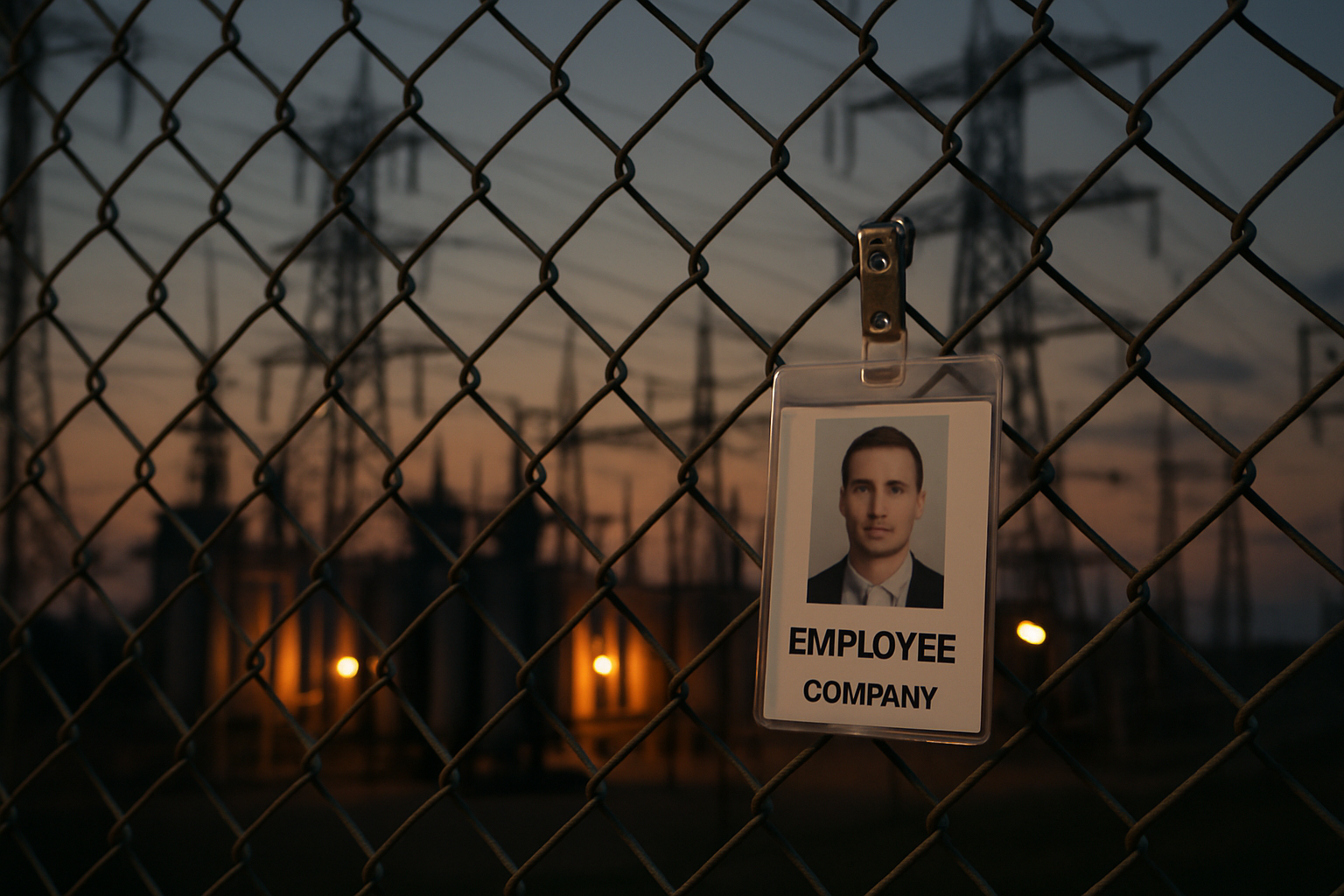
Oracle weighs 30,000 layoffs to unlock $8–$10 billion for AI buildout
Oracle’s AI push is turning payroll into power lines, using layoffs and asset sales to finance gigawatts and GPUs.
-
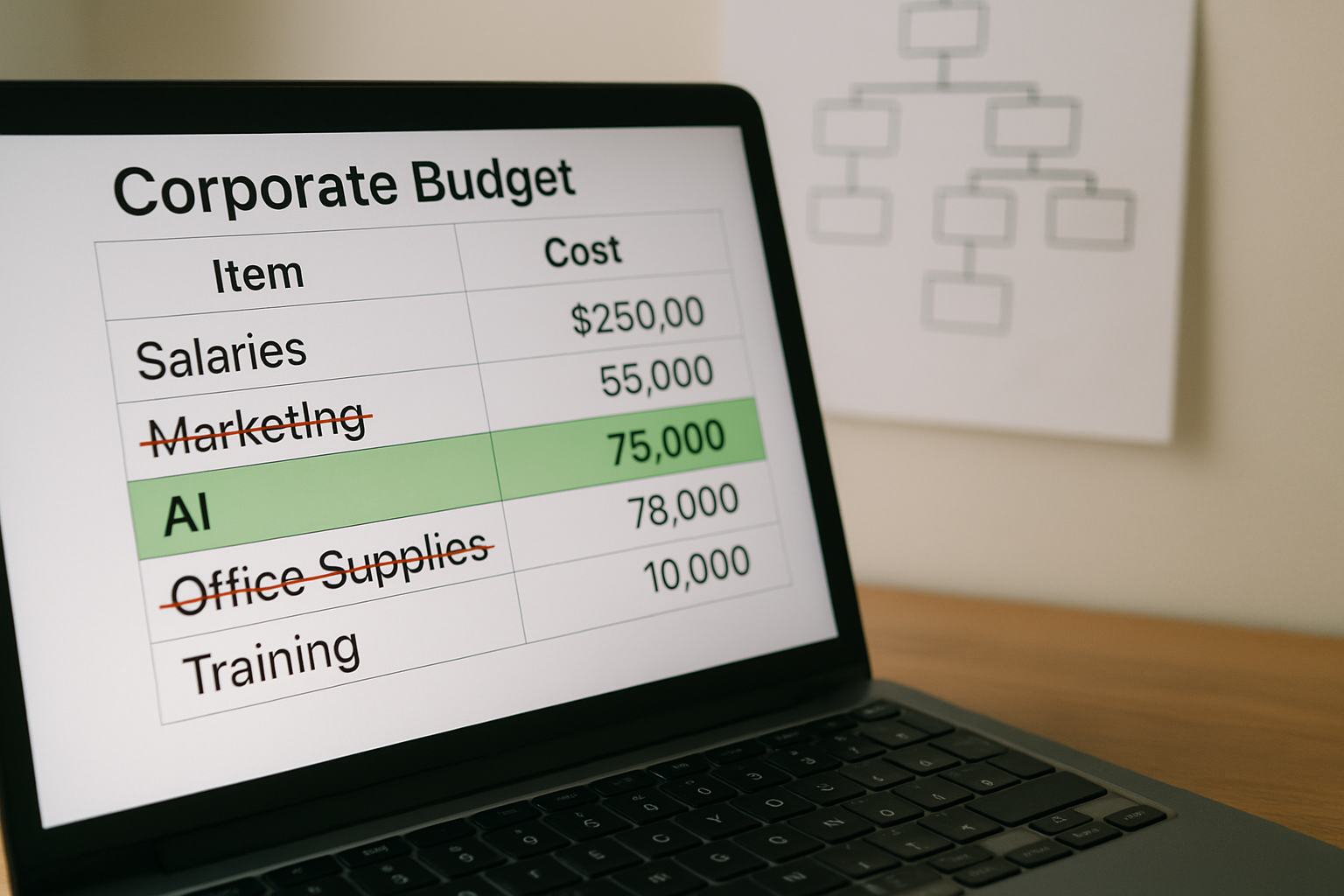
AP survey finds AI a layoff alibi, not automation
AP’s audit of “because of AI” layoffs finds more investor theater than automation—and shows what real AI-driven cuts would actually look like.
-

Early-career engineers face 24.4 week searches as teams flatten
The AI boom is trading rungs for margins—flattened orgs, fewer entry paths, and a job market where résumés fight models instead of showcasing skill.
-

Dow targets $2B uplift with AI and 4,500 fewer roles
A 126-year-old industrial bellwether just made AI the lever, not the backdrop, and 4,500 roles are the counterweight.