Reporting archive
Evidence on AI and work
-

London Business School’s Abramova sets five-to-ten-year AI labor timeline
This weekend’s “historic labor shock” warning isn’t about inevitability—it’s about whether we can slow AI’s velocity enough to keep the first rungs of white-collar careers from disappearing.
-

Andrew Bailey warns AI is erasing the first rung
When a central banker starts talking internships, it’s because AI just wiped out the first rung of white‑collar work—and the policy bill is coming due.
-

Equity’s 99.6% scan refusal hits UK shoots
UK performers just turned the on‑set scanner into labor’s leverage—and studios will feel it on day one of shooting.
-

AI-exposed roles saw 3.8% pay, 1.7% job growth
The jobs most exposed to AI just posted bigger paychecks and more headcount—because when tasks get cheaper, we do more of them.
-

Aurora’s five‑year driverless bet hinges on Washington preemption
Aurora says the safest truck may be the one without a driver—and is betting Washington will let the empty seat do the math.
-
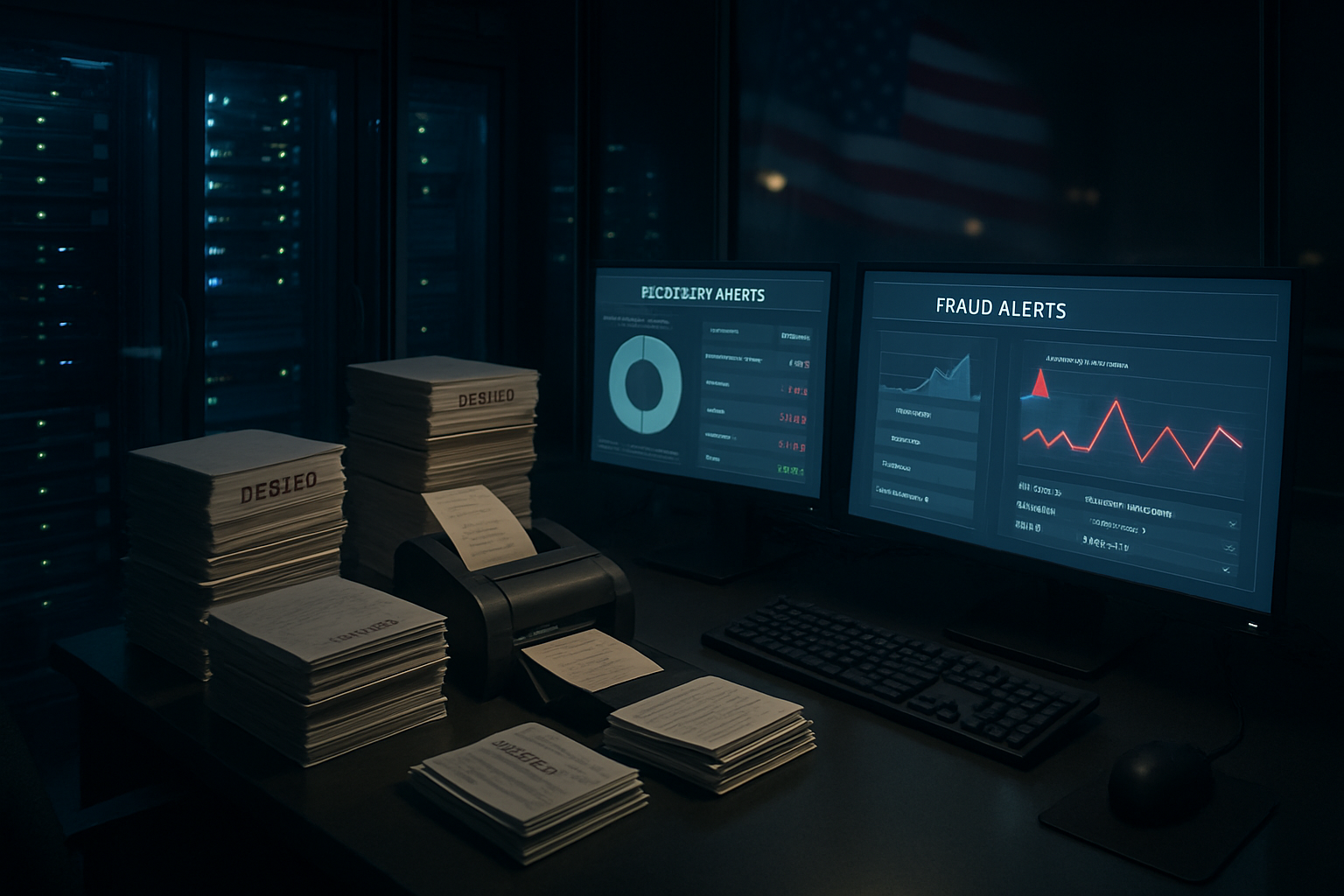
United States Tech Force opens 1,000 two‑year AI roles
Washington just turned AI hiring into policy—a 1,000‑role, two‑year federal tour that could reset where ambitious engineers start and what industry values.
-
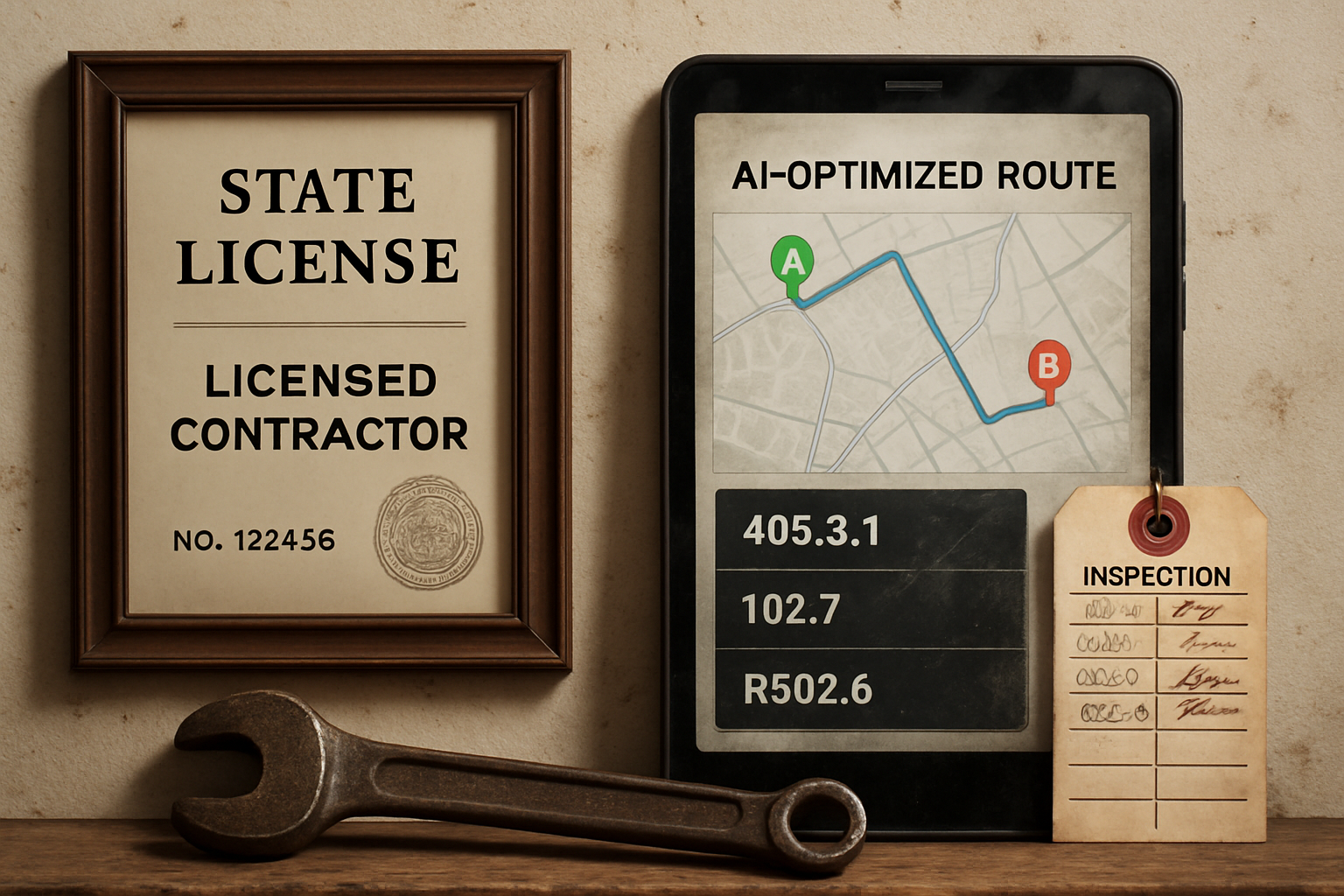
Permits, liability, and the moat LLMs can’t cross
As models devour desk work, the safest way to stay indispensable is to hold permission—get a state license and let AI handle everything around the edges.
-

120,000 tech layoffs bankroll GPUs and cloud capacity
2025’s tech cuts weren’t austerity—they rewired org charts into pipelines, thinning the middle and pouring budget into GPUs, cloud, and security.
-

Washington’s AI rollback picks substitution as workers lose the ladder
AI’s big week wasn’t a bubble story—it was the moment we optimized away entry‑level work while policy waved it through.
-
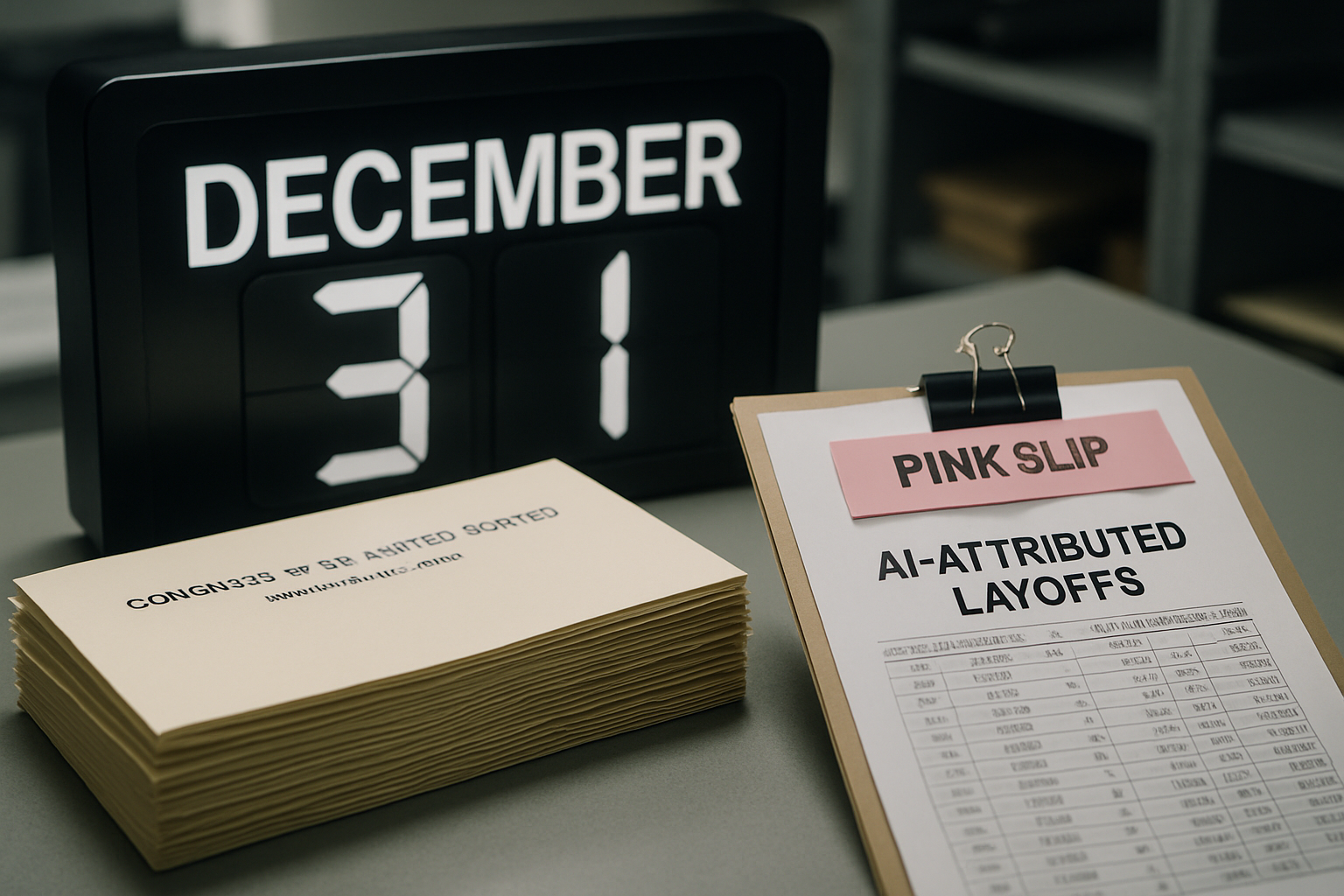
Congress wants receipts on AI layoffs by December 31
Congress just started the stopwatch on AI-attributed layoffs, demanding company-by-company receipts on who was cut, how, and why by year-end.