Reporting archive
Evidence on AI and work
-
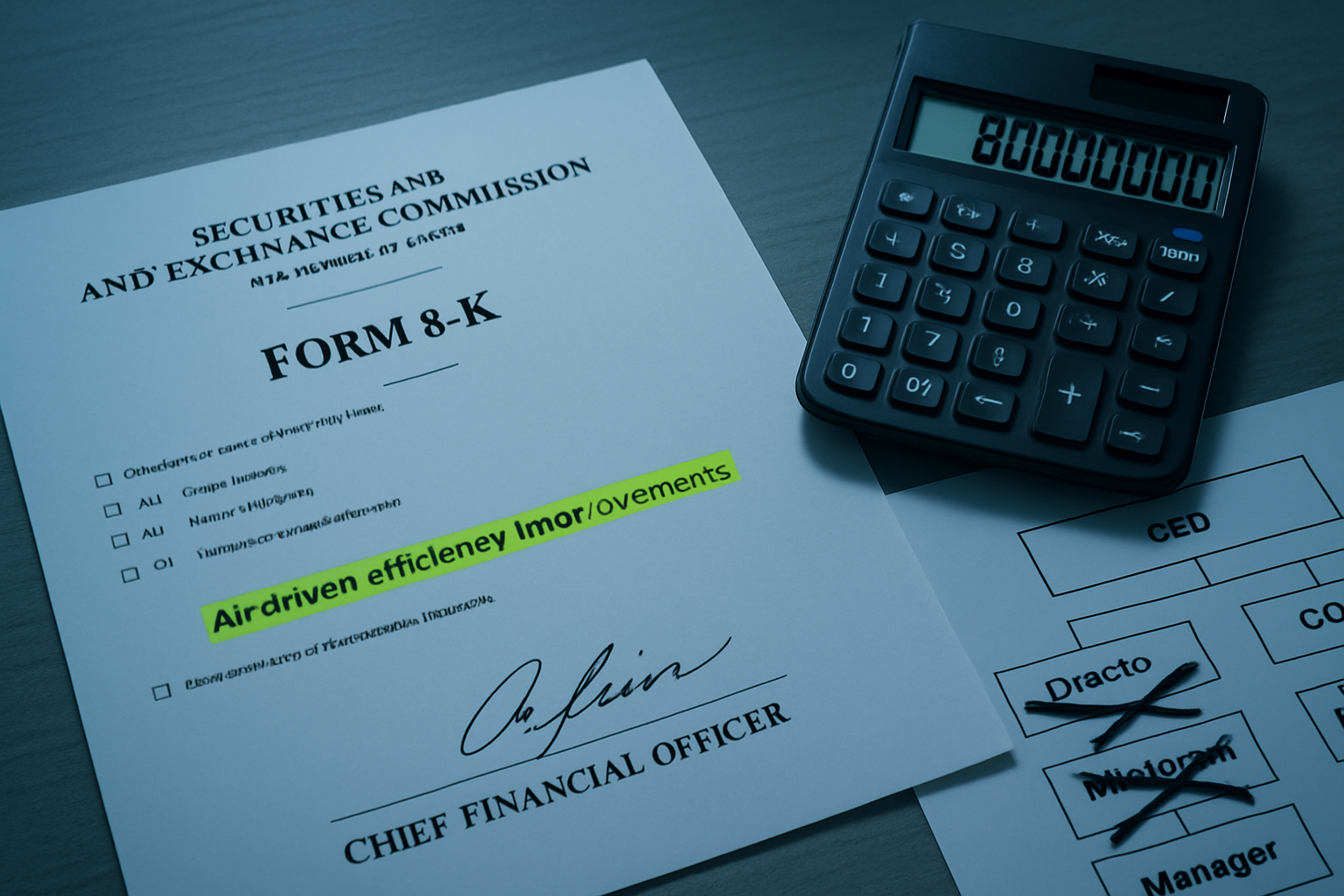
Angi’s 8-K ties 350 layoffs to AI, $70–80M savings
Angi just put “AI‑driven efficiency” into its 8‑K and 350 roles off its payroll, turning automation from a pilot into policy.
-
Cheap drafts, expensive judgment in the Claude Code workplace
AI is boosting throughput while hollowing out the feeling of mastery—unless leaders rewrite roles, metrics, and status.
-
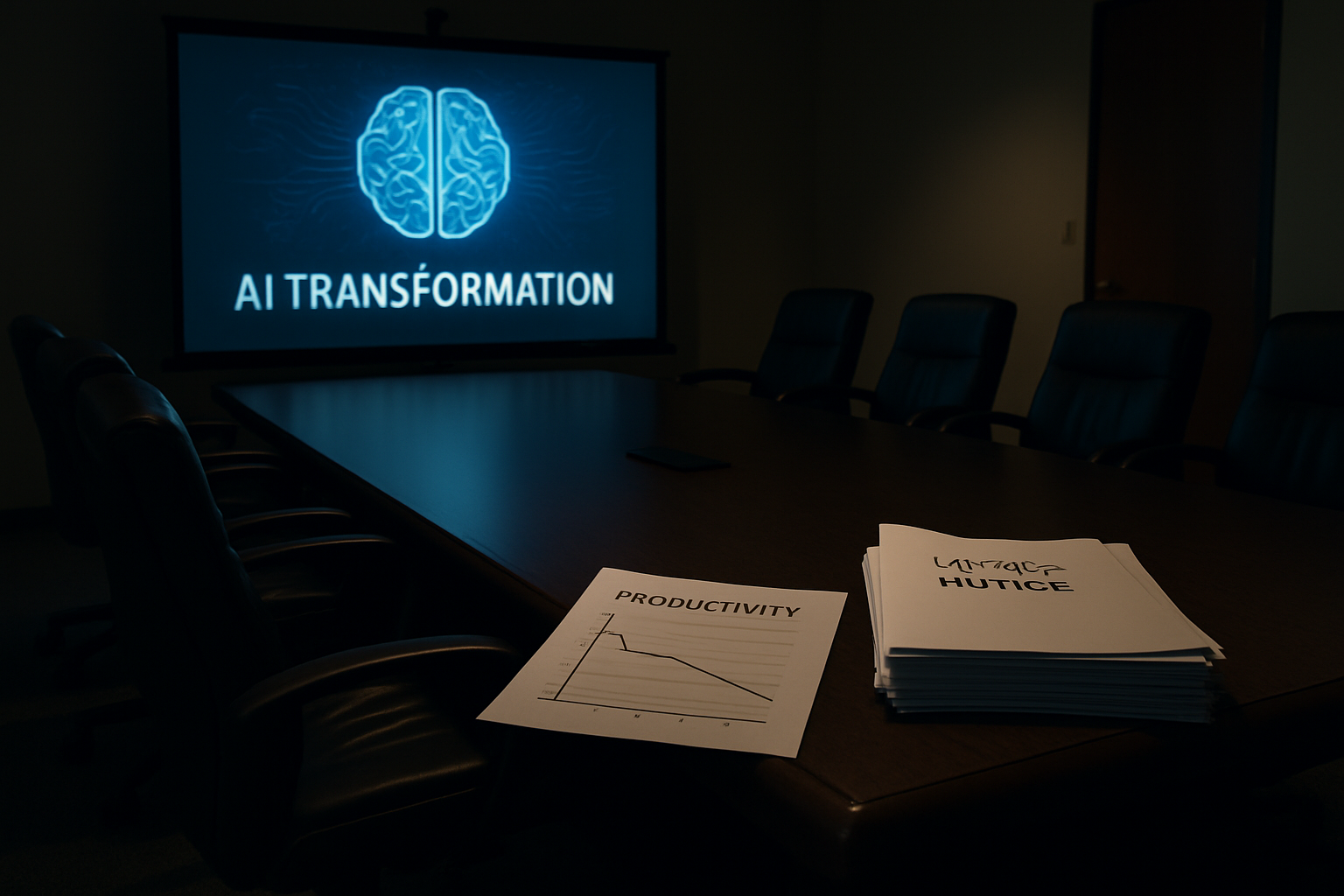
55,000 AI layoffs, 245,000 ordinary cuts, productivity still flat
If AI is really driving the layoffs, where’s the productivity spike—and why do the announcements read like cover for mundane belt‑tightening?
-

Financial Times letter warns productivity rises while paychecks vanish
What if AI nails the supply side but severs the paycheck pipeline that makes growth real?
-

The 22% disruption tempo behind every hiring plan
WEF’s net job gains hide a harsher truth: the entry ramp is narrowing, signals are inflating, and the only number that matters now is the conversion rate from roles created to roles filled.
-
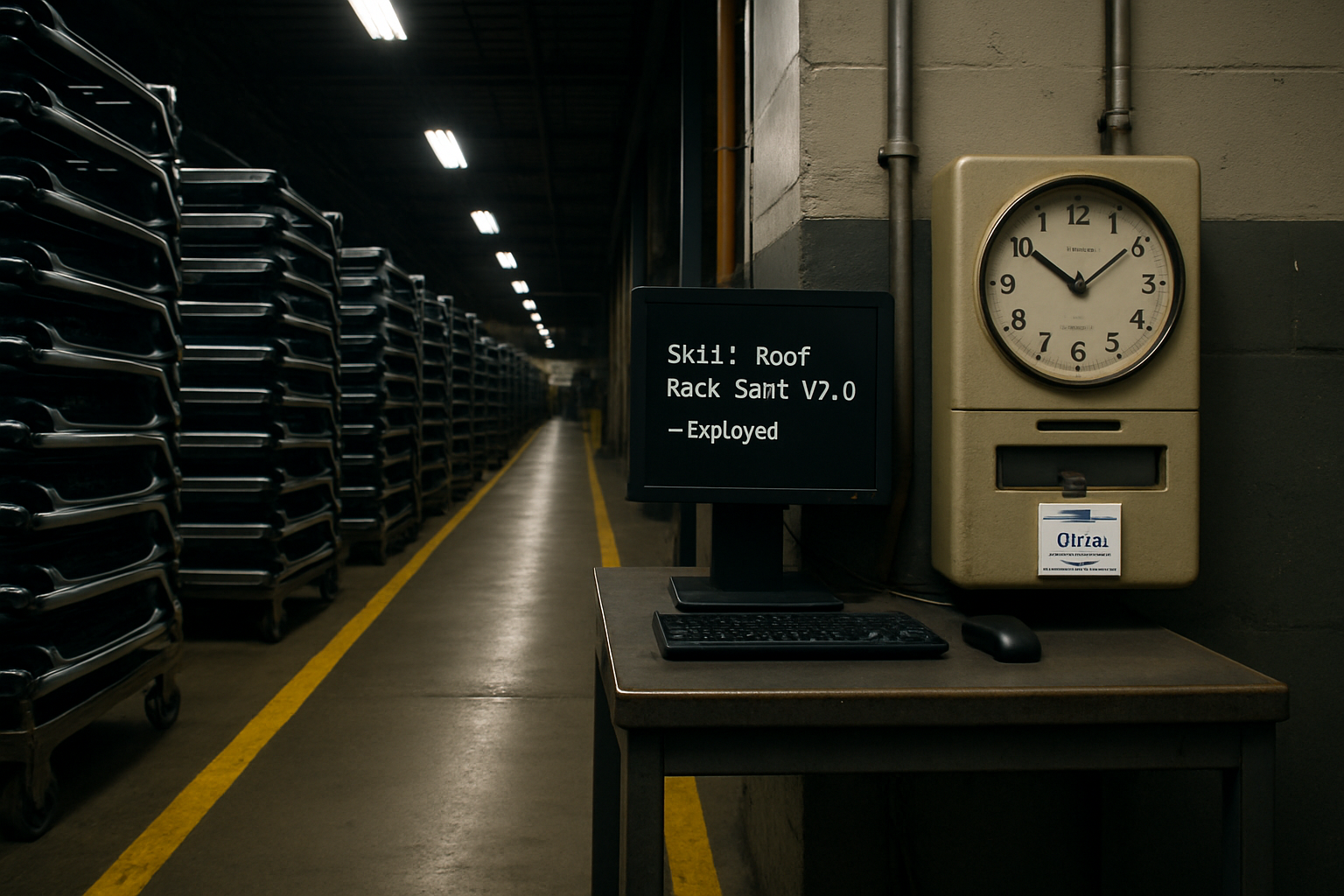
Atlas clocks in at Hyundai, sorting roof racks
Atlas just graduated from party tricks to plant duty, turning an upload into a shift and forcing factories to rewrite the org chart.
-

Goldman says AI layoff announcements now cut stocks by 2%
Investors have stopped rewarding “AI layoffs,” so the real reset will arrive as missing job postings, unfilled roles, and headcount that drifts down without a headline.
-

Morgan Stanley pegs 200,000 jobs cut in European banks by 2030
Morgan Stanley just turned AI talk into a headcount—200,000 by 2030—and the real risk isn’t the cuts, it’s ripping out the apprenticeship that kept banks competent.
-
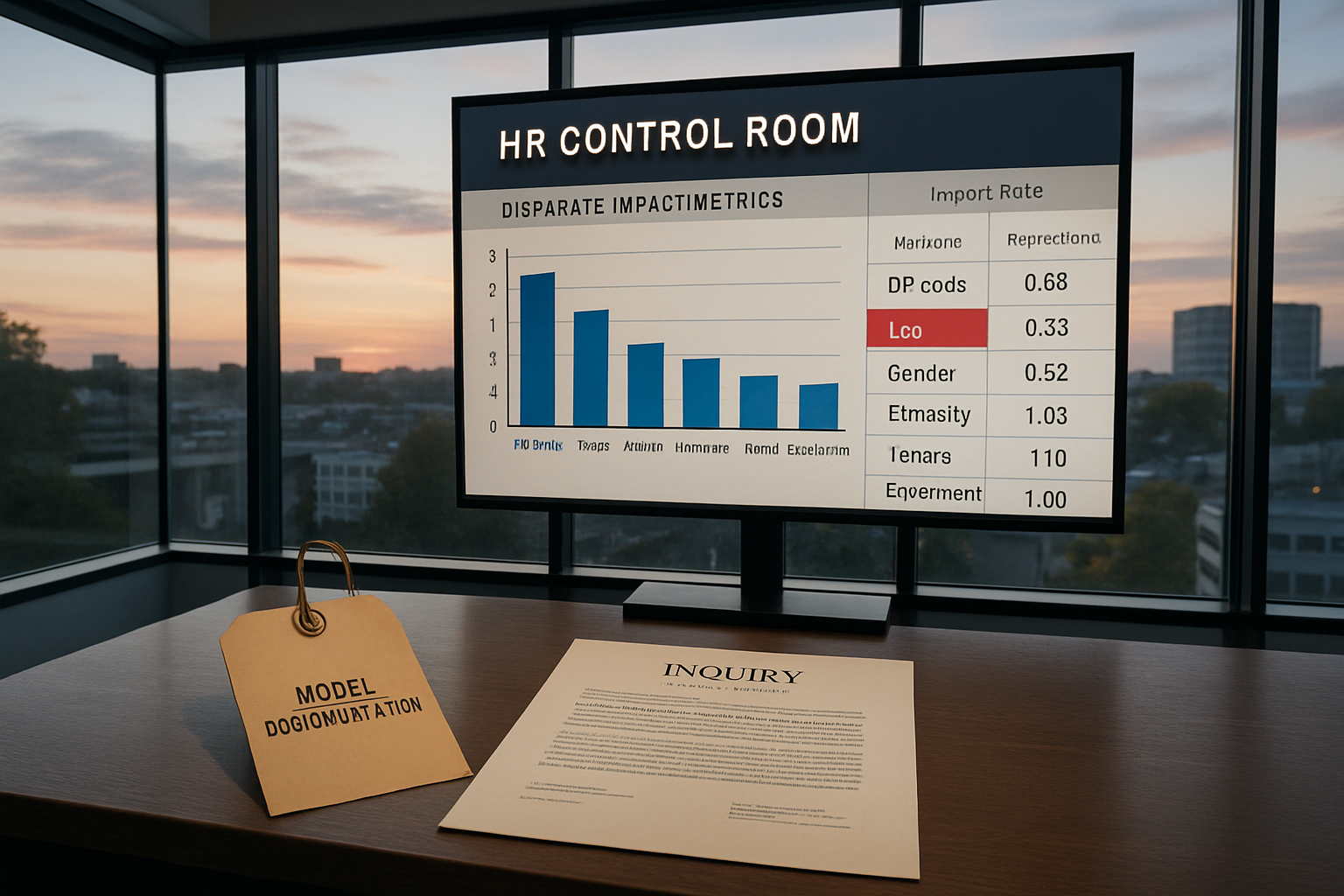
Illinois makes hiring AI outcomes liable as Texas polices intent
On day one of 2026, Illinois made outcomes a liability and Texas put an investigator in your workflow, turning bias audits into survival tools and ZIP codes into hazards.
-
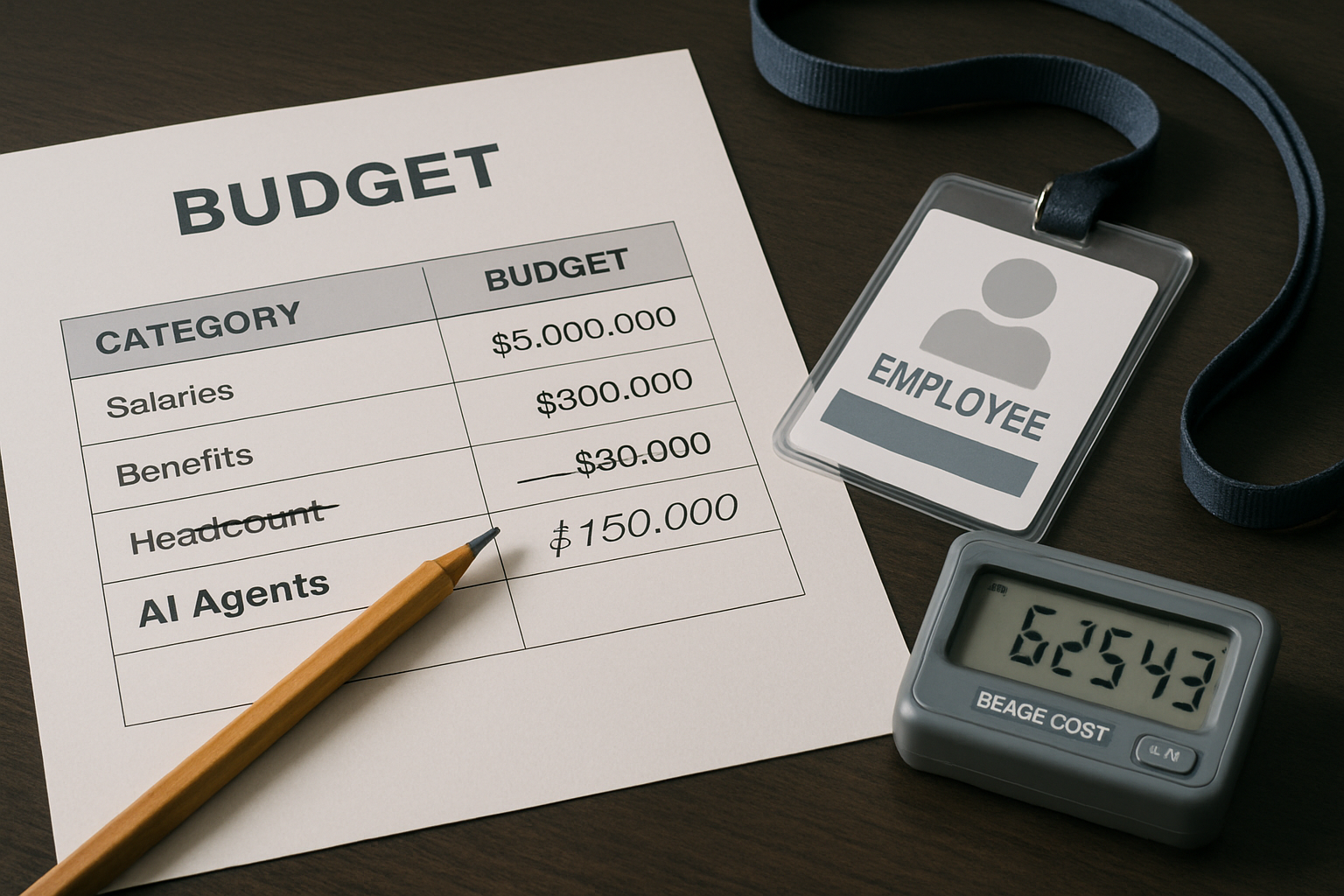
In 2026, CFOs put headcount on a meter
Follow the budget, not the demos: 2026 is when enterprises swap hiring dollars for auditable AI agents—and even the layoffs will say “AI” whether or not the math does.