Reporting archive
Evidence on AI and work
-

Seventeen thousand media layoffs make AI-first a payroll strategy
Seventeen thousand wasn’t just a number—it was the moment “AI-first” became the staffing model, turning junior work into utilities and rewiring the rest around machine speed.
-
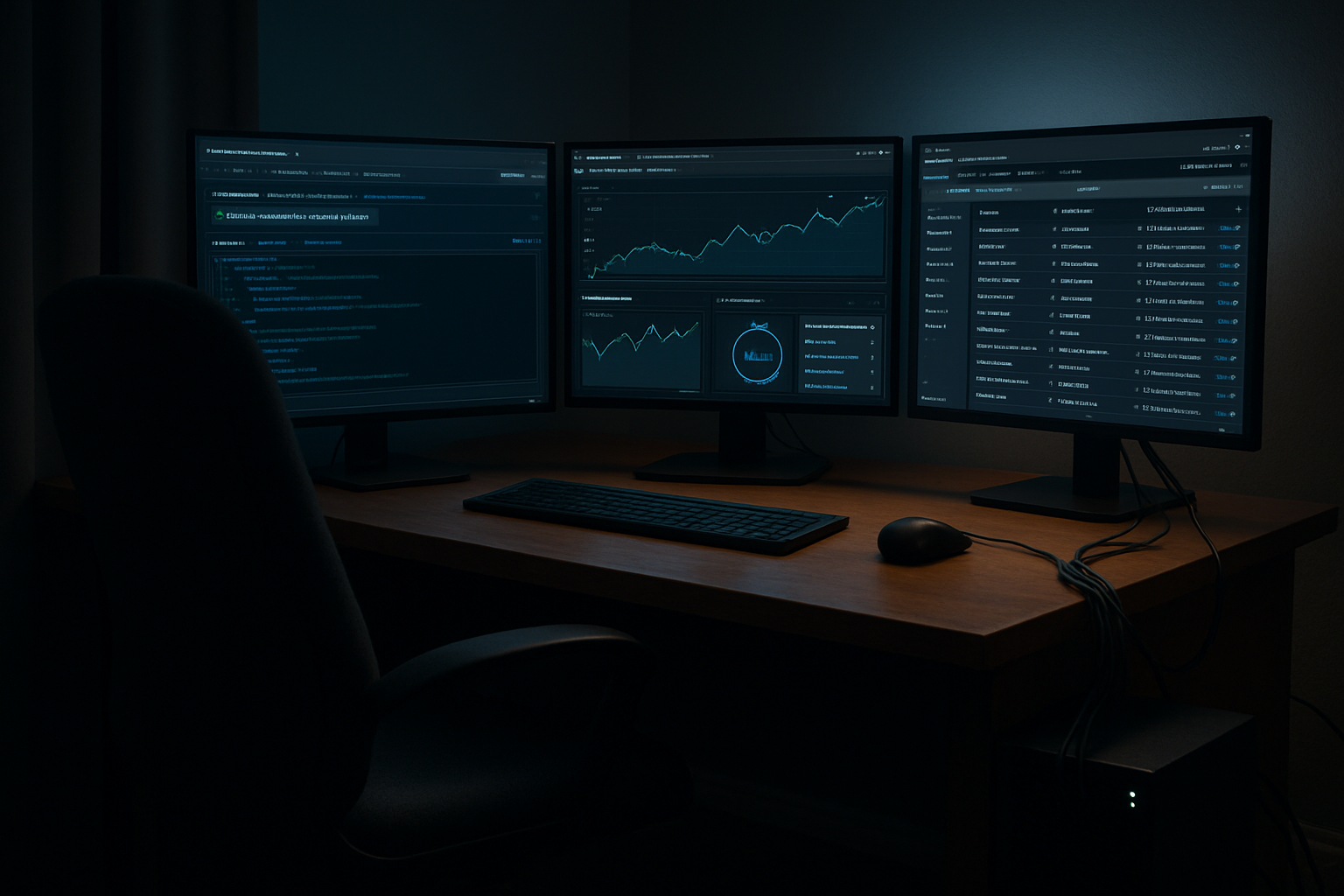
From 100 engineers to 20 as remote workflows automate
Remote made work scalable—and legible enough for AI to take the keyboard first.
-

Two-thirds of CEOs choose cloud credits over new hires
The biggest labor shock of 2026 won’t be layoffs—it’ll be the openings that never appear as AI quietly absorbs the marginal work.
-

Vanguard data shows AI‑exposed real wages up 3.8%
Vanguard’s ledger flips the script: AI‑exposed office roles are growing faster and getting paid more as models strip out boilerplate and push humans into higher‑leverage work.
-

Goldman’s 2.5% job loss collides with Social Security’s 2033 depletion
AI’s hit isn’t the headline layoffs—it’s the sudden thinning of the payroll-tax hose as Social Security’s depletion clock ticks.
-

Saving 30 percent while erasing the entry-level on-ramp
2025 didn’t deliver an AI jobs apocalypse—it quietly erased the first rungs of careers, pushing hiring toward AI‑literate talent and forcing leaders to choose between cost cuts and capability.
-

Databricks and Glean make supervision the default for agents
Two AI heavyweights quietly reset expectations: agents won’t run unattended—near-term wins are boring, supervised, and built on foundation models.
-
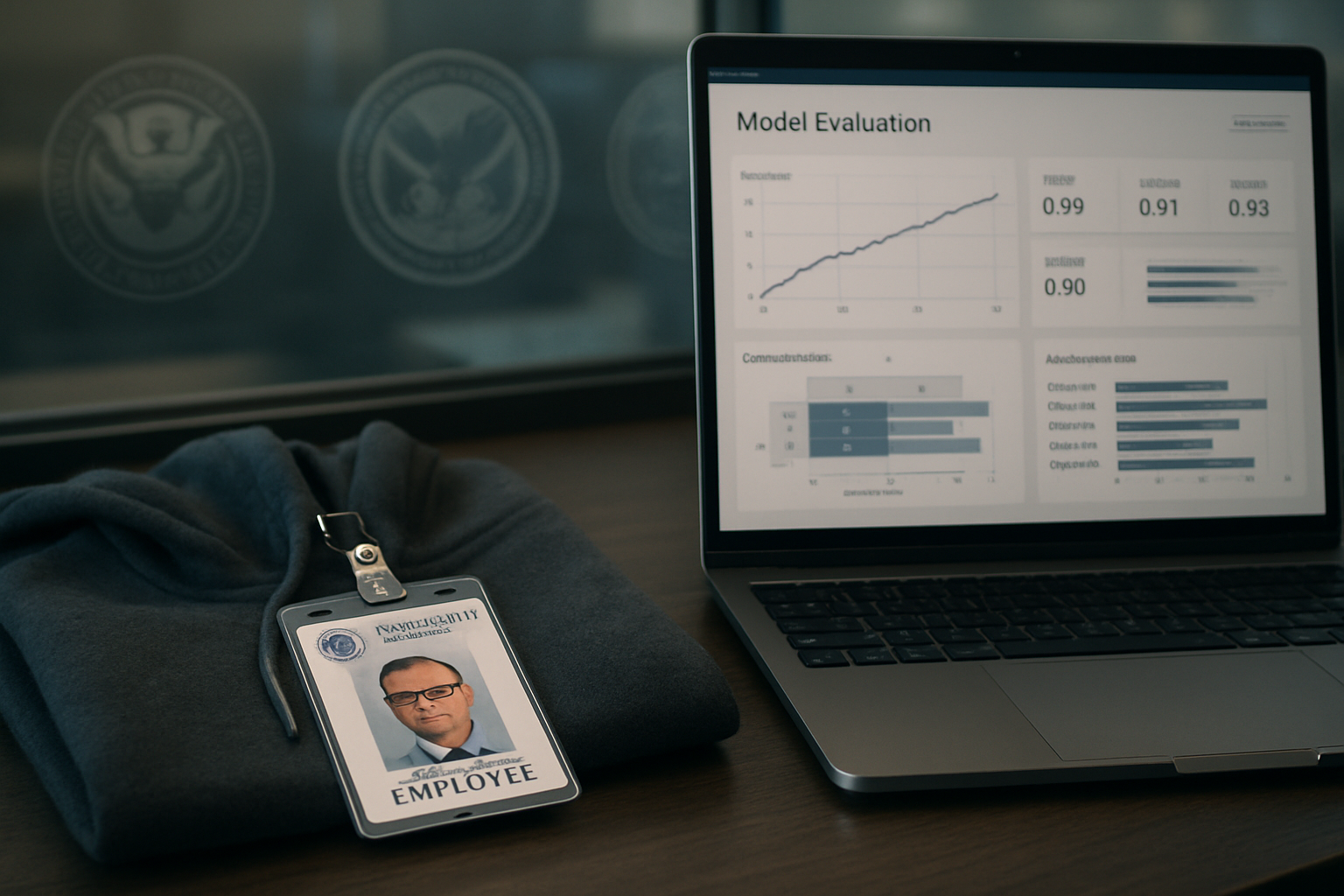
Tech Force draws 25,000 engineers for 1,000 AI tours
25,000 engineers (for 1,000 slots) just signaled that the next AI standards may be authored inside agencies, not vendor decks.
-
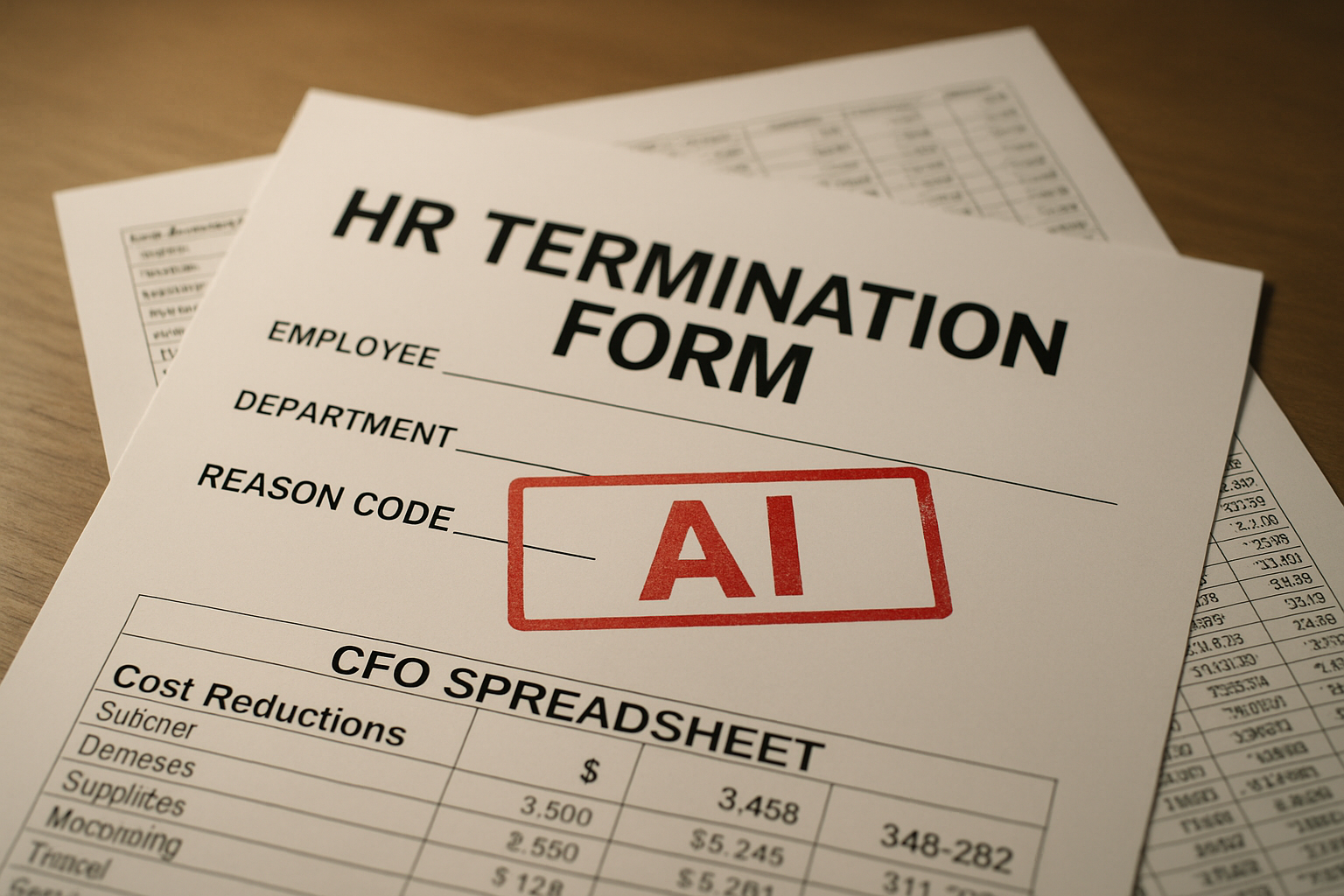
AI becomes a layoff reason code for 55,000 cuts
“AI” just got its own checkbox in the layoff ledger—about 55,000 planned cuts—and that small box rewrites hiring, training, and how companies explain work.
-
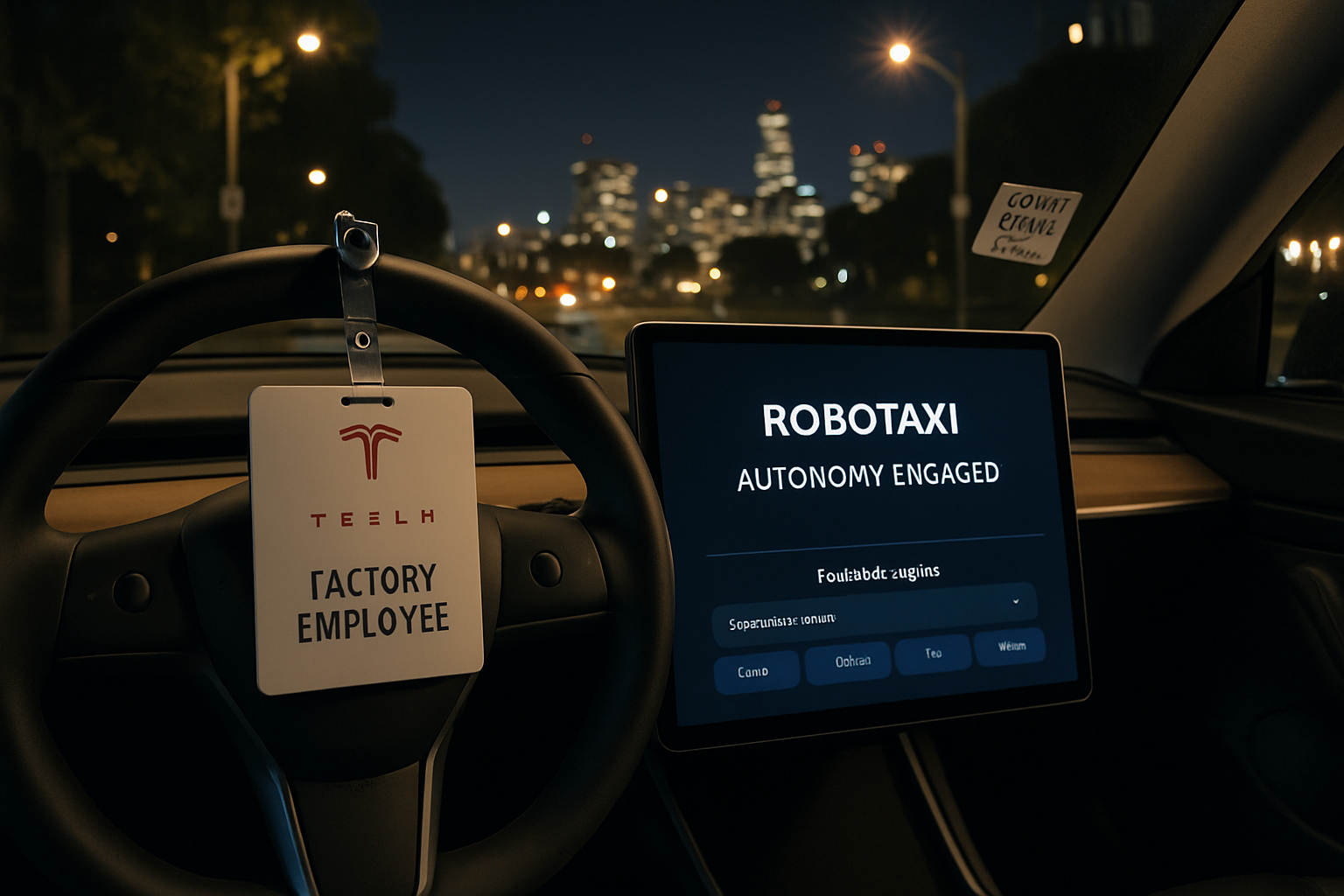
Factory badges now unlock seats in Tesla robotaxis
For $25–$30 an hour, Tesla is turning factory and sales staff into in-car AI operators to widen Robotaxi coverage and convert every ride into training data under human-in-the-loop rules.